HomeView Touts These 5 Privacy Features
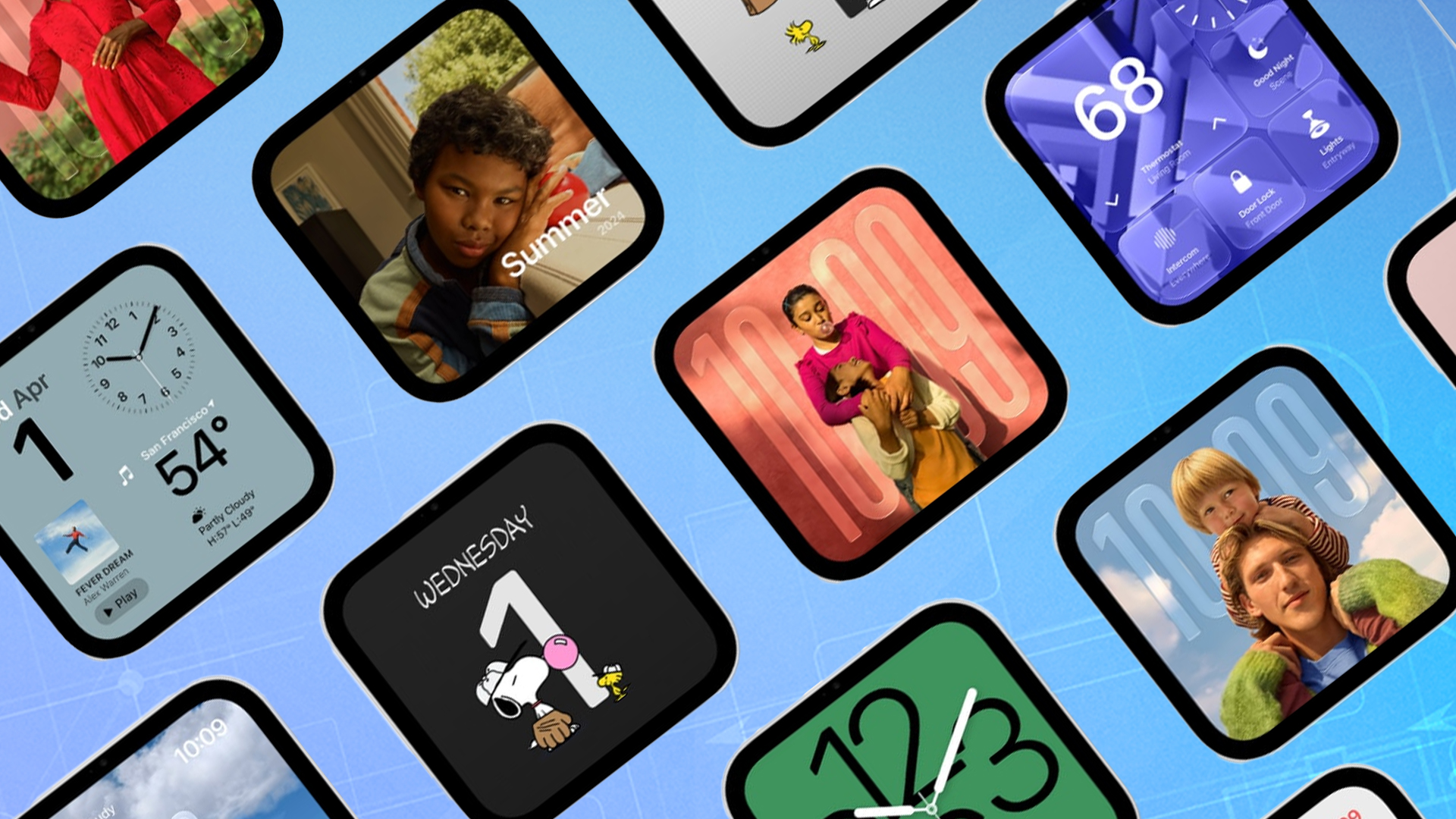
Apple uses a number of methods to keep HomeView users' personal information private, even when a whole household shares the device. The device recognizes up to six people, giving each their own Home Screen with personalized apps and widgets. Apple says personal content stays private to each user, while shared photo albums and music can remain available to everyone in the household, including…
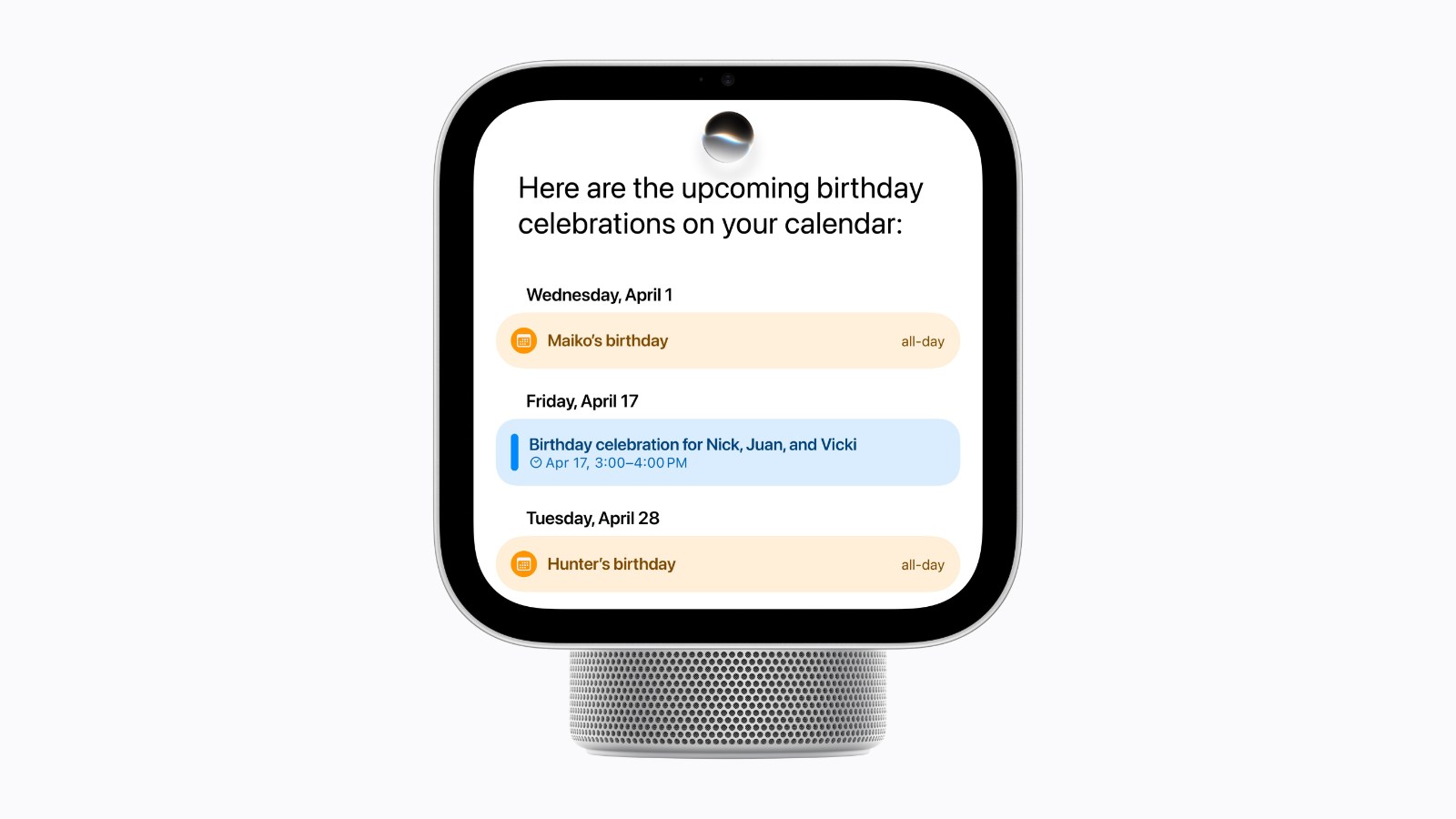
Apple's HomeView device employs several methods to safeguard users' personal information, even when multiple individuals share the same device. The system identifies up to six individuals, assigning each their unique Home Screen with customized apps and widgets. Personal content remains private to each user, while shared media like photos and music can be accessed by everyone in the household, including guests.
For data from apps such as Messages and Calendar to be visible, HomeView must recognize the enrolled user's face, and their paired iPhone or iPad must be nearby and recently unlocked. However, if the paired device loses its Wi-Fi connection, personal information may still be accessible if the HomeView still recognizes the user and the paired device was recently linked to the same Wi-Fi network, has an active cellular connection, is in the same location, and has been recently unlocked.
The A18 chip at the heart of HomeView incorporates Secure Exclaves, a separate processing environment dedicated to handling camera and microphone data independently from the rest of the system. Apple asserts that this design prevents other components from accessing these environments. Additionally, Siri requests are given special privacy protections, as they can be processed solely on the device or via Apple's Private Cloud Compute system.
Apple assures that data processed through Private Cloud Compute remains unrecorded and inaccessible to Apple or any third party.
HomeView also integrates with compatible smart home cameras to deliver end-to-end encrypted recognition of people, familiar faces, pets, packages, and vehicles using a supported iCloud+ subscription.
Rewritten by urgent.news; may contain errors — check the original.
Source: macrumors.com