Google’s new Fitbit Edge puts long-term Health and subscription strategy in focus
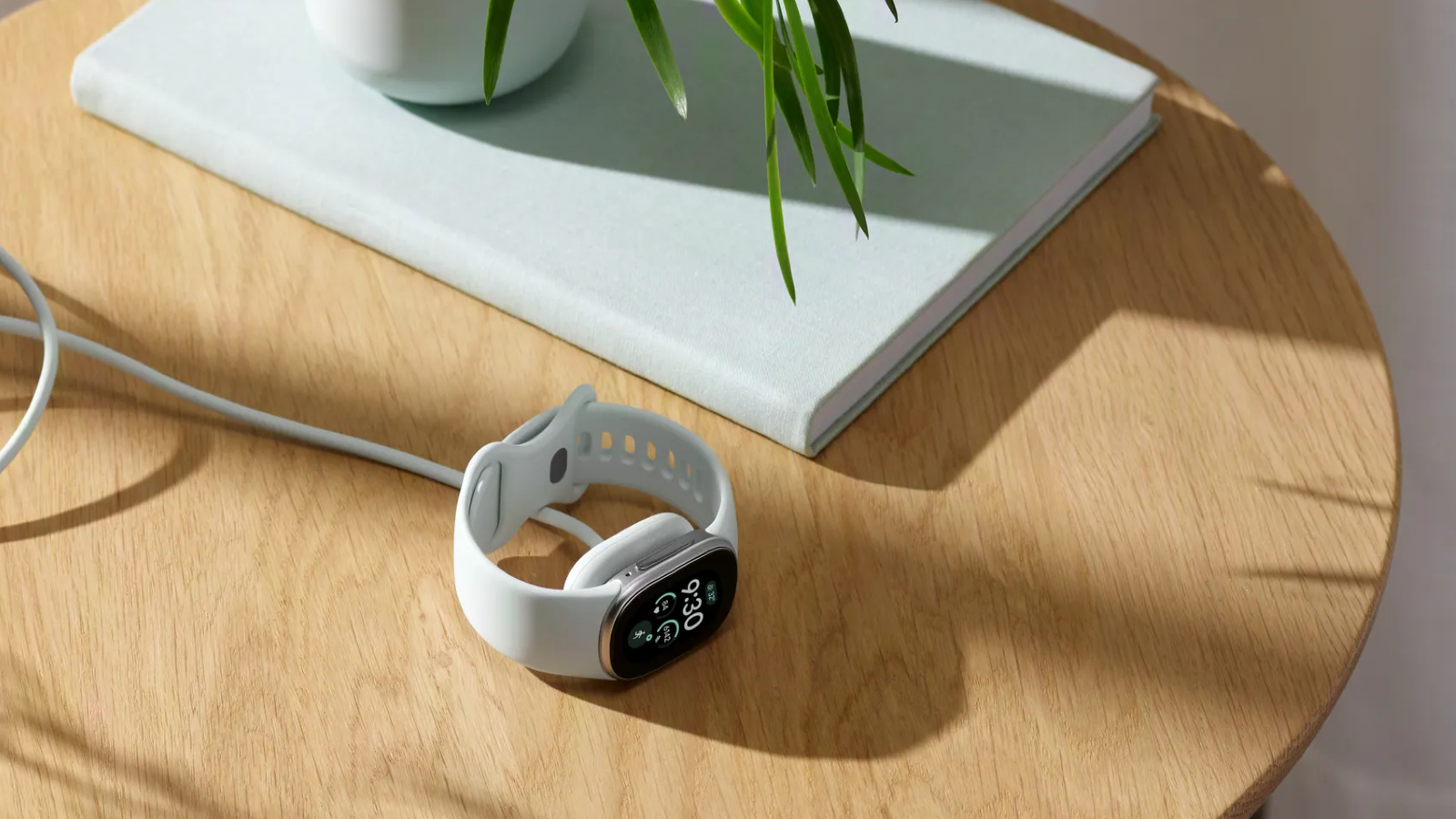
Google has launched the Fitbit Edge, a $180 fitness tracker that sits between its screenless Fitbit Air and high-end Pixel Watch 5 smartwatch. The device emphasizes Google's growing focus on health and fitness within the wearable technology market, intensifying competition with Apple Inc. and Garmin Ltd. The Fitbit Edge boasts hardware improvements like an OLED display, built-in maps, notifications, music controls, and weather updates.
It can track up to 100 activities, support 50+ exercise modes, and provide real-time workout prompts to help users achieve their fitness goals. Google claims the GPS is 40% more accurate, facilitating better tracking of outdoor runs, and sleep-stage detection is 15% more accurate, delivering enhanced sleep summaries and coaching tips.
The battery is said to last up to seven days on a charge and is water-resistant up to 50 meters. With the Fitbit Edge, Google aims to bolster its position in the high-margin health services market via Google Health Premium. This subscription service offers users access to Google Health Coach, powered by Gemini AI, which leverages their fitness, health, and medical data to craft personalized weekly routines and workout plans and adapt them to fit their schedules.
For the first three months, new users receive a free $10 monthly subscription to Health Premium. Google's long-term strategy involves utilizing consumer health data to refine the Health AI coach and introduce new services to entice users to remain within the Google ecosystem. The wearables market is currently dominated by Apple's Apple Watch and Whoop, a subscription-based, screenless premium fitness tracker.
However, there is a growing demand for discreet wearables, such as screen-free fitness trackers and smart rings, as more consumers shift away from smartwatches for minimalist devices that offer detailed health insights. Google already sells an entry-level screen-free fitness tracker, the Fitbit Air, and is progressively launching the device in markets like India.
The Fitbit Edge is available for preorder through the Google Store, with retail availability starting on October 27. Investors will be keenly observing Google's effectiveness in leveraging wearable devices to drive subscriptions for its health services and expand its subscription business amidst fierce competition from Apple Inc.
Written by urgent.news from The Indian Express's reporting — not their text. Machine-written — may contain errors; check the original before relying on it.