Ghana’s democracy must accommodate dissent and constructive criticism – Haruna Iddrisu
Education Minister Haruna Iddrisu has called for greater tolerance of dissent and constructive criticism in Ghana’s democracy, stressing that opposing views can help improve governance and the lives of citizens.
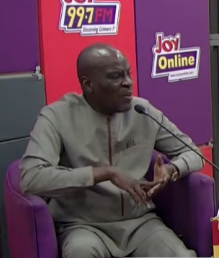
Education Minister Haruna Iddrisu has urged Ghanaians to accept dissent and constructive criticism as part of their democracy. Speaking on Joy FM on Tuesday, October 13, the Tamale South MP emphasized that opposing views can enhance governance and citizens' lives. Iddrisu stated that public office holders should prioritize making life easier for Ghanaians, regardless of political differences.
"For the good of our democracy, it's good to tolerate dissent, and it's good to tolerate constructive criticisms," he remarked. The former Minority Leader explained that such criticism should strengthen the country's governance systems and improve the quality of life for the Ghanaian people. Iddrisu, reflecting on parliamentary leadership challenges, acknowledged that Minority Leader Alexander Afenyo-Markin is doing his best despite his side's numerical disadvantage in Parliament.
"The current Minority Leader, Afenyo-Markin, is doing his utmost best, but he’s simply overwhelmed with the numbers. Very little to do, very little influence with those numbers," he observed. Recalling his own experience, Iddrisu noted that the Minority's limited numbers often meant even a walkout had little impact on parliamentary proceedings.
He emphasized that numerical strength could influence debates, even when the smaller side had a valid argument. "In every democracy, the most important institution is Parliament. That’s why it’s referred to as the citadel of democracy, where right and wrong is debated, but right must always prevail," he added. Iddrisu highlighted the importance of consensus, explaining that parliamentary leaders should sometimes allow backbenchers to lead issues before engaging them to resolve differences.
"Consensus is the beauty of any democracy," he declared. Regarding parliamentary disputes, the Minister advocated for exhausting internal mechanisms before referring matters to the courts, linking this to the principle of separation of powers.
Written by urgent.news from MyJoyOnline Ghana's reporting — not their text. Machine-written — may contain errors; check the original before relying on it.