Gesundheit: Wechseljahre bleiben oft Tabu - Fachleute fordern mehr Hilfe
Hitzewallungen, Schlafprobleme, Belastungen im Job: Millionen Frauen in Deutschland sind in den Wechseljahren. Trotzdem fehlen bislang oft passende Anlaufstellen und Unterstützung.
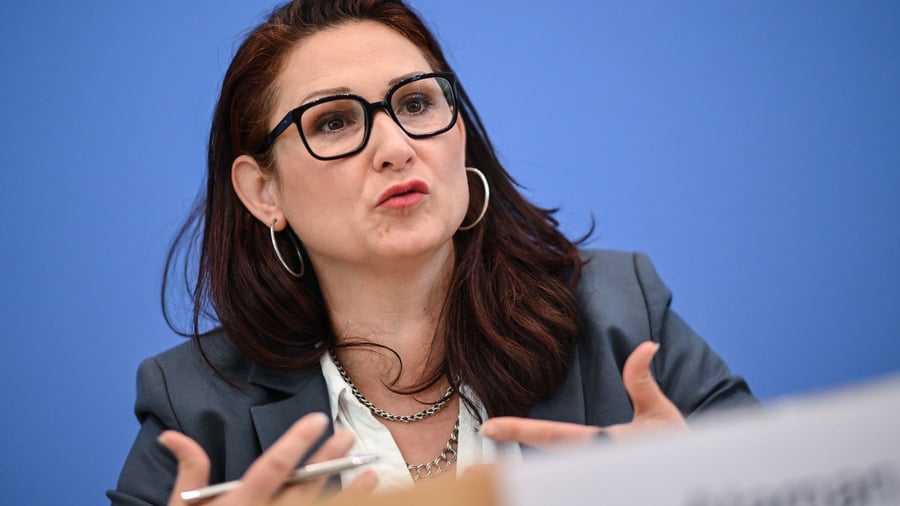
Women experiencing menopause should receive better support and protection in the workplace to prevent discrimination, according to a new set of recommendations unveiled by the Federal Anti-Discrimination Office in Berlin. Federal Anti-Discrimination Officer Ferda Ataman stated that "menopause should not be a year of discrimination."
Approximately 11 million women in Germany are in menopause. Ataman noted that "at some point, half of the population will be affected by menopause." Despite being experienced by a third of affected women, there is currently little support, with many women reluctant to openly discuss their complaints at work due to fear of being labeled as a burden or facing disadvantage.
Gynecologist Mandy Mangler, head of gynecology at the Vivantes Klinikum, highlighted that "we have a care problem in this country." The medical profession's education on the topic has been minimal, and there is no specific metric for measuring the level of medical advice on menopause. New recommendations include a national menopause strategy, increased awareness in medical education, and better workplace support such as flexible working hours, appropriate room temperatures, easy access to toilets, and occupational health advice.
The effectiveness of legal protection against workplace disadvantage due to menopause is also under review. Ataman urged for greater openness in discussing menopause, stating that "menopause must finally emerge from the taboo zone."
Written by urgent.news from Handelsblatt's reporting — not their text. Machine-written — may contain errors; check the original before relying on it.