Gesundheit: Elf Millionen Frauen in den Wechseljahren – Hilfe fehlt oft
Obwohl die Hälfte der deutschen Gesellschaft irgendwann in die Wechseljahre kommt, fehlt es bislang oft an Unterstützung. Was sich nach Meinung von Fachleuten nun ändern sollte.
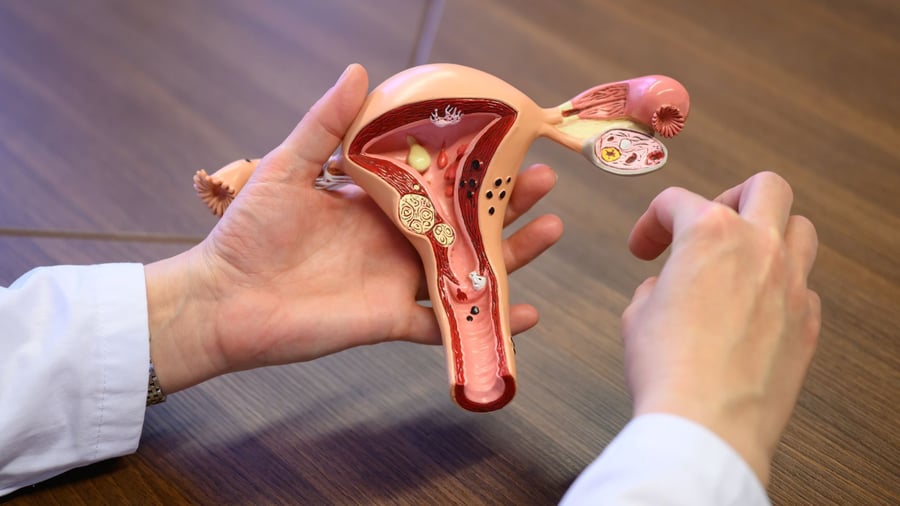
In Germany, approximately eleven million women are currently experiencing the transition into menopause, yet adequate support for their complaints is often difficult to obtain. A panel established by the Anti-discrimination Office of the Federal Government has called for improved medical care, greater workplace assistance, and stronger protection against discrimination in a policy paper.
Hot flashes, sleep disturbances, or exhaustion can accompany this phase, but not every woman experiences it in the same way. According to new surveys, around 85 percent of women feel symptoms. Miriam Stein, a journalist and author who co-leads the interdisciplinary panel "Menopause and Discrimination," emphasized that many face limitations in their jobs.
Statistically, women in Germany typically begin menopause between the ages of 51 and 52, with an average of at least 15 more years of working life ahead of them. A DAK study, which informs the panel's recommendations, reveals that one in three affected women report significant professional strain, such as reduced work capacity, more sick days, or job losses.
Discussing concerns at work proves challenging for many. The Federal Anti-discrimination Officer, Ferda Ataman, explained that people who address their needs and problems in the workplace often risk being labeled as a burden. Women in this age group are crucial for many industries, as society relies on their performance during menopause.
Ataman stated that their society depends on high-performing women experiencing menopause. The type of assistance required depends on the workplace. For those in caregiving or hospitality jobs, where remote work is not feasible, alternative solutions are needed. There is a "healthcare problem" for women experiencing menopause-related symptoms.
Many women seek help, but often cannot find it. "We have a healthcare problem in this country," said Dr. Mandy Mangler, chief physician for gynecology at the Vivantes Clinic. Part of the issue is that medicine and research have historically focused primarily on the male body, leaving women's health underserved in many areas. Dr. Mangler highlighted the limited coverage of menopause in medical education.
At a Berlin clinic like hers, there is only one lecture on the subject. Most medical professionals graduate without having delved deeply into the topic. Ataman remarked that if men went through menopause, there would be more specialists than McDonald's outlets in Germany. She is confident. The panel suggests that menopause should be embedded more deeply in medical training and education.
They also propose establishing a dedicated metric for menopause counseling. Currently, such a metric does not exist. Dr. Mangler noted that comprehensive counseling for practices remains difficult to quantify. The panel calls for a national strategy for menopause, encompassing healthcare provision, the workplace, research, education, and protection against discrimination.
This would bring together various aspects under a single, cross-sectoral policy coordination. Women should be informed and educated about menopause earlier and better. The panel suggests launching a nationwide awareness campaign and making informative resources readily available before the onset of menopause. Legal protection remains a grey area.
It should be examined whether discrimination due to menopause is adequately addressed by the General Equal Treatment Act. However, Ataman emphasizes that menopause must be moved out of the "taboo zone." It is not merely an individual issue that women must manage alone.
Written by urgent.news from Handelsblatt's reporting — not their text. Machine-written — may contain errors; check the original before relying on it.