Germany's China calculation shifts as import pressures eclipse export benefits
Germany long resisted tougher action against China because of retaliation fears. But rising pressure on key industries has pushed Berlin and Paris to seek stronger EU trade-defense powers to protect its industrial base.
Germany's cautious stance towards China is shifting as import pressures mount and export benefits wane. The European Union, which has long criticized China's unfair trade practices, is now considering more robust measures to address the growing imbalance. Last week, German Chancellor Friedrich Merz and French President Emmanuel Macron jointly wrote to EU Commission President Ursula von der Leyen, advocating for a new tool to cut off a trading partner from the EU's single market if unfair practices persist.
The letter served as a direct warning to Beijing, stating that such measures are necessary against countries deliberately undermining fair market conditions. China's Commerce Ministry responded threateningly, warning Europe would suffer if the kill-switch plan was adopted. However, industry experts now believe the potential trade-offs outweigh the costs.
Since 2021, China has fallen from Germany's second-largest export market to its ninth, according to Germany Trade & Invest data. Chinese competitors in technology, precision engineering, and chemicals have surged, particularly impacting Germany's automotive industry, which saw a 66% drop in exports to China between 2022 and 2025.
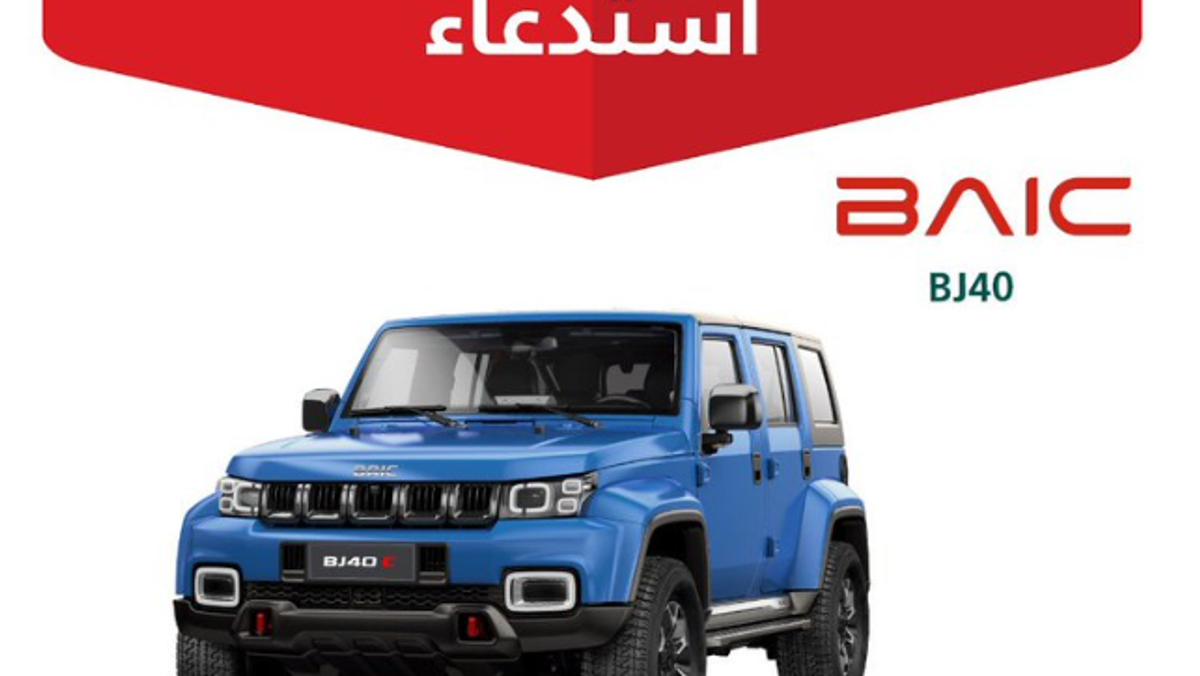
The German vehicle makers now face intense competition from Chinese electric vehicle manufacturers, leading to layoffs and potential factory closures. In response, German business leaders are demanding a more assertive approach to trade defense instruments, citing unfair measures as a threat to their businesses. The EU's goods deficit with China reached €360 billion last year, further widening in the first half of 2026.
While Brussels has pushed back against Chinese dumping of cheap goods, anti-coercion measures have faced resistance from both Beijing and within the EU. The European Automobile Manufacturers Association warns that the proposed EU Industrial Accelerator Act, aimed at attracting manufacturing investment back to Europe, may not be sufficient to counter the threat from cheaper Chinese rivals.
Additionally, Berlin is concerned about China's control over rare earth minerals and magnets, essential for various industries. The EU and China reached a shared understanding at recent trade talks in Beijing, potentially reducing Chinese exports of hybrid and plug-in hybrid vehicles to the EU by more than half.
Rewritten by urgent.news; may contain errors — check the original.
Source: dw.com
This story
This is one outlet's version. Read the fullest account.