From Irom Sharmila’s fast to NEET stir: Jantar Mantar a site of many protests
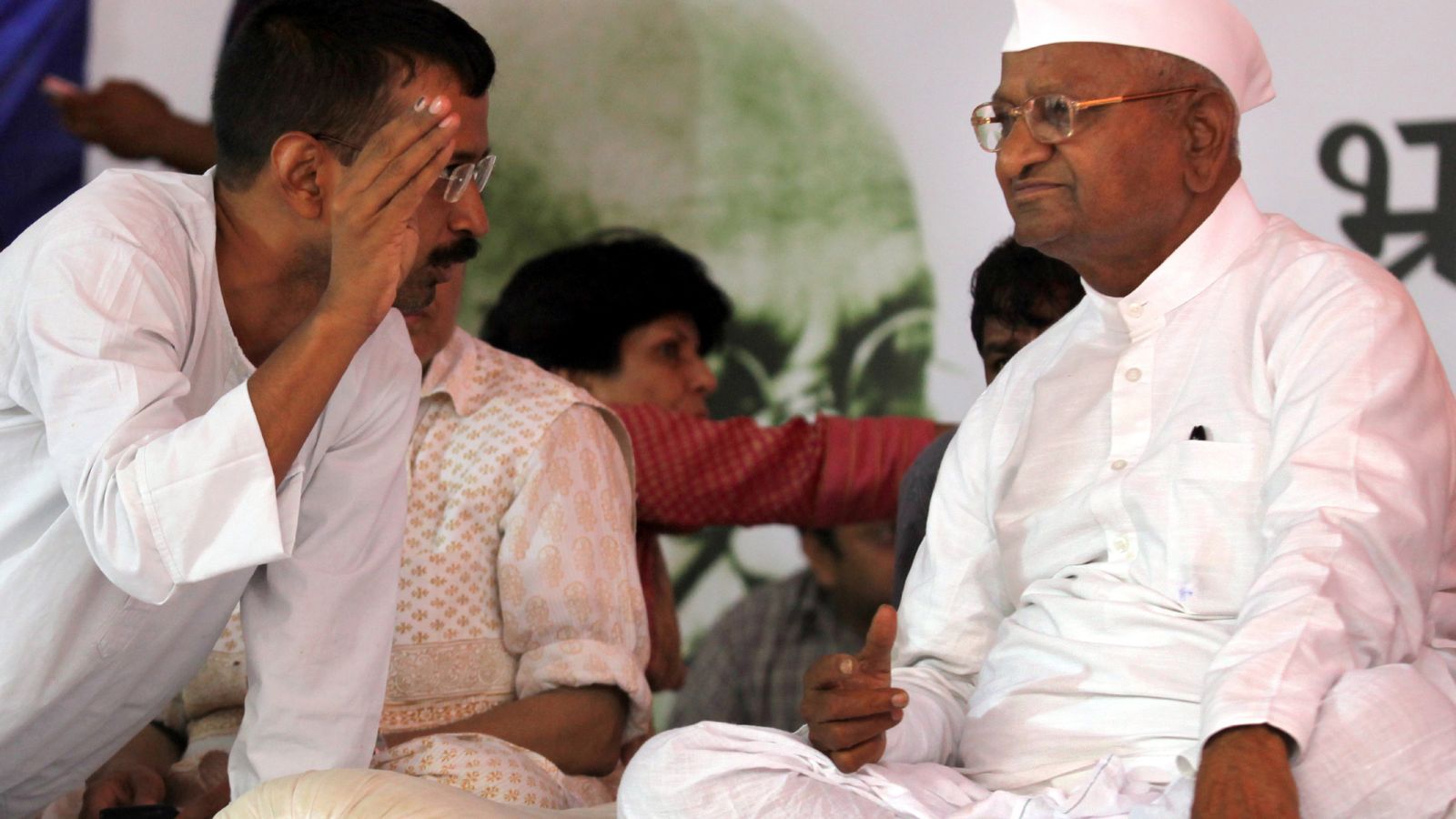
The historic Jantar Mantar site in Delhi has long been a hub for political protests, including the 16-year fast by Irom Sharmila against the Armed Forces Special Powers Act. After the Boat Club Lawns was sealed off in 1993, Jantar Mantar became the prime protest location closest to Parliament. Historians attribute this shift to two main factors: a farmers' protest at India Gate in 1988 and a BJP rally in 1993 that required heavy police deployment to block access to the Boat Club Lawns.
Despite being less than 2 km away from Parliament, Jantar Mantar's seclusion was often criticized by activists who preferred open, visible spaces. The site has hosted major movements like the India Against Corruption and the Narmada Bachao Andolan, as well as smaller protests almost daily. However, its use as a protest venue has been contentious, with the National Green Tribunal prohibiting activities there due to noise and traffic concerns in 2017.
While reversed in 2018, Jantar Mantar remains crucial for vocalizing dissent in the capital, with alternative protest sites located farther from Parliament.
Written by urgent.news from The Indian Express's reporting — not their text. Machine-written — may contain errors; check the original before relying on it.
This story
This is one outlet's version. Read the fullest account.
- Jantar Mantar: From astronomical observatory to landmark protest site thehindu.com
- Jantar Mantar de-notified as protest site: Who decides where protests can be held? indianexpress.com
- How Jantar Mantar became Delhi's designated protest site and what changes now timesofindia.indiatimes.com
- HT Evening News Brief Oct 12: Jantar Mantar de-notified as protest site, SC says it did not adjudicate new Form 6 hindustantimes.com