Food prices will push more Nigerians into poverty despite 4.2% growth – IMF
The International Monetary Fund, IMF, says food prices will push more Nigerians into poverty regardless of 4.2% growth. The IMF made this projection in its 2026 World Economic Outlook titled “Resilience Under Strain, Urgent Choices,” presented on the sidelines of the IMF/World Bank meetings holding in Bangkok, Thailand. According to the financial institution, the projections […] Food prices will…
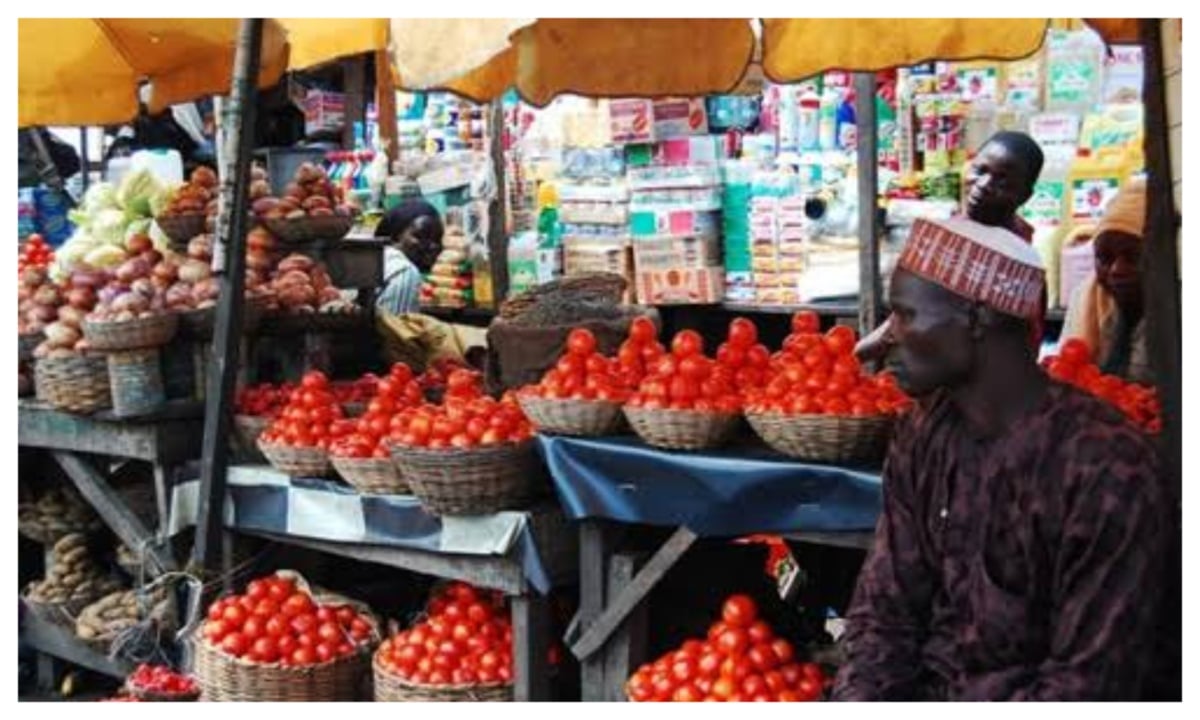
The International Monetary Fund (IMF) predicts that rising food prices will contribute to increasing poverty levels in Nigeria, despite the country's 4.2% economic growth. The IMF outlined this projection in its 2026 World Economic Outlook, titled "Resilience Under Strain, Urgent Choices," which was presented during the IMF/World Bank meetings in Bangkok, Thailand.
The institution attributes this projection to the nation's macroeconomic stability, while simultaneously warning that soaring prices of essential goods are anticipated to push more Nigerians into poverty. Nigeria has undertaken various reforms, including adjustments to the foreign exchange market and dismantling a subsidy scheme that the government deemed wasteful and riddled with corruption, amidst fiscal challenges.
Although international development and financial bodies have applauded the reforms for their positive impact on the country's fiscal health, many Nigerians have expressed dissatisfaction with the reforms, citing the negative effects on their daily lives, such as spikes in energy prices, a high cost of living, and other inflationary pressures.
The IMF stated in its report on Tuesday, "Nigeria is supported by improved macroeconomic stability and favourable terms-of-trade effects, though higher prices for essentials are expected to further aggravate poverty and food insecurity."
Written by urgent.news from Daily Post Nigeria's reporting — not their text. Machine-written — may contain errors; check the original before relying on it.