Ecuador’s president tried to kill the dollar. Here’s what that means for Venezuela, Argentina and the Rest of Latin America
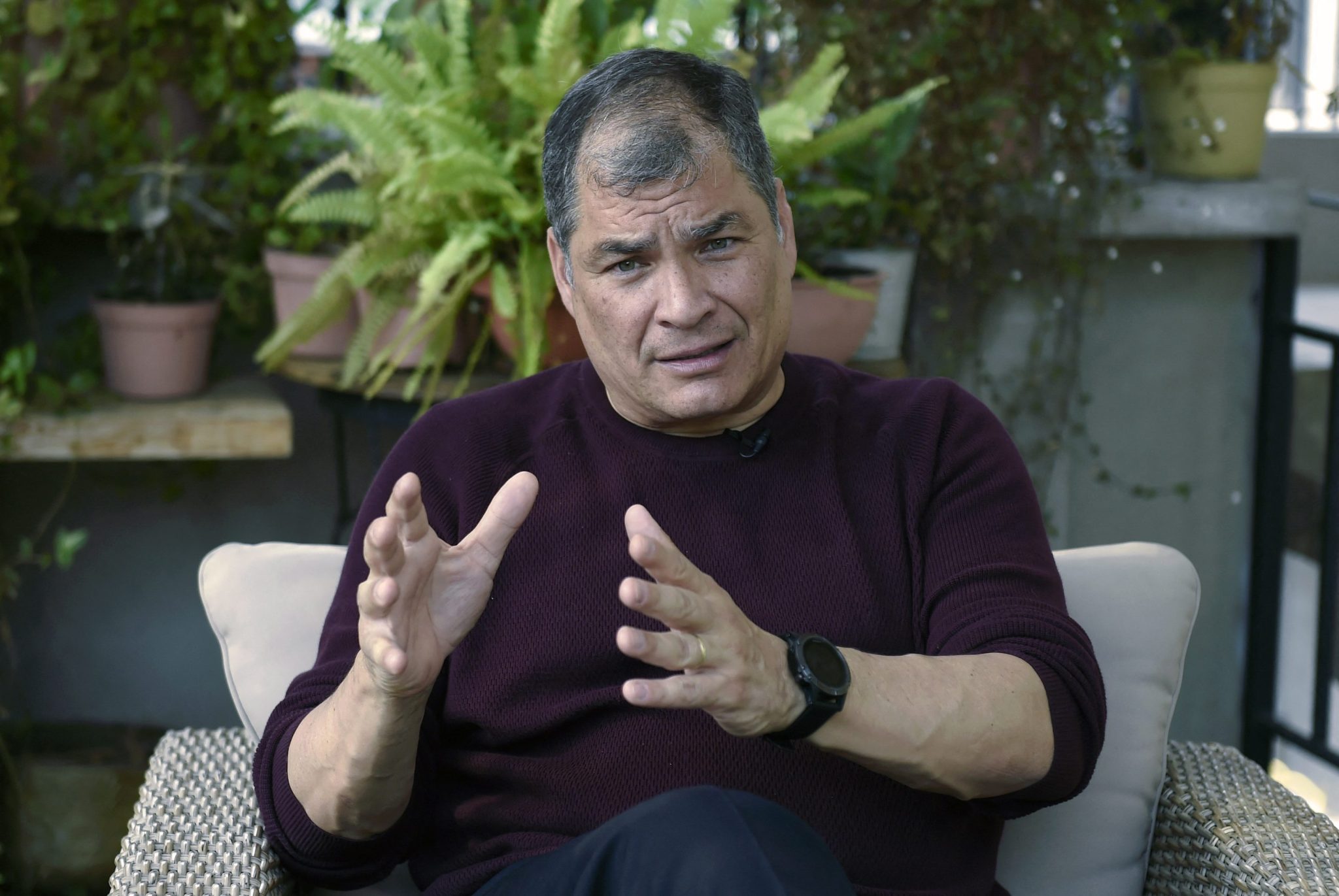
Longtime dollarization foe Rafael Correa spent a decade attempting to dismantle Ecuador’s dollarized system. It survived him and South America’s Pink Tide.
Ecuador’s experience with dollarization has significant implications beyond the country’s borders, as it illustrates the potential benefits and challenges of adopting the U.S. dollar as the national currency. In a recent article, the author examines how Ecuador’s dollarization journey has shaped its economic landscape and what lessons it holds for neighboring nations such as Venezuela and Argentina.
In the early 2000s, Ecuador was grappling with a rapidly depreciating currency, the sucre, which lost two-thirds of its value against the dollar in just one year. This severe economic crisis prompted President Jamil Mahuad to swap the sucre for the dollar in January 2000, a decision that proved to be a wise one. Following this move, inflation plummeted, banks regained stability, and the economy shifted from negative to positive growth, all while exports surged.
As a result, dollarization has become a lasting feature of Ecuador’s currency regime, enjoying widespread public support and even surviving the tenure of controversial President Rafael Correa.
During Correa’s presidency (from 2007 to 2017), he attempted to undermine the dollarized system by dismantling its complement, namely, the oil reserve fund that provided fiscal stability. Correa also pursued policies that contradicted the principles of dollarization, such as restricting foreign capital, defaulting on foreign debt, and raising import tariffs.
In addition, he attempted to exert control over private banks by forcing them to repatriate 45% of their liquidity to the central bank, a move that went against the very essence of dollarization.
Correa's actions have left a lasting legacy in Ecuador. Although the country has enjoyed the benefits of dollarization, the central bank's involvement in financing the government has diluted the system's effectiveness. While the dollar has protected Ecuador from the currency crisis crisis, it has not fully delivered its potential due to the central bank's continued role in setting interest rates and directing bank lending.
For other Latin American countries, Ecuador’s experience provides valuable insight into the potential advantages and setbacks of adopting the dollar as their official currency. The success story of Ecuador demonstrates that dollarization can help insulate a nation from currency crises, promote economic stability, and foster sustainable growth. However, implementing dollarization requires careful consideration of the unique circumstances and existing economic structures of each country.
Written by urgent.news from Fortune's reporting — not their text. Machine-written — may contain errors; check the original before relying on it.