Dying Queensland man wins record $1.9m payment after developing asbestosis
A Queensland grandfather has won a record compensation payment after developing asbestosis from his work as a plumber.
Robin Smith, a Queensland man suffering from debilitating asbestosis, has been awarded a record $1.9 million in compensation. The judgment, the first of its kind in Queensland, was awarded by a Mackay grandfather who developed the disease after being exposed to asbestos while working as a plumber from the mid-1960s to the 1990s.
Mr Smith, now in his late 70s, was unknowingly exposed to asbestos while working for the former Queensland Government's Mackay Harbour Board, which is now known as North Queensland Bulk Ports Corporation Limited (NQBP). His exposure occurred during work on the water lines throughout the port in 1981 and the mid-1990s. The groundbreaking decision was awarded by a Supreme Court in August, with $800,000 allocated for pain and suffering.
Asbestosis is a chronic lung condition that can take up to 60 years to present and has no cure. The trial against Amaca Pty Ltd (previously James Hardie & Coy), NQBP, and WorkCover Queensland concluded that Mr Smith's asbestosis was progressive, irreversible, and fatal, with an expected life expectancy of five to six years. The lawyer representing Mr Smith, Sean Sweeney, emphasized that his win could serve as a watershed moment for other asbestos victims.
Mr Smith's lawyer also noted that the $800,000 awarded for pain and suffering is significant. Asbestosis is a devastating diagnosis that slowly kills victims over time, leaving a lasting impact on both the victims and their families. The lawyer highlighted the dangers of asbestos and the fact that Mr Smith experienced extreme exposure into the 1990s is deeply concerning.
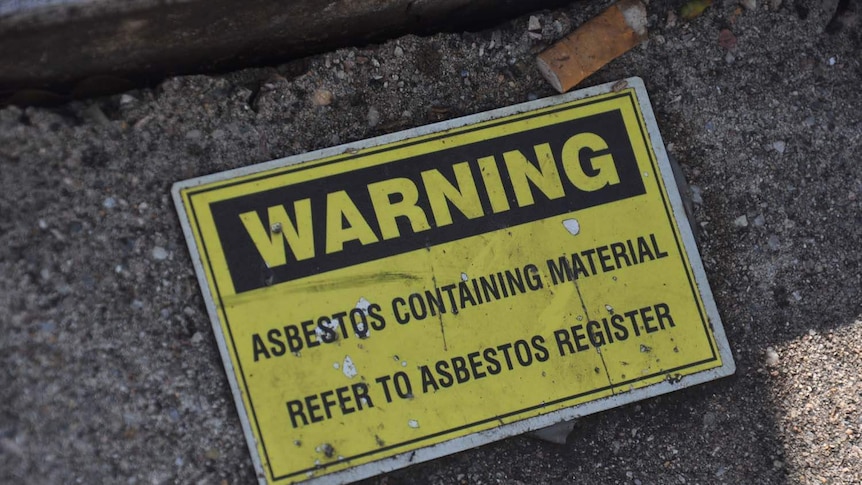
The Asbestos Safety and Eradication Agency reported that there are currently about 4,000 Australians diagnosed with asbestos diseases each year, and this number is rising. Despite asbestos being banned in Australia two decades ago, there are still over six million tonnes of the dangerous material in buildings across the country.
The case has brought attention to the ongoing dangers of asbestos in homes, schools, and workplaces, and the legal complexities surrounding such claims.
Written by urgent.news from ABC News AU's reporting — not their text. Machine-written — may contain errors; check the original before relying on it.