Cut screen time in classrooms to avoid long-term health issues, government urged
A group of clinicians warns technology use in English schools is driving a rise in health problems like short-sightedness.
A coalition of over 150 medical professionals has cautioned that children in England's classrooms may be experiencing detrimental effects on their physical and developmental health due to excessive screen time. In an open letter addressed to Education Secretary Lucy Powell and Health Secretary Yvette Cooper, the clinicians argued that tablets and laptops are being utilized without a comprehensive understanding of their potential long-term health implications, particularly concerning eye health.
The professionals revealed that they are currently prescribing glasses, hearing aids, and speech therapy to address a problem they believe is inadvertently exacerbated in our educational institutions. The government has announced that it is currently seeking input on screen time guidelines for children aged five to 18, acknowledging the potential benefits of technology as a learning aid if employed appropriately.
However, the group of clinicians pointed out that nearly one million children are engaging with screens during the majority of their lessons, despite evidence indicating a surge in short-sightedness. They cited an analysis of 276 studies involving 5.4 million participants globally, which revealed a rise in short-sightedness among children and adolescents from approximately 24% in 1990 to nearly 36% by 2023.
The experts warned that this condition is linked to an elevated risk of various eye health issues. They emphasized that many children now spend more time on screens during school hours than the recommended daily limit. The letter urged the nation to promptly address this issue and reduce screen usage in schools before the situation worsens further.
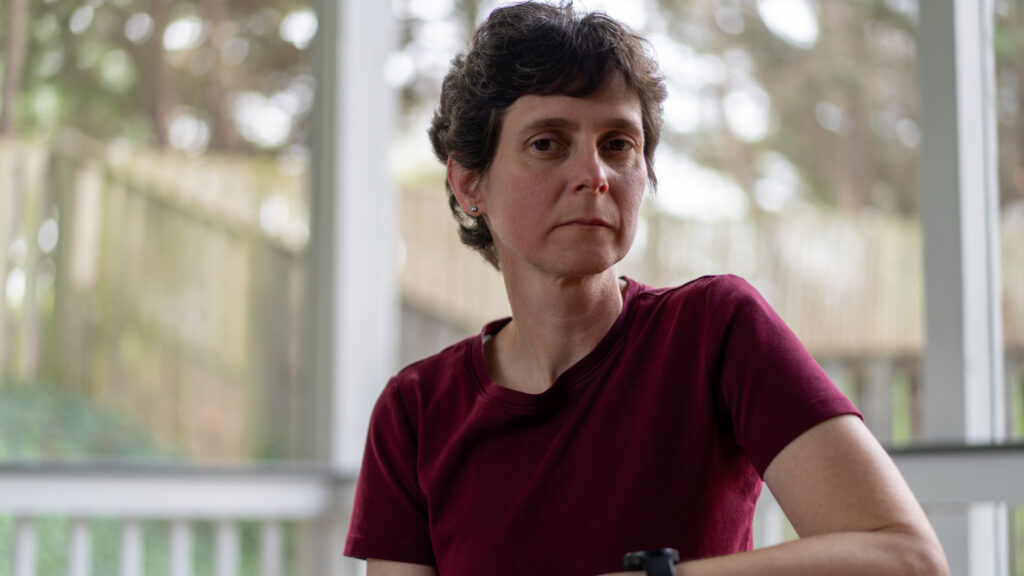
One of the signatories, Dr. Becky Foljambe, an NHS GP and founder of Health Professionals for Safer Screens, expressed concern that parents have not been given the option to opt out of excessive screen use in schools, which may result in children not thriving in their education. Foljambe dismissed the notion that short-sightedness can be attributed solely to genetics, calling it a "lazy argument."
She emphasized that children require adequate sleep, eye health, rest, and the ability to think critically and appraise information. The letter also highlighted that children with special educational needs are disproportionately directed to screen-based learning. A Department for Education spokesperson stated that the government is in the process of developing new screen-time guidance for children aged five to 18, and will consult on the safety of artificial intelligence and educational technology in schools.
They emphasized that when used effectively, technology can serve as a potent instrument to support learners who require it and enable teachers to deliver a superior education to every child. The call for action follows the implementation of a ban on smartphones in schools across England in June, making it legally mandatory for individual schools and trusts to remain phone-free throughout the day.
Written by urgent.news from BBC Health's reporting — not their text. Machine-written — may contain errors; check the original before relying on it.
This story
This is one outlet's version. Read the fullest account.