Commentary: Singapore's wealth tax debate should move beyond inheritance
Rather than focusing on inheritance, should Singapore’s wealth tax debate look at whether property price gains were privately earned or collectively generated? NUS Business School professor Simon Poh weighs in.
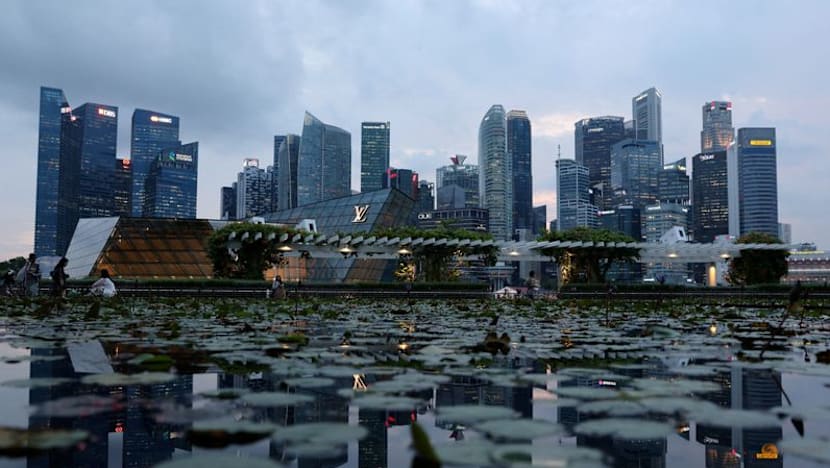
The ongoing debate surrounding Singapore's wealth tax has yet to settle on a comprehensive approach, with policymakers grappling with questions of competitiveness, inequality, and investment appeal. Recent discussions in parliament have sparked the idea of taxing inherited high-value properties, as members grapple with the widening wealth gap.
Meanwhile, the nation's first official measure of wealth inequality surpassed income inequality, further fueling calls for higher asset taxation, including a potential return to estate duties.
Singapore has been steadily incorporating wealth taxes through property taxes, stamp duties, and luxury vehicle taxes, which are relatively easy to administer and difficult to evade due to their visible and immovable nature. Property taxes and stamp duties serve as indirect wealth taxes that capitalize on observable and immovable assets, providing a cost-effective means of wealth taxation.
The suggestion to expand the wealth tax framework to inherited wealth has been met with both support and skepticism. Proponents argue that inheritance taxes align with meritocratic principles, preventing excessive wealth accumulation across generations and promoting equality of opportunity. However, traditional inheritance taxes have shown limitations, such as generating less revenue than expected while imposing significant administrative complexity.
The debate over whether property price gains are privately earned or collectively generated raises an important question about the extent to which public investments contribute to property value appreciation. In land-constrained cities like Singapore, property values often soar due to factors beyond individual property owners' efforts, such as public investments in transport infrastructure, urban renewal, schools, healthcare facilities, and economic development.
This consideration leads to a policy question that goes beyond inheritance itself, focusing instead on whether gains are primarily privately earned or collectively generated.
Targeting high-value inherited properties may offer a more feasible solution compared to a comprehensive net wealth tax, while also addressing some of the shortcomings of traditional inheritance taxes. However, measuring the extent of societal wealth embedded within assets remains challenging, particularly in determining how much of the price appreciation can be attributed to broader societal progress and public investments.
Written by urgent.news from CNA - Singapore's reporting — not their text. Machine-written — may contain errors; check the original before relying on it.
This story
This is one outlet's version. Read the fullest account.