Colleges are cutting administrative jobs. Some critics say that’s a good thing
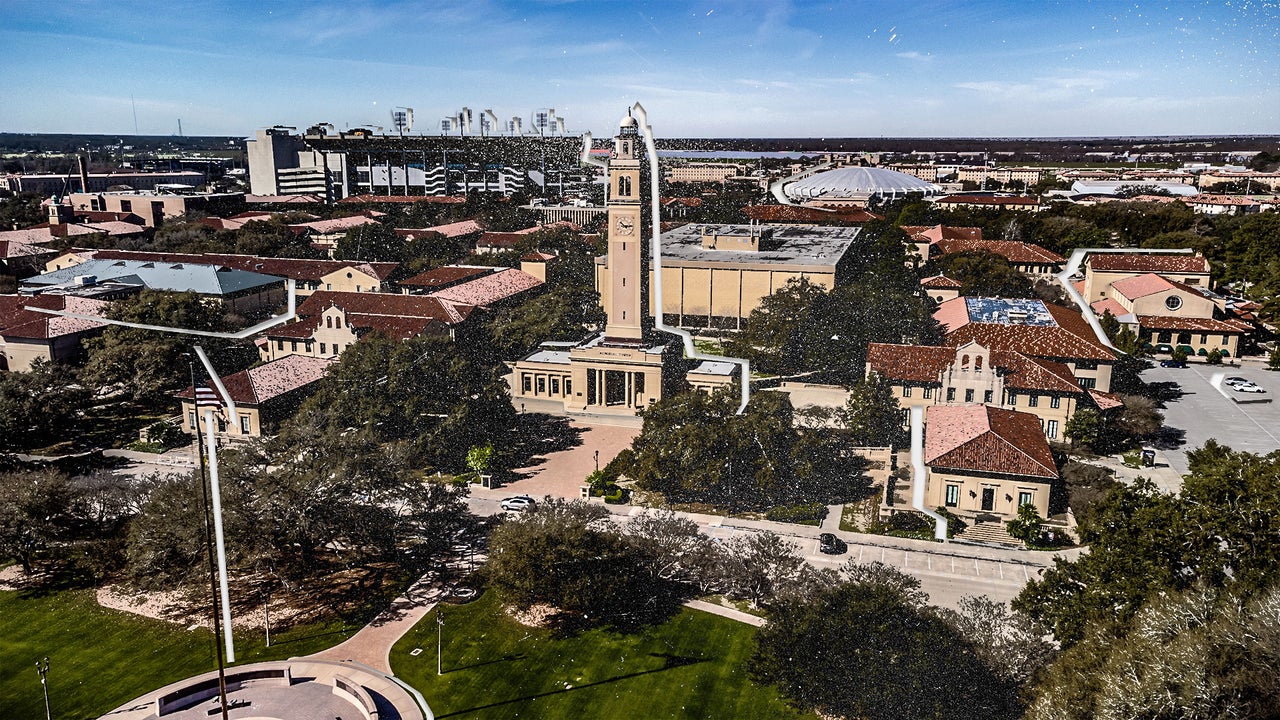
It was in the quiet of the summer when a new president at Louisiana State University said the school would lay off 25 administrators, including several who were high in the campus hierarchy, and shift the savings to faculty hiring and research. “Transformational change,” the president, Wade Rousse, called it. He was “streamlining operations and finding efficiencies so the university can focus on”…
In recent years, many colleges and universities across the United States have been reducing their administrative staff, according to new data from the College and University Professional Association for Human Resources (CUPA-HR). This trend may signal a potential shift in U.S. higher education as institutions aim to cut costs amid declining student enrollment and federal funding reductions.
The CUPA-HR survey, which covers approximately 1,000 public and nonprofit universities and colleges, reveals that the number of noninstructional employees, or those who do not directly teach, fell last year to the lowest level in at least the past decade. While the survey is limited in scope, other sources, such as the Bureau of Labor Statistics, project limited employment growth for postsecondary administrators, indicating that the trend may continue.
Several universities have recently announced layoffs among their administrative ranks. Louisiana State University plans to cut 25 administrators, including a chief financial officer and vice presidents overseeing various departments, to save money for faculty hiring and research. The University of Utah announced plans to eliminate up to 855 noninstructional positions, while the University of Minnesota laid off 230 such staff members.
Johns Hopkins University laid off 110 workers and imposed a hiring freeze, and the New School in New York City shed 68 noninstructional employees.
While these cuts represent a small fraction of the total noninstructional workforce—currently accounting for over half of all employees on campuses—it is encouraging that any reductions are taking place, says Peter Wood, president of the conservative National Association of Scholars. This shift follows decades of administrative growth, which critics argue has come at the expense of academic functions and contributed to a loss of public trust in higher education.
Administrative bloat has long been a concern, with various functions—such as athletics, housing, dining, security, transportation, mental health counseling, disability support, and fundraising—requiring additional personnel. Some of these expansions were driven by student needs and competition for college rankings, while others were influenced by government regulations. Despite these factors, the administrative workforce has grown significantly, often overshadowing the core academic mission of universities.
Written by urgent.news from Fast Company's reporting — not their text. Machine-written — may contain errors; check the original before relying on it.