Central banks, bond markets and fiscal credibility – why market stability had become political
Senior central bankers warn that while emergency interventions can buy time during market liquidity crises, long-term financial stability ultimately depends on governments taking decisive political action, says Helen Thomas Two of the world’s most senior central bankers have issued a warning that politicians would do well to heed: governments may believe they have years to [...]
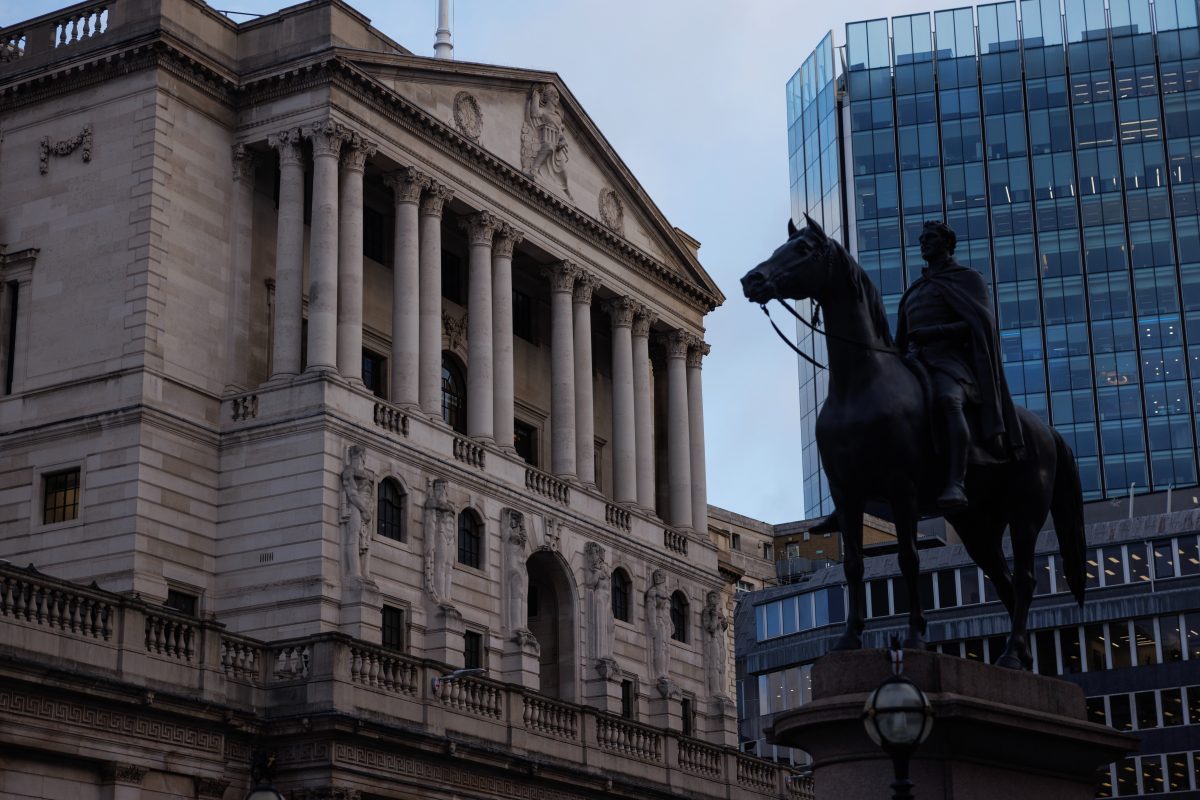
Two of the world’s most senior central bankers have warned that while emergency interventions can provide temporary market stability during liquidity crises, the long-term financial stability of governments ultimately depends on decisive political action from politicians. Pablo Hernández de Cos, General Manager of the Bank for International Settlements, cautioned that governments may underestimate the speed at which bond market liquidity can evaporate, leaving fiscal space dramatically reduced well before any long-term debt limits are reached.
Three days later, Bank of England Governor Andrew Bailey echoed this warning, highlighting that the rising levels of public debt and shifting investor base have made sovereign bond markets increasingly susceptible to sudden and sharp reversals. The primary concern is not necessarily the inability of governments to repay their debts, but rather the increasing demand from investors for higher returns to finance these obligations, which can ultimately undermine fiscal plans.
The true challenge for fiscal sustainability lies not only in the projections of debt-to-GDP ratios for the distant future, but also in the confidence of financial markets in funding governments in the present. This reality poses a significant dilemma for politicians who tend to view public finances as an accounting exercise. While fiscal rules can be adjusted, growth forecasts can be revised, and spending commitments can be postponed, these actions may satisfy the Treasury, but they do not guarantee the confidence of those who ultimately fund the borrowing.
As governments worldwide grapple with mounting demands for defense spending, ageing populations, and economic investment, compounded by successive inflationary shocks, the task of managing their debt becomes even more complex. The UK, France, and the United States are all facing the challenge of reconciling their spending promises with fiscal credibility, as the nature of their investors evolves.
The financial reality remains that governments need investors to absorb large amounts of debt issuance, and these investors' willingness to participate is increasingly influenced by funding costs, market volatility, and their capacity to maintain their positions.
Rewritten by urgent.news; may contain errors — check the original.
Source: cityam.com