Centene CEO Sarah London says Medicaid patients are the last to benefit from health care innovation. She wants AI to change that
The head of the country’s largest Medicaid insurer wants to see AI impact medical access deserts, not just more billing.
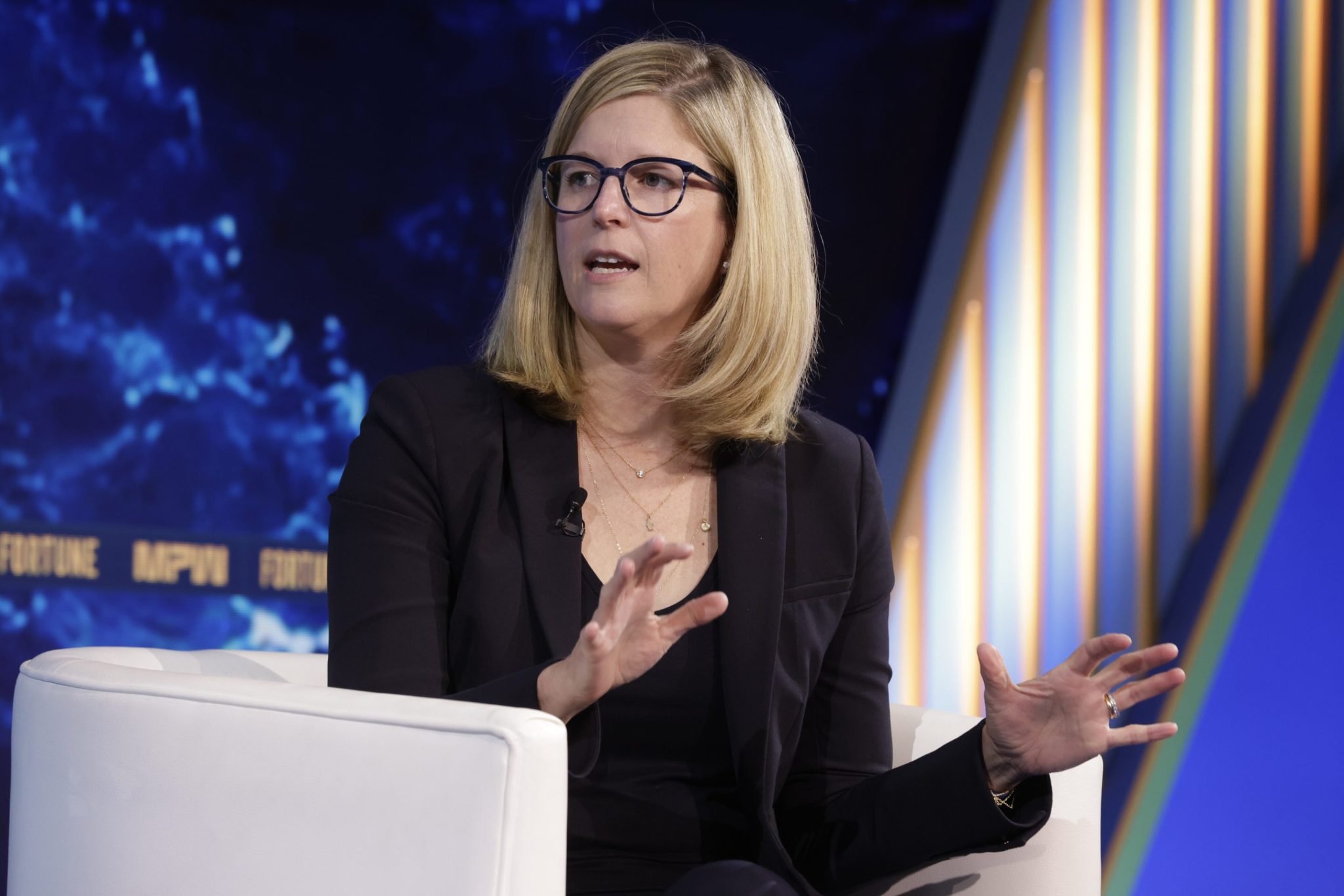
Centene CEO Sarah London expressed concern on Monday at Fortune's Most Powerful Women Summit that health care innovations often fail to benefit those who need them the most, namely Medicaid patients. Centene, a $33 billion healthcare company based in Missouri, operates Medicaid plans in 29 states and offers individual marketplace plans and Medicare Advantage. London, who took the CEO role at 41, said her company's 26 million members are among the poorest and sickest in the communities they live in.
London sees artificial intelligence (AI) as a powerful tool to change this state of affairs, but current deployments of AI are mostly focused on increasing revenue through fee-for-medical-service models, rather than democratizing care. She sees huge potential in AI to help community health workers perform initial triage in "medical deserts" – areas with few hospitals – putting care back in the hands of patients and fundamentally changing how healthcare works.
AI could also empower patients to make more informed decisions about their own care. While ChatGPT is not a replacement for medical professionals, London believes it can help people become more health-conscious. Used correctly, AI could significantly reduce medical costs by enabling patients to take initial steps in their own care, freeing up funds for actual treatment.
Centene is currently using AI for administrative communications with members, but London's vision is for interactive tools that will eventually allow patients to take the first steps in managing their health. The administrative cost savings from AI adoption could then be redirected towards actual healthcare benefits. London acknowledged that progress in this area is still ongoing, but she is optimistic about the potential of AI to transform healthcare.
Written by urgent.news from Fortune's reporting — not their text. Machine-written — may contain errors; check the original before relying on it.