Cancer-causing chromium 1,000 times the limit in Nashik water ahead of Kumbh
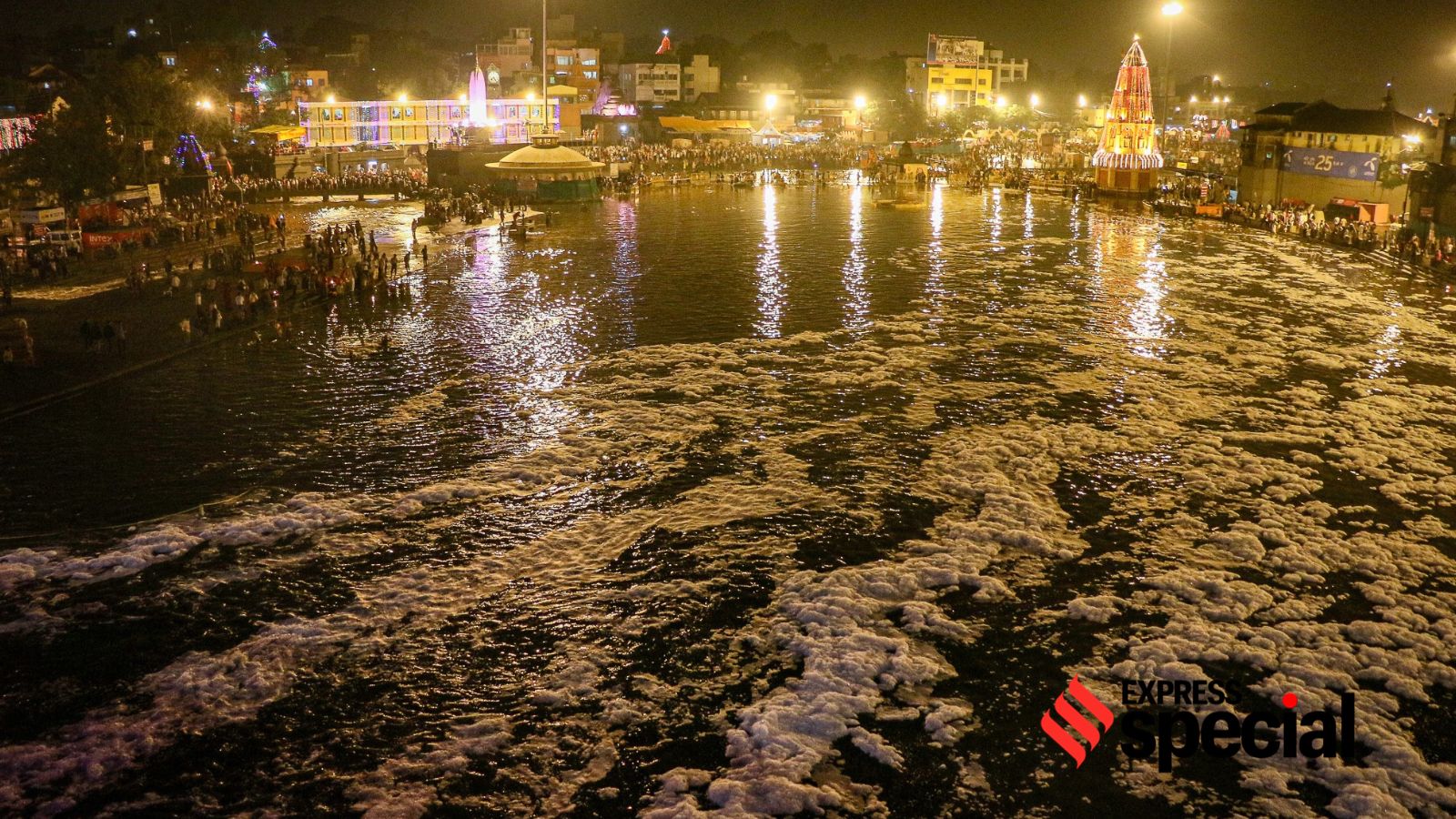
As Nashik prepares to host the Kumbh Mela in 2027, alarming lab results have revealed chromium levels in water samples near the Ambad industrial region that are over 1,000 times the allowable limit for drinking water. The Indian Express has obtained a copy of the laboratory report, which indicates total chromium at 50.5 mg per litre, including 50.3 mg per litre of particularly hazardous hexavalent chromium.
The permissible limit set by the Bureau of Indian Standards for chromium in drinking water is a mere 0.05 mg per litre. The Nandini river system, which feeds into the Godavari and flows near the Ambad area, was the site of sampling. Concerns have been raised over possible industrial pollution extending into a river that will witness a significant influx of devotees during the Kumbh Mela, an event centered on ritual bathing in the Godavari.
State Minister Girish Mahajan, who is managing Kumbh Mela preparations, met with Environment and Climate Change Minister Pankaja Munde to discuss the situation after visiting the area. Munde has directed the Maharashtra Pollution Control Board to take immediate action against any industries found polluting the region. Environmental activist Rajesh Pandit, who has been fighting against water pollution for over a decade, stated that several residential borewells in Ambad have been providing yellow-tinted water.
He and fellow activist Parineeta Dandekar collected water samples, which were tested on October 3 by Ashwamedh Engineers and Consultants. The discovery of such high chromium levels has sparked worry about the impact of industrial discharge on the Nandini river and the Godavari, particularly given the anticipated large number of devotees at Kumbh Mela-related ghats.
Hexavalent chromium, classified as a known human carcinogen, can lead to severe health issues, though the full extent of contamination and its effects on residents demand further investigation. Residents have reported skin problems, chemical ulcers, rashes, blisters, swollen lymph nodes, and chronic illnesses, attributing these to polluted water consumption due to Nashik Municipal Corporation's limited water supply.
Pandit accused both authorized and unlicensed industrial units of discharging untreated wastewater into the open, calling for a comprehensive study to understand the extent of groundwater contamination.
Written by urgent.news from The Indian Express's reporting — not their text. Machine-written — may contain errors; check the original before relying on it.