Better arboriculture needed, not fear of mature trees
LETTERS: Few urban tree failures in recent months have attracted as much national attention as the fatal, high-profile tree failure along Jalan Sultan Ismail, Kuala Lumpur, in May 2024.
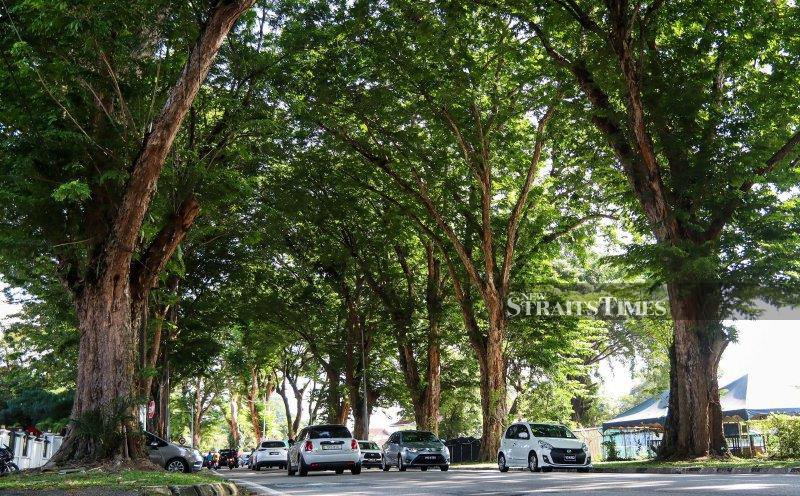
Recent high-profile tree failures in Kuala Lumpur have sparked national attention and public anxiety regarding the safety of urban trees. Statistics reveal a rise in fallen tree incidents over the past few years, but fatal tree failures should prompt improved arboriculture, not fear of mature trees. The impulse to remove every potentially hazardous tree may be impractical and not the most effective solution.
Advanced technologies can enhance tree assessments, including LiDAR, aerial and remote-sensing methods, sonic tomography, and ground-penetrating radar. DBKL's recent plan to install 400 tree monitoring sensors is a positive step, but technology should support, not replace, the expertise of certified arborists. A comprehensive tree risk assessment should involve professionals from various disciplines.
The public's role includes promptly reporting tree concerns and avoiding actions that could damage tree health, such as parking on root zones or dumping waste near trees. Mature trees are not inherently dangerous due to their age, size, lean, or defects. The focus should be on better arboriculture, informed communities, and proportionate risk management to ensure both public safety and a healthy urban forest.
Written by urgent.news from New Straits Times's reporting — not their text. Machine-written — may contain errors; check the original before relying on it.