Australian Dollar remains steady following RBA September Meeting Minutes
AUD/USD remains steady after experiencing volatility, hovering around 0.6960 during Asian hours on Tuesday. The pair moves little after the Reserve Bank of Australia (RBA) published the Minutes of its September monetary policy meeting.
The Australian Dollar (AUD) demonstrated stability following the Reserve Bank of Australia (RBA) September meeting minutes. After experiencing volatility, the AUD/USD pair hovered around 0.6960 during Asian trading hours. The minutes of the RBA meeting revealed emerging upside risks to inflation since August, alongside signals suggesting financial conditions may only be modestly restrictive.
Rising prices in the technology sector due to the AI boom have begun to appear in Australia. Internationally, tensions in the Middle East have driven oil prices beyond anticipated levels, and a potential increase in the global neutral rate could exert downward pressure on the AUD if domestic rates remain unchanged. Conversely, a larger-than-expected decline in house prices signals that financial conditions may be tighter than expected.
Board members cautioned that recent employment data should be interpreted with careful consideration due to recent survey modifications. The AUD/USD pair could depreciate as the US Dollar (USD) rebounds due to heightened safe-haven demand resulting from escalating Middle East conflicts. Traders watch for potential supply developments, including increased Russian diesel supplies and a possible Russia-Ukraine energy ceasefire.
The Federal Reserve is anticipated to hold interest rates steady during its next meeting, with another rate hike expected in December. Market participants are focusing on forthcoming existing home sales data and remarks from Federal Reserve officials Christopher Waller, Tom Barkin, and Susan Collins, ahead of the crucial September inflation report.
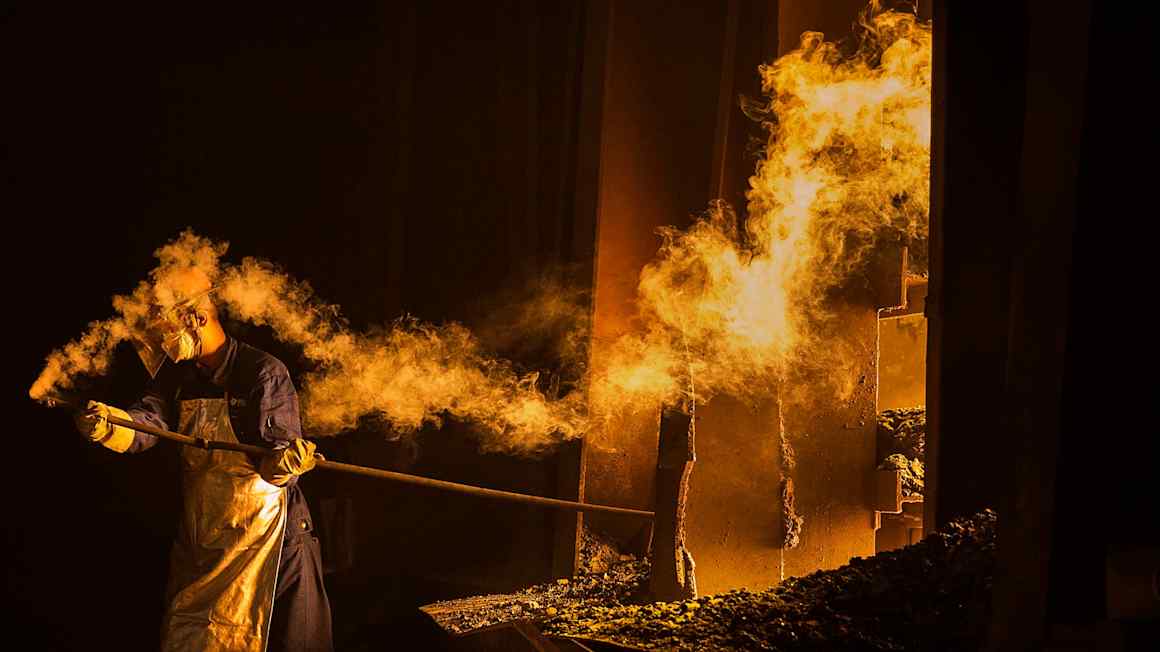
Societe Generale analysts suggest speculative bullishness towards the US Dollar, while remaining neutral on the Monday trading day. The Reserve Bank of Australia (RBA) controls the Australian Dollar (AUD) by setting the interest rates for Australian banks, influencing the overall economic interest rates. A major driver of AUD is the price of Australia's biggest export, Iron Ore, which accounts for $118 billion annually.
As a resource-rich country, Australia's economy is also influenced by China's performance, the health of its largest trading partner. The Australian Dollar reacts positively to higher Iron Ore prices and a positive Trade Balance, while negative prices and balances weaken the AUD.
Written by urgent.news from FXStreet's reporting — not their text. Machine-written — may contain errors; check the original before relying on it.