Apple Just Declared War on Smart Home Security
Starting this December, Apple’s unleashing its own version of the smart home. We saw what’s in store with our own eyes.
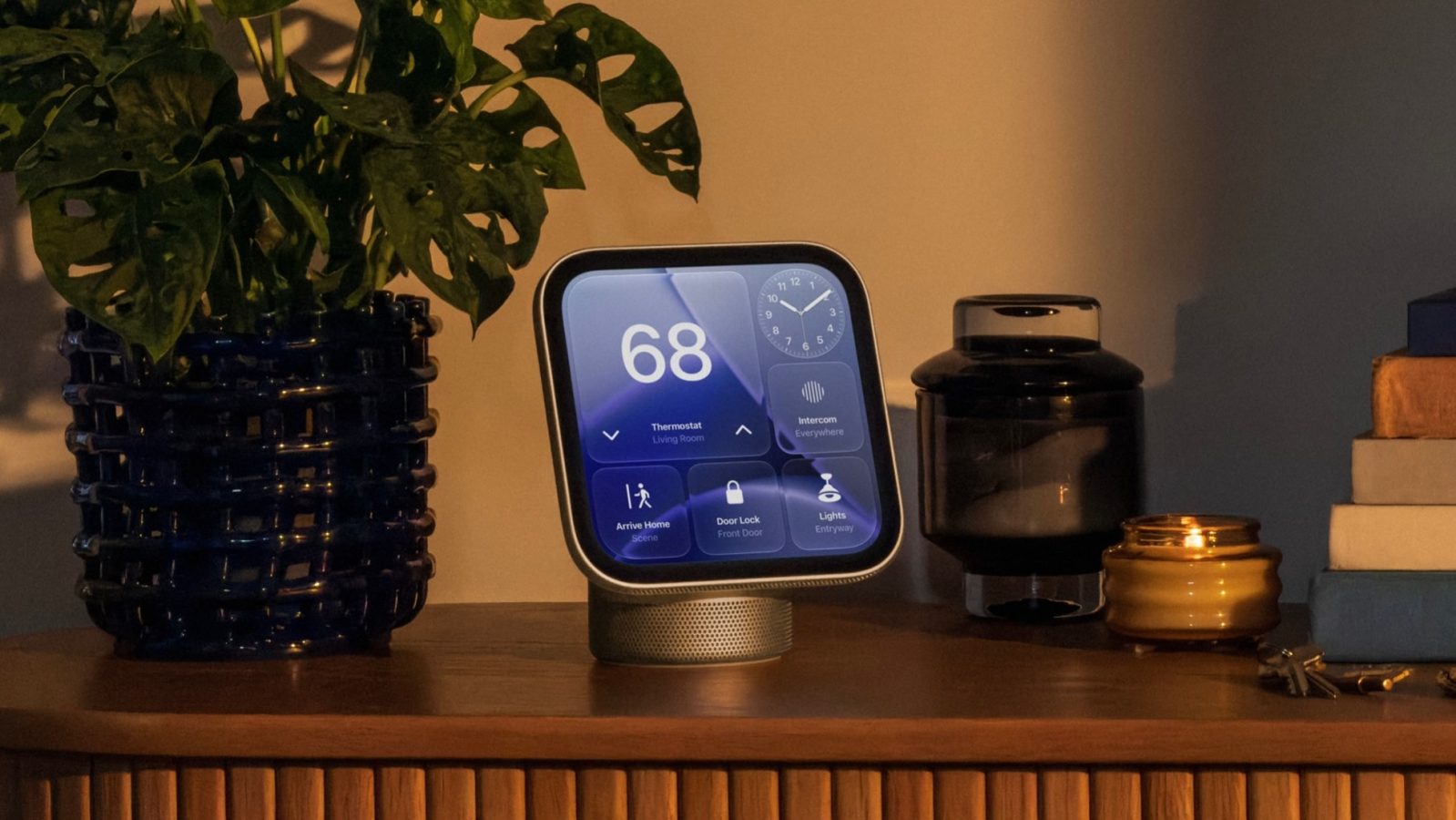
Apple's recent "Welcome Home" event signals a bold shift towards the smart home market, with the introduction of a comprehensive lineup of smart security accessories and devices. The company's long-standing hesitation to embrace the smart home sector, evident in past limited partnerships, has given way to a more aggressive approach this time around. Apple's new "HomeView" smart display marks the beginning of a series of products that promise a seamless, intuitive user experience.
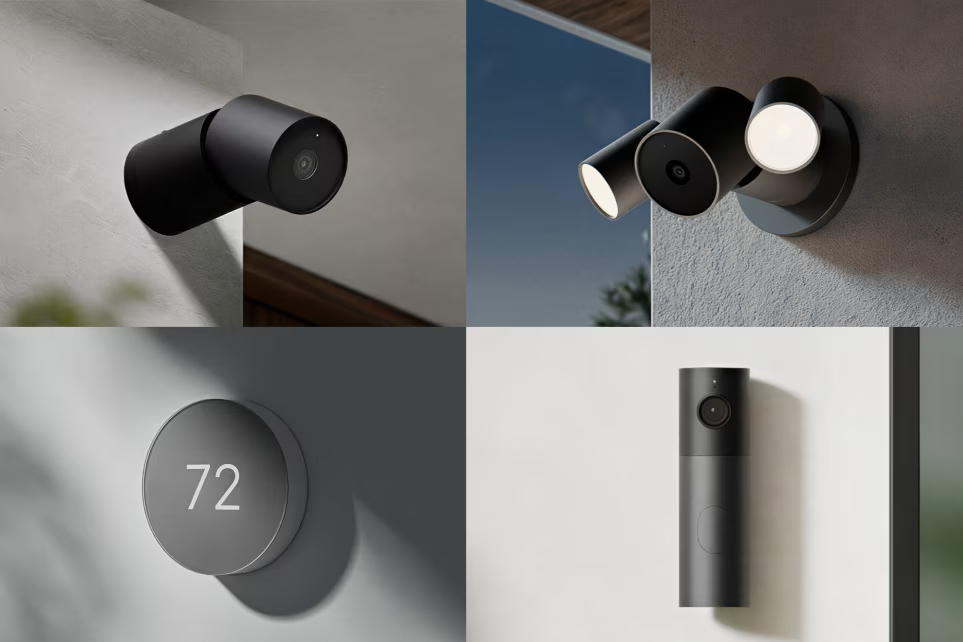
A standout in the lineup is Apple's partnership with LG to produce multiple smart security cameras, known for their high-resolution 2.5K displays. These cameras are designed to work seamlessly with Apple's ecosystem, integrating with TVs, HomeView, and HomePod speakers. The smart lock, featuring a unique circular keypad, represents a departure from traditional designs.
Priced at $349.95, it supports Apple Home Keys and auto-unlocking, while also being compatible with Matter and Aliro, ensuring compatibility with other smart home systems. Additionally, the lock can communicate with digital wallets, allowing for added convenience.
Among the cameras, the slim video doorbell stands out, offering a dual-camera design that captures both a broad view of the front yard and a detailed close-up of the porch and doormat. The indoor and outdoor cameras, priced at $199.95 and $299.95 respectively, boast advanced features such as automated tilting and privacy adjustments.
Notably, these cameras boast facial recognition capabilities, automatically labeling people, pets, vehicles, and packages. This feature, however, raises privacy concerns, as it could potentially fall under scrutiny due to evolving privacy laws and ongoing legal battles.
Apple's decision to venture into facial recognition technology, while commendable for its convenience, is met with resistance due to privacy concerns. Several states and cities have banned similar features, citing potential violations of privacy rights. Despite these challenges, Apple maintains that the Home app data is encrypted end-to-end, and neither Apple nor its partners can access the raw footage. The cameras will process data locally on an Apple Home hub or Private Cloud Compute, and store it securely in iCloud.
While Apple's entry into the smart home market is noteworthy, the inclusion of facial recognition features introduces a layer of complexity. The technology's controversial nature and the potential for privacy lawsuits add an element of risk. Nonetheless, Apple's commitment to integrating privacy features into its products, evident in the end-to-end encryption of data, reassures users about the security of their personal information.
As Apple takes the smart home market by storm, the industry will be watching closely to see how these innovative products and technologies will shape the future of smart home security.
Written by urgent.news from CNET's reporting — not their text. Machine-written — may contain errors; check the original before relying on it.