Analysis-’Brutal session’ for chip stocks shows AI trade is turning
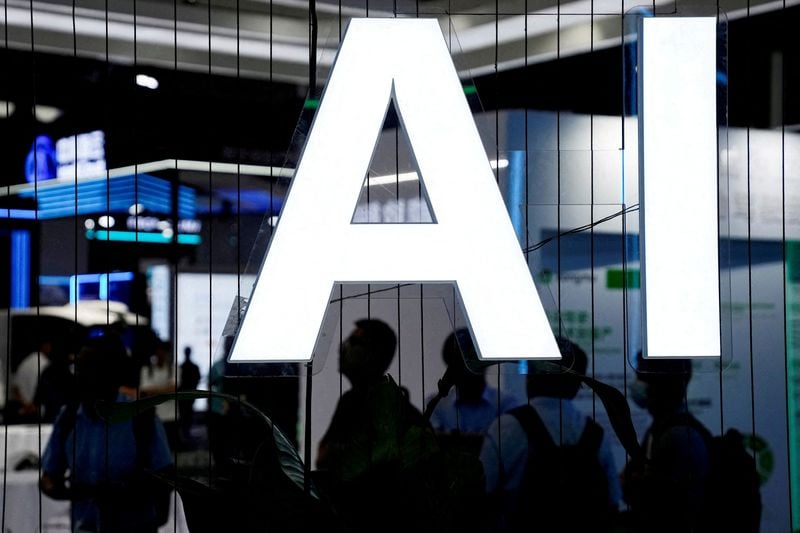
A selloff in AI supplier shares on Tuesday marked the strongest sign yet that the mood surrounding the trade of the decade is shifting, with rising concerns that interest rate hikes could potentially derail a spending spree larger than America's historic railroad boom. Since OpenAI's ChatGPT launch nearly four years ago, capital has flowed into semiconductor companies, data center operators, cable companies, and entities profiting from the unprecedented race to build computing infrastructure.
However, cracks in these bets started emerging in June and have since widened across markets. A data center IPO failed in Australia last week, and credit investors became increasingly selective regarding AI debt. In Asia, Korean chipmaker shares experienced a five-day selling spree, with the KOSPI index dropping more than 6%, while Tokyo's Kioxia lost 13%, contributing to AI-related losses.
The KOSPI is on its longest losing streak in over two years, falling a quarter from its July high, while Shanghai's tech-focused STAR Market has lost more than a third from July peaks. The main development has been not just higher bond yields but also increased bond market volatility, which is now affecting asset pricing across the board, according to Damien Boey, a portfolio strategist at Wilson Asset Management in Sydney.
Boey stated that the situation is uncomfortable on multiple fronts, and AI capital expenditure might be cooling, with some players potentially being casualties of this shift. The US benchmark Philadelphia semiconductor index fell 2.7% on Monday, and Seoul-listed chipmakers Samsung Electronics and SK Hynix dropped 10% and 8%, respectively.
On Monday, BlackRock's research arm downgraded its US stocks outlook to neutral due to potential AI buildout volatility, while turning bullish on short-term Treasuries. The International Monetary Fund warned on Tuesday about the potential global consequences of an AI correction, noting that while AI can contribute to growth, the expected economic gains from capability investments might not be as substantial as anticipated.
The mood shift is also evident in primary markets, with data center operator Firmus aborting a $5 billion IPO in Australia due to dwindling investor interest, highlighting the sudden risks becoming the primary focus for capital allocation in the sector. Tuesday's dollar and dim sum bond sale by Tencent Holdings in Hong Kong was the latest victim of such caution in debt markets, with 10-year dollar notes trading about 1.15 percentage points above Treasury yields, currently at 5.2%.
At financial conferences in Singapore, many emphasized that capital remains a significant constraint on growth. While Meta shares rose 3.4% on Monday following the release of a new AI model, many still view semiconductors as a warning sign. Marc Velan, head of investments at Lucerne Asset Management in Singapore, believes the brutal session in Korea reflects positioning and the cost of capital rather than a fundamental deterioration in AI demand.
Velan anticipates that markets will soon focus more on monetization and returns on invested capital, rather than viewing the AI trade as entirely over. However, he believes Korea could serve as an early warning sign of a broader market shakeout.
Written by urgent.news from Investing.com's reporting — not their text. Machine-written — may contain errors; check the original before relying on it.