A study unravels the genetic mystery of a cobra divided by sea
COLOMBO – Sri Lanka’s spectacled cobra (Naja naja) carries a two-million-year-old genetic mystery, and a new study finds that the island’s cobras form a genetically distinct lineage, reopening a taxonomic question raised by a Sri Lankan zoologist nearly nine decades ago. The study also established that the spectacled cobra has evolved from an African ancestor […]
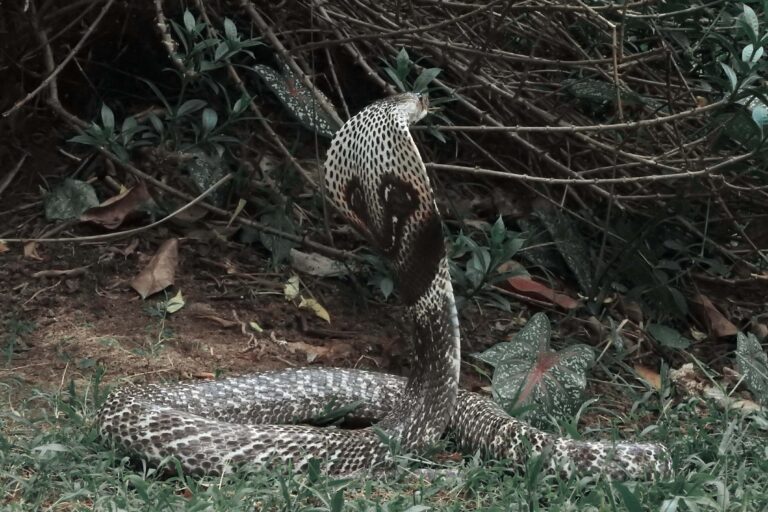
Colombo - Sri Lanka's spectacled cobra (Naja naja) harbors a two-million-year-old genetic enigma, as revealed by a recent study. This genetic divergence has reignited a taxonomic debate that began with a Sri Lankan zoologist's observations nearly nine decades ago. The study traced the cobra's lineage back to an African ancestor that reached the region via the Middle East.
The story originated in 1939 when zoologist P. E. P. Deraniyagala described a unique form of the spectacled cobra with distinctive eye-like markings on its hood. Initially classified as a color variation of the Indian spectacled cobra, Deraniyagala later proposed it as a distinct subspecies native to Sri Lanka. In 1945, he further categorized geographical races of the spectacled cobra across the Indian subcontinent.
A revised examination in 1960 consolidated these regional forms under the Naja naja classification. However, the mystery resurfaced in 2022 when a genetic study suggested resurrecting Deraniyagala's polyocellata as a separate species, designated as Naja polyocellata, due to significant genetic differences between Sri Lankan cobras and those from the Indian mainland.
In 2023, the proposal was met with skepticism. That year, herpetologists Wolfgang Wüster from Bangor University in the UK and Frank...
Written by urgent.news from Mongabay's reporting — not their text. Machine-written — may contain errors; check the original before relying on it.