50 years on, Legionnaire's disease cases are rising in Australia
In 1976, a serious pneumonia started killing veterans in the United States. Now, despite knowing the cause, cases of Legionnaires' disease are still on the rise.
In 1976, thousands of American Legion veterans convened at the Bellevue-Stratford Hotel in Philadelphia for a meeting. Tragically, some of them soon died of an unknown cause. This prompted an investigation by the US Centers for Disease Control and Prevention (CDC). The outbreak came to be known as Legionnaires' disease, named after the American Legion members who fell ill.
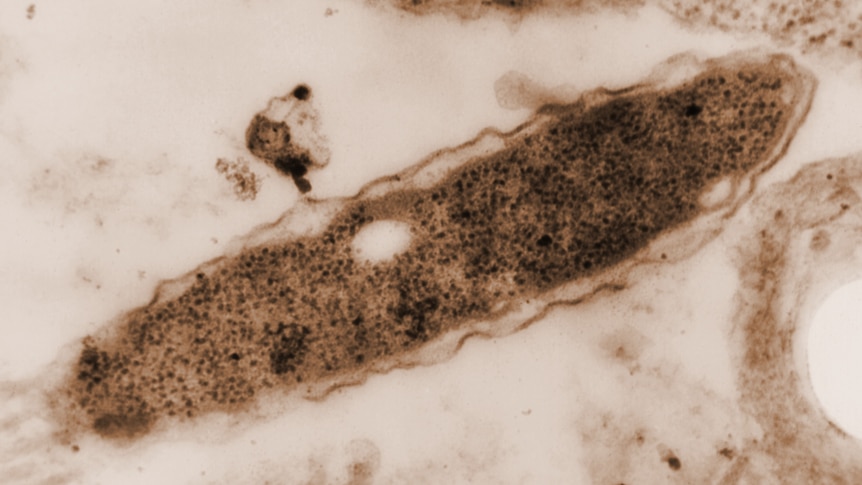
The disease seemed to be caused by a bacterium called Legionella pneumophila, which was discovered six months after the initial outbreak. The bacteria thrive in water cooling towers and can cause severe pneumonia in vulnerable individuals, such as the elderly and smokers. The first known case of Legionnaires' disease in Australia occurred in 1979.
However, the country's largest outbreak took place in April 2000, with 125 confirmed cases and four deaths. The source of the outbreak was traced back to the Melbourne Aquarium's water cooling towers. Since then, cases of Legionnaires' disease have been rising in Australia, particularly in New South Wales and Victoria, although the country has avoided major outbreaks in 2026.
Experts believe that the increase in cases can be attributed to factors such as the growing number of water cooling towers in big buildings and the aging population.
Written by urgent.news from ABC News AU's reporting — not their text. Machine-written — may contain errors; check the original before relying on it.