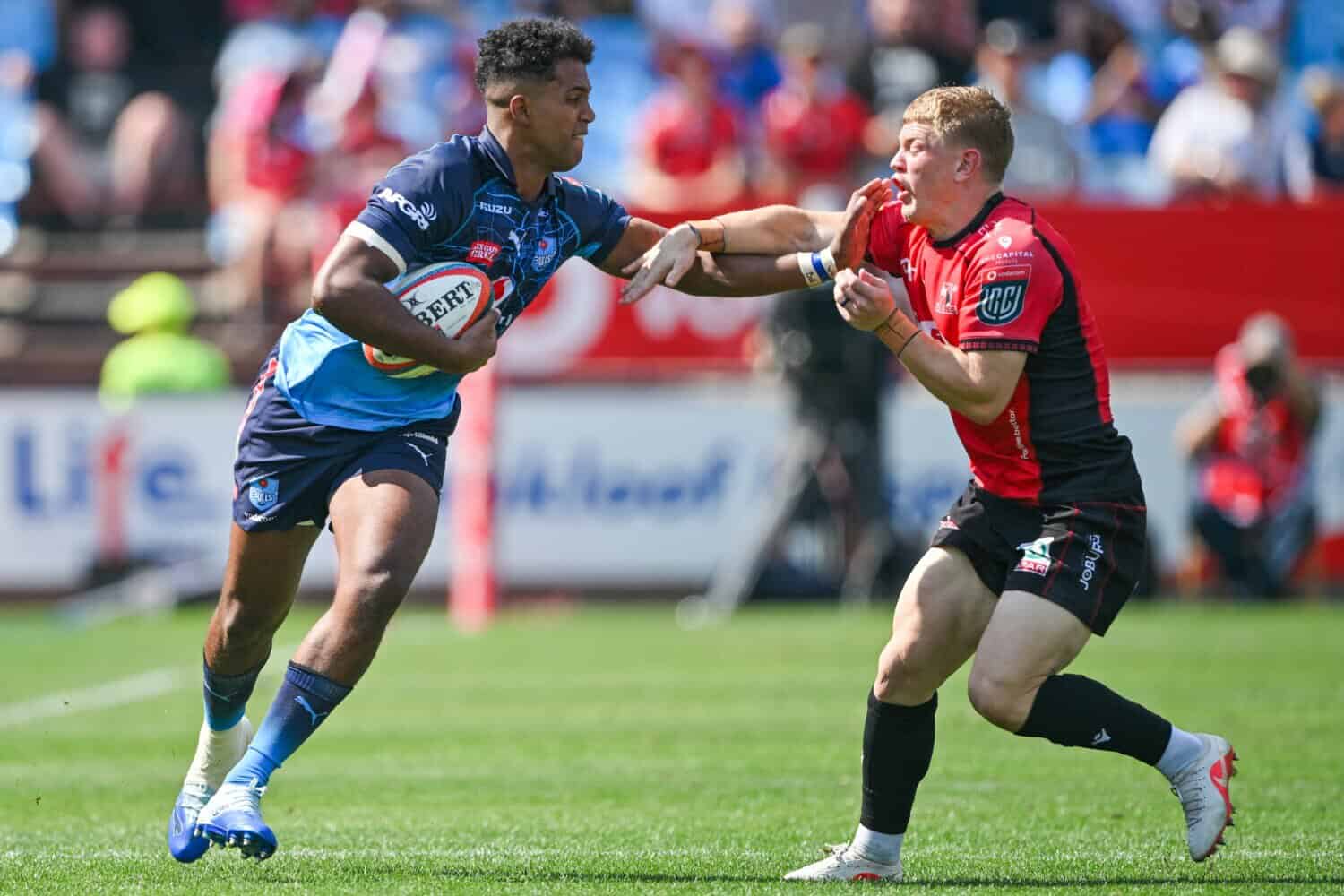
Women's billion-dollar boom leaves players behind, union says
Women's football is on course to become a billion-dollar industry, but many professional players are still earning low wages, working on insecure contracts and experiencing rising psychological stress, a Fifpro survey indicates.

Women's football is poised to become a multi-billion dollar industry, yet many top players remain underpaid, contractually insecure and facing rising mental health challenges, according to a new global survey by the players' union Fifpro. The survey, which polled over 800 women's footballers, found that 59% of respondents left the sport due to financial reasons, while 46% reported psychological stress - a significant increase from the 13% recorded in Fifpro's previous survey in 2017.
FifaPro's head of women's football, Alex Culvin, attributed the rise in financial insecurity and psychological stress to growing public visibility of the players, the need to subsidize low incomes, and inadequate support systems. Despite improved awareness of mental health issues, many players still felt they had to cope alone, lacking necessary support from their clubs and internationally.
The survey also revealed that most women players earn less than £15,000, with only 57% of professional players feeling their payment covered playing costs. Average salaries vary greatly by region, with African players earning as little as $480 (£363) per month, while North Americans earn up to $6,450 (£4,886). Furthermore, many players face precarious contract terms, with only two-thirds paid for the full 12 months and many having to work additional hours to make up for the rest of the year.
The rapid commercial growth of women's football has obscured the realities faced by many players, particularly in regions outside of the top markets. While FIFA's definition of a professional player requires a written contract and above-expense payment, only 78% of players in the survey had a written contract and 82% were paid by their club. Even among professional players, 42% were not provided with a pension plan.
Mental health support remains limited, with 24% of players reporting late payments over the past two seasons and 57% struggling with mental health, yet not receiving the necessary support. The survey highlights a widening divide within the women's game, with elite clubs and players benefiting from investment and visibility, while the majority of players remain vulnerable. Culvin believes there is a need for regulatory intervention to ensure adequate support and accountability for players.
Written by urgent.news from BBC Sport Football's reporting — not their text. Machine-written — may contain errors; check the original before relying on it.
This story
This is one outlet's version. Read the fullest account.