Wildlife Populations Have Plunged Globally, But Some Buck the Trend
This story was originally published by Inside Climate News and is reproduced here as part of the Climate Desk collaboration. A new report paints a dark picture of the state of global wildlife—but also highlights flickers of light where some populations are on the upswing. Over the past half-century, populations of thousands of vertebrate species across the globe have […]
A recent report reveals a concerning decline in global wildlife populations, but it also highlights some positive trends for certain species. Over the past 50 years, the average population size of thousands of vertebrate species has decreased by 73 percent globally. The primary factors contributing to this decline are habitat loss, overexploitation, and climate change. However, not all is lost; a significant portion of monitored species populations are stable or even increasing.
Lead author Rebecca Shaw of the World Wildlife Fund explains that while the report's headline statistic is stark, it is tempered by the reality of some species making progress. For instance, green sea turtle populations have seen a recovery after decades of concerted conservation efforts. The report emphasizes the importance of addressing biodiversity loss at a global scale by tackling the three main systems driving extinction: food, energy, and finance.
The Living Planet Report, released roughly every two years, gathers data from tens of thousands of populations of 5,790 vertebrate species.
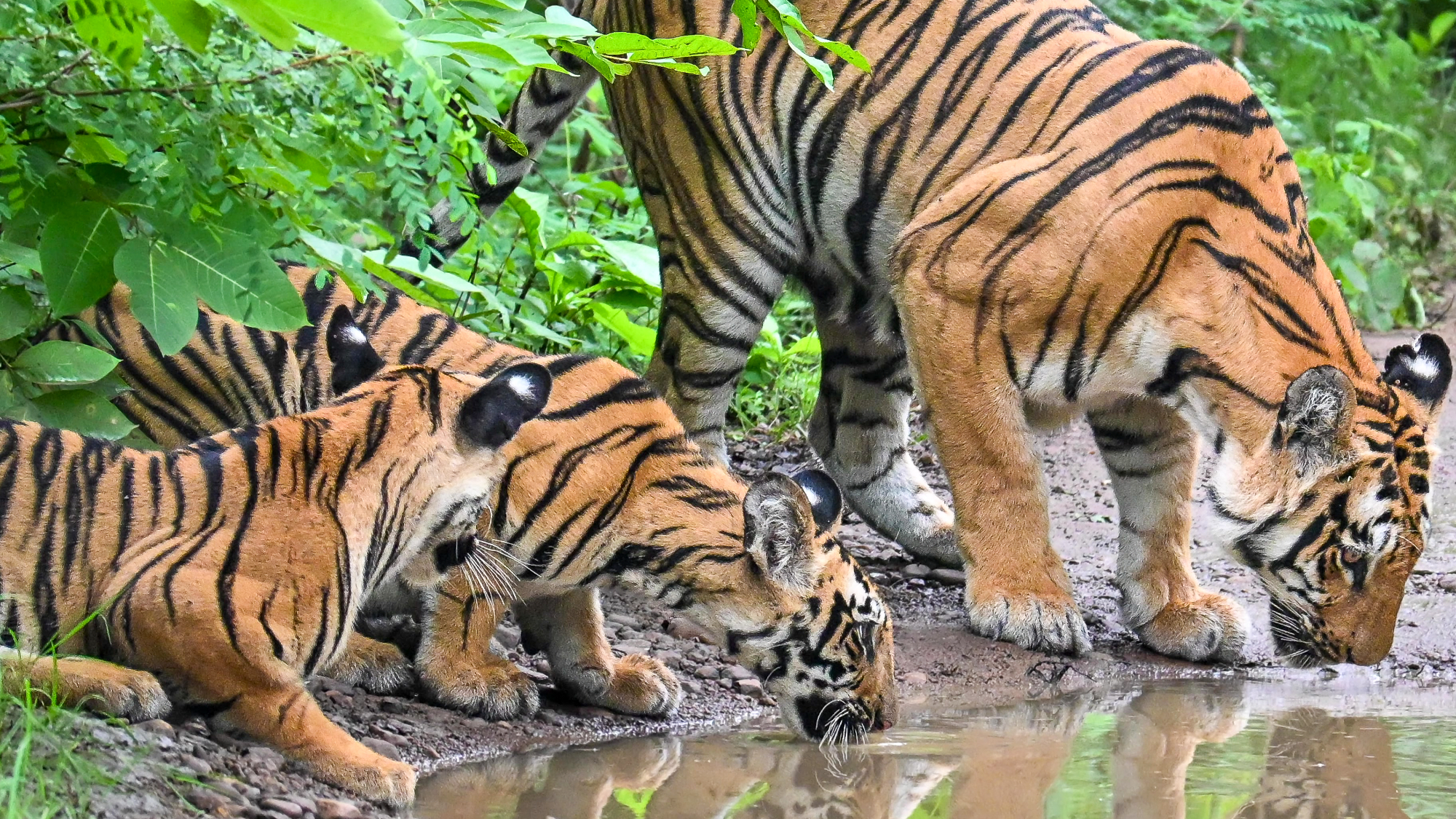
Despite the grim overall picture, there are still some hopeful signs. Tiger populations have increased by nearly 80 percent since 2010, and Southern African elephants have also seen population growth. Meanwhile, Latin America and the Caribbean have been the hardest hit, with an average 95 percent decline in monitored species since 1970.
Freshwater species have experienced the most dramatic decline, with an overall drop of 85 percent. This decline is attributed to pollution, overharvesting, and habitat loss caused by infrastructure like hydropower dams.
The report's authors stress that while the data may underestimate the true extent of biodiversity losses, it provides a valuable snapshot of the health of the environment. They also highlight the importance of continued conservation efforts to protect and restore endangered species and their habitats.
Written by urgent.news from Mother Jones's reporting — not their text. Machine-written — may contain errors; check the original before relying on it.