Why Moscow is staying tight-lipped on Trump's energy ceasefire
While Ukraine's Volodymyr Zelensky suggests he would sign up to a ceasefire on energy infrastructure, Russia has said little.
On Sunday, US President Donald Trump announced a ceasefire on strikes targeting energy infrastructure in Russia and Ukraine. Ukraine's President Volodymyr Zelensky suggested it was "news for me," while Russia has remained tight-lipped about the agreement. The Kremlin's spokesman Dmitry Peskov stated that contacts are ongoing and that they will inform the public once there is something to report.
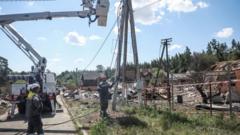
Meanwhile, pro-Kremlin media has hailed Trump's announcement as a "gift" for Moscow, claiming that Russia only needs to refrain from destroying Ukraine's last oil refinery. Kyiv, however, is not convinced that the ceasefire benefits both sides, as it would prevent Ukrainian forces from attacking Russia's numerous refineries. Ukraine's drones have already caused significant damage to Russian oil facilities and fuel shortages across the country.
Russian officials may exploit this situation to claim that Ukrainian aggression harms US economic interests and the Republican Party's chances in the midterm elections. Moscow hopes that any disruption to Ukrainian drone strikes on oil facilities will lead to a backlash in Washington and limit US support for Kyiv, including intelligence sharing and weapons sales.
The Kremlin has made it clear that they do not want a ceasefire but instead a lasting peace, which does not include any form of temporary cessation. With winter approaching, Russia is counting on continued strikes to increase pressure on Ukraine and force it to accept Russia's terms for peace.
Written by urgent.news from BBC News's reporting — not their text. Machine-written — may contain errors; check the original before relying on it.
This story
This is one outlet's version. Read the fullest account.