Who will win the Nobel economics prize? Behavioural science and money policy in the running
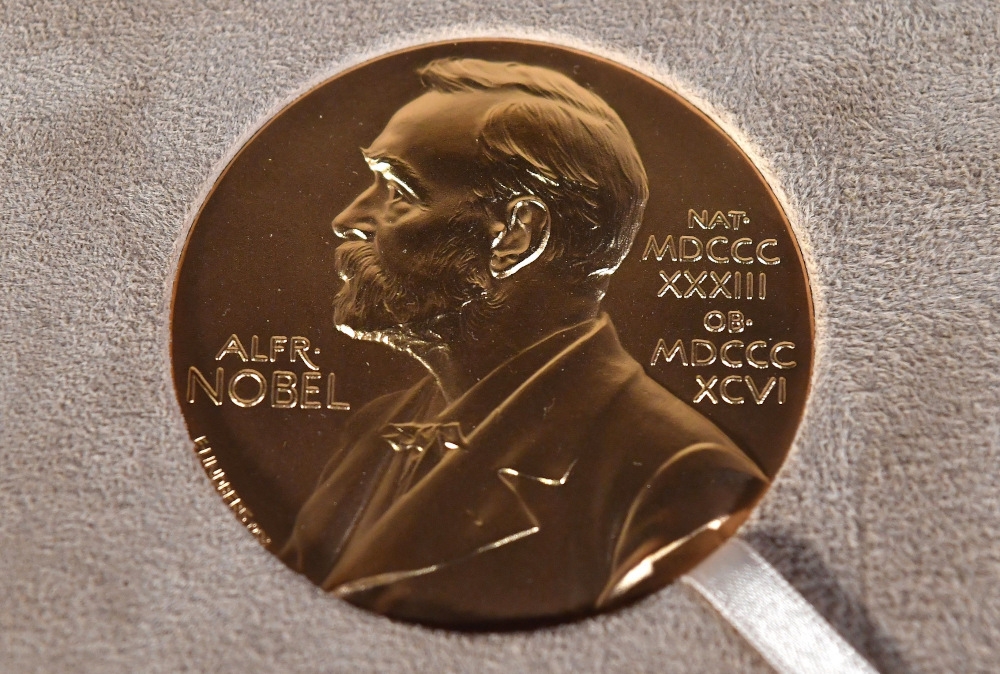
The 2026 Nobel Economics Prize looms on the horizon, with several fields vying for recognition. Monetary policy, technology, behavioural economics and development are among the frontrunners. Last year's laureates, American-Israeli Joel Mokyr, France's Philippe Aghion and Canada's Peter Howitt, explored how technology drives and shapes growth.
Experts predict American Colin Camerer, George Loewenstein and Matt Rabin as frontrunners in behavioural economics, while Michael Woodford is a strong contender in monetary policy. Michael Woodford's influential 2003 book may have contributed to this likelihood. Nobel committees often award research about 20 to 25 years after its publication, allowing time for the findings to prove their long-term relevance.
Societal issues can also sway the committee's decision, although Tore Ellingsen, a former Nobel committee chair, stresses that scientific weight and practical importance are the key factors. In recent years, the economics prize has been the only Nobel not among the original five, earning only three women laureates out of 99. However, this trend is gradually changing, with American economist Susan Athey emerging as a top favourite for her research on technology's impact on markets and public policy.
Written by urgent.news from Malay Mail's reporting — not their text. Machine-written — may contain errors; check the original before relying on it.
This story
This is one outlet's version. Read the fullest account.