Which Southeast Asian country has the cheapest household electricity?
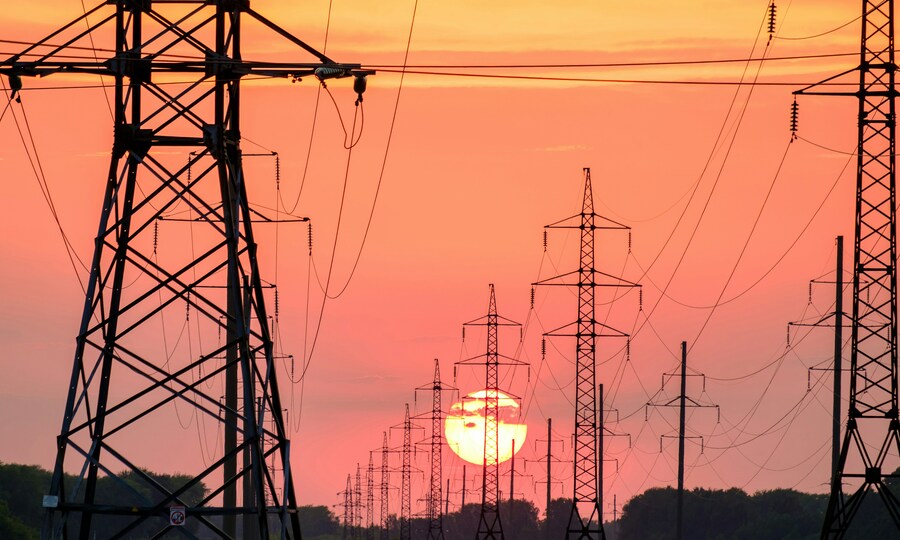
Electricity in this country costs 2.5 cents per kilowatt-hour, making it the cheapest in Southeast Asia.
The most notable shift in US-China trade this year is not new tariffs, but a more managed and transactional relationship between the world's two biggest economies. President Donald Trump's May visit to Beijing set the tone for this new approach, establishing Boards of Trade and Investment, committing China to purchase $17 billion of US agricultural products annually, and cementing Boeing aircraft deals.
However, this does not mean strategic rivalry has disappeared. Rather, it has evolved into a managed coexistence, with certain trade and investment areas kept open while competition persists in other sectors. For Southeast Asian businesses, this means adjusting their strategies. No longer can they assume China+1 will remain a viable model; instead, they must focus on advanced manufacturing, digital infrastructure, engineering talent, energy reliability, and access to multiple markets.
Singapore, in particular, plays a crucial role as a trusted infrastructure provider for regional commerce. Companies must now consider geopolitical scenarios as part of their commercial planning, map exposure to third-tier suppliers, and stress-test how export controls and origin rules could affect their products. The new US-China trade order is characterized by managed rivalry, where competition is tempered by selective deals that serve both sides' interests.
Rewritten by urgent.news; may contain errors — check the original.
Sources: e.vnexpress.net · e27.co
This story
This is one outlet's version. Read the fullest account.