What public officials must ask: Whom do we serve?
At the core of discussions surrounding the integrity of institutions lies a pivotal inquiry: How ought a public official to act ethically? When the sacredness of electoral votes wanes, infrastructure falters, and medications and food products are compromised, the question arises: What should steer a civil servant? If Mahatma Gandhi, Sardar Vallabhbhai Patel, Lal Bahadur Shastri, and Deen Dayal Upadhyaya were still alive today, what guidance would they provide to those serving in public roles?
The Mahatma’s most often quoted advice is: "Whenever you are uncertain, or when your sense of self (ego) begins to dominate, subject this test to scrutiny. Reflect on the visage of the poorest and weakest person you have ever encountered and question whether your forthcoming action will benefit them. Will it enhance their situation?
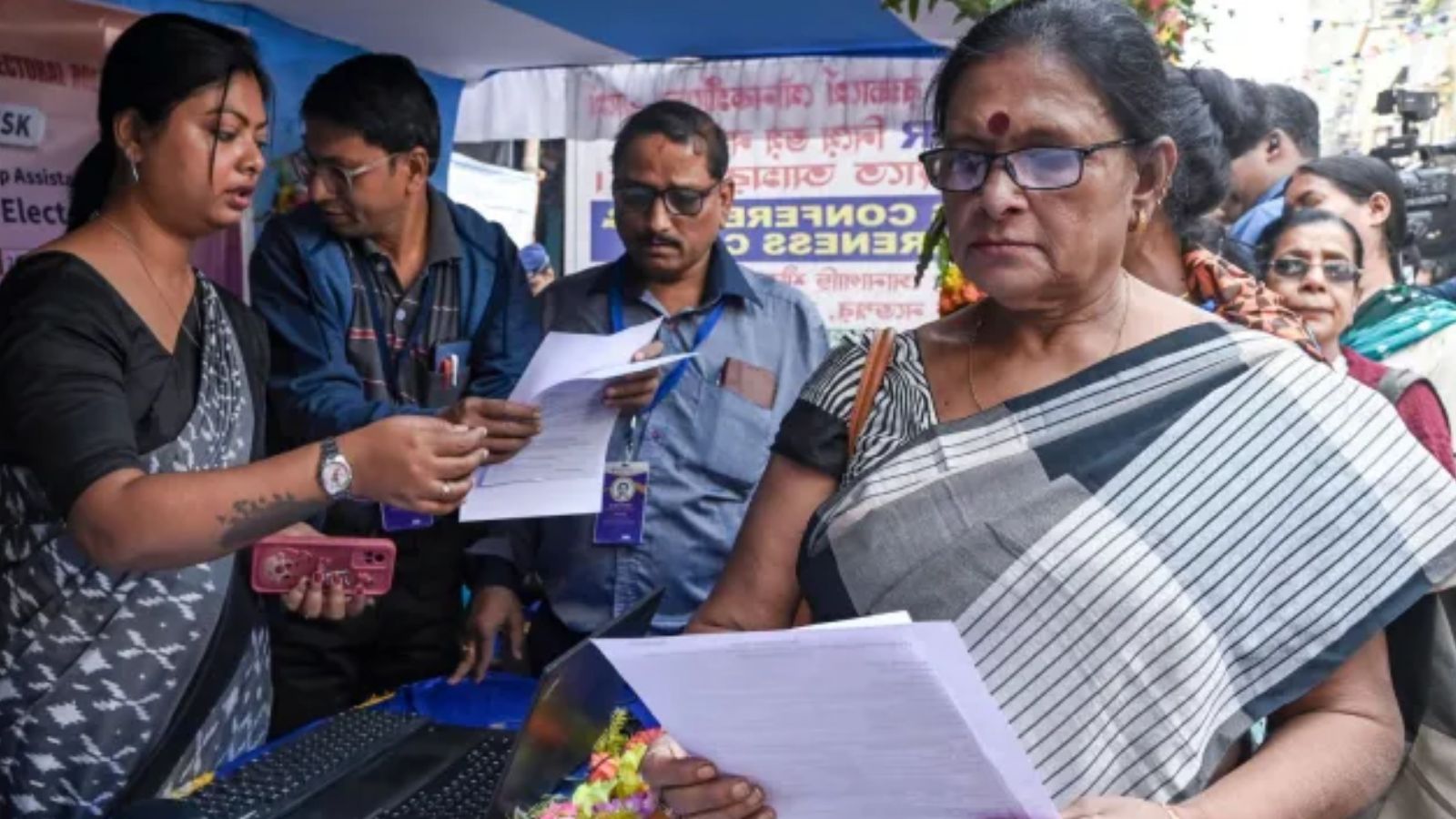
Will it empower them to regain control over their life and destiny?" To Gandhi, public office represented a form of trusteeship, with authority and resources entrusted for the people, particularly the impoverished. Whenever statutory parameters concerning electoral registers are modified, government officials must remember the vulnerable individual who, lacking a school-leaving certificate, stands in line with her Aadhaar card in a plastic bag, requesting to be registered.
As Minister of Home Affairs, Shastri grasped the weight of referrals within public administration. He reportedly noted that seasoned civil servants could recite regulations adeptly but seldom contemplated future possibilities or innovation. He knew officials by name and made a point of addressing them personally. For Shastri, character mattered more than authority.
Access to government services should not hinge on recommendations or proximity to VIPs; no one should be able to bypass the line due to privilege. Patel espoused the bravery to express one's thoughts as a requisite for a public servant. His law secretary, Shavak A Lal, once drafted a legal perspective on an issue raised by Lord Mountbatten but hesitated to present it, fearful it might conflict with Patel’s stance.
Upon learning of this, Patel reportedly remarked, "Does the government compensate you for your dishonest opinion? The remuneration for your profession is providing an honest opinion; it is my prerogative to accept or reject it." He anticipated secretaries to record their perspectives even when divergent from his own and believed those unwilling to do so should relinquish their positions.
Patel's dedication to integrity extended beyond paperwork. V Shankar, an Indian Civil Service (ICS) officer who served as his private secretary from 1946 until Patel's demise, recounted an incident during the tumultuous aftermath of Partition. Upon learning of a mob gathering at the shrine of Nizamuddin Auliya in Delhi, Patel accompanied Shankar.
They ventured into the shrine, conversed with the people, and cautioned the police that further disturbances would result in their dismissal. This episode exemplifies the qualities Patel expected of officials: unwavering integrity in high-pressure situations and readiness to promptly enforce the law and safeguard minorities. For Upadhyaya, antyodaya—uplifting the last person—signified the overarching moral directive.
His philosophy provides civil servants with a clear ethical compass: assess every choice based on its effect on the most disadvantaged; regard public office as dharma, rather than simply a career; fortify local institutions; and remain morally detached from both political factions and bureaucratic departments. When confronted with an ethical quandary, an official must ponder: Whom do we serve?
That remains the fundamental question—and one we must answer if we aspire to restore public confidence in institutions.
Written by urgent.news from The Indian Express's reporting — not their text. Machine-written — may contain errors; check the original before relying on it.