What caused a mysterious atmospheric explosion in Siberia in 1908?
Fire erupted in the morning skies over Siberia on June 30, 1908, as an atmospheric explosion occurred that remains unmatched by any similar event in modern history.
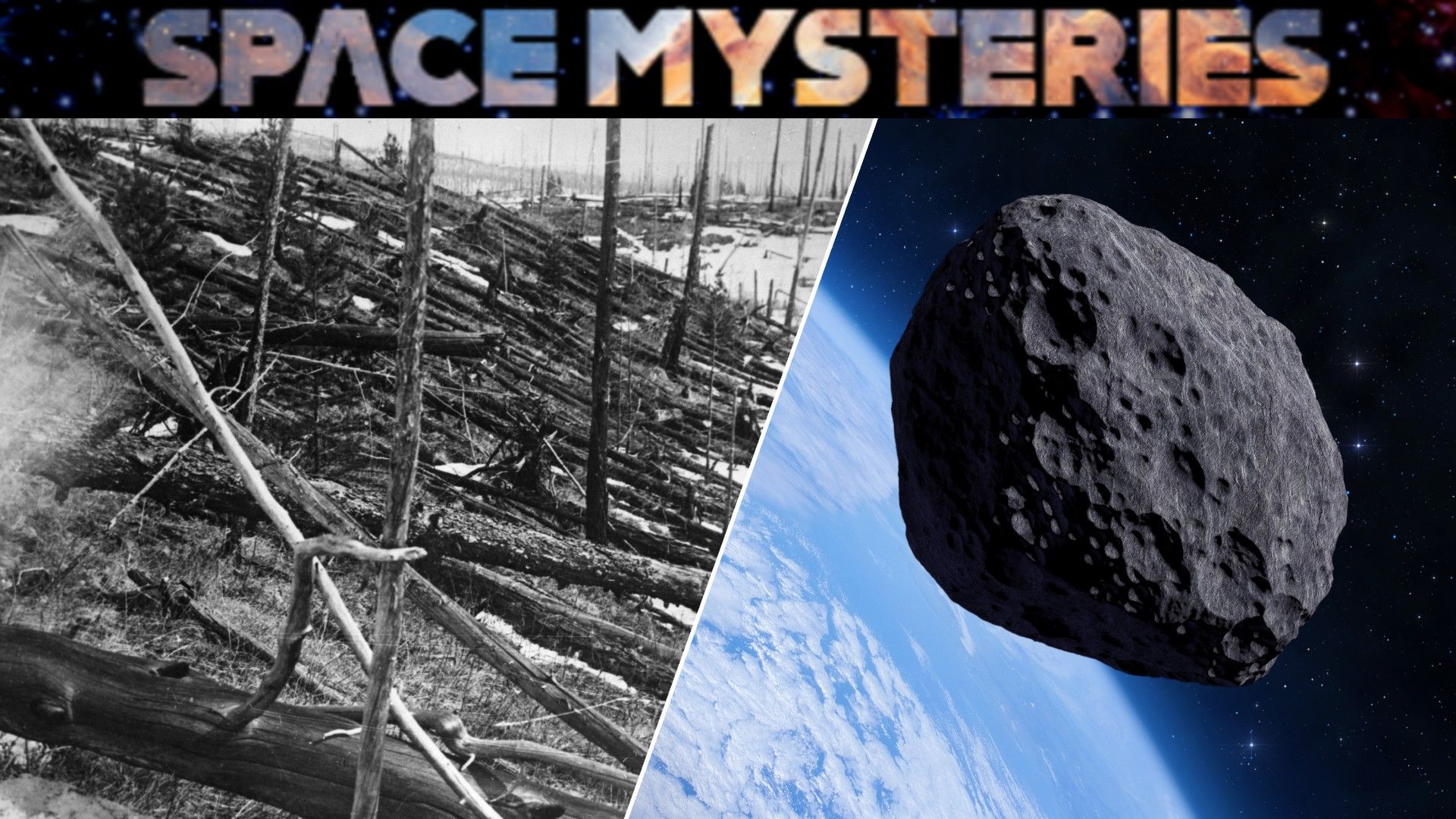
On June 30, 1908, a mysterious explosion occurred in Siberia, known as the Tunguska event. At around 7:15 a.m. local time, a brilliant fireball entered Earth's atmosphere over the remote Tunguska region, trailing smoke across the dawn sky. The resulting shock wave knocked people off their feet and caused significant damage to dwellings and livestock.
Seismic instruments logged tremors hundreds of miles away, and the blast's energy was enough to flatten a vast stretch of Siberian wilderness. However, the cause of the event remained unknown for many years. Scientists now believe that a small asteroid, estimated to be 130 feet (40 meters) in diameter, exploded after entering Earth's atmosphere.
The location of the event was extremely remote, making scientific investigations challenging. The First World War, Russian Revolution, and subsequent civil war further complicated the situation. Despite extensive expeditions and aerial surveys over the decades, no impact crater was found at the presumed epicenter. This suggests that the object likely exploded high in the atmosphere, causing destruction below.
The Tunguska event remains an important reference for modern planetary defense efforts, as even a Tunguska-scale event could cause widespread damage and loss of life if it occurred over a densely populated area today.
Written by urgent.news from Space.com's reporting — not their text. Machine-written — may contain errors; check the original before relying on it.