'Wake-up call for the world' as UN global poverty index rises for first time since 2010
A United Nations global poverty index has risen for the first time since its creation in 2010, bringing the number of people affected to 1.2 billion, the United Nations Development Programme (UNDP) reported Monday. In the 2026 edition of their annual report, the UNDP and the Oxford Poverty and Human Development Initiative research center counted 51.5 million more people living in “acute” poverty…
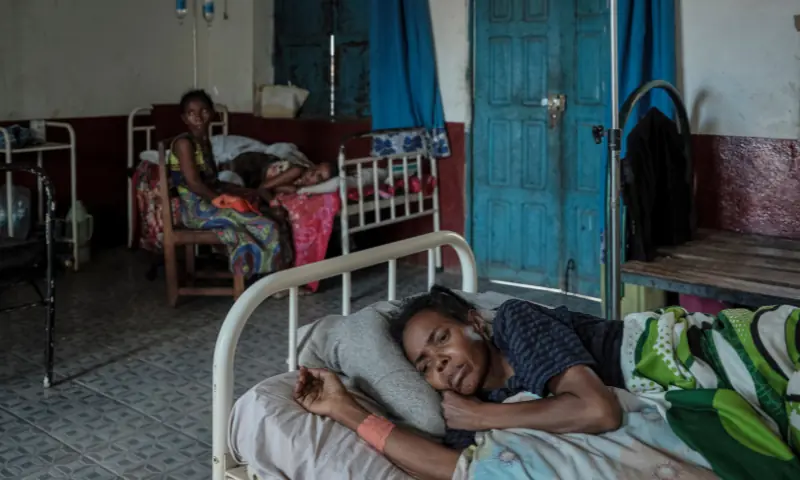
The United Nations has reported a rise in global poverty for the first time since the index's inception in 2010, with 1.2 billion people now classified as living in poverty, according to the 2026 annual report. This figure represents a 51.5 million increase from the previous year. Alexander De Croo, the UNDP Administrator, emphasized that this rise should serve as a "wake-up call for the world," highlighting that the 1.2 billion people affected face interconnecting hardships, including hunger, inadequate schooling, and lack of access to clean water and electricity.
The UNDP attributed the increase primarily to population growth, noting that data was only available for 13 out of the 108 developing countries covered in the report. Despite this, the report also revealed a mix of progress and stagnation in poverty reduction efforts. While 33 nations have managed to halve the percentage of their populations living in poverty over the past 15 years, improvements have been uneven.
Rapid progress has been observed in several Asian countries, particularly China and Vietnam, while some African nations, including Egypt, Nepal, and Tajikistan, have shown significant decreases in poverty rates and multidimensional poverty.
However, the majority of the world's poorest individuals continue to reside in sub-Saharan Africa and South Asia, with Egypt, Nepal, and Tajikistan witnessing substantial declines in both poverty rates and numbers. In contrast, Angola and Zambia experienced poverty rate reductions, but population growth negated these gains, leading to an overall increase in poverty.
The poverty index, which assesses factors such as access to adequate housing, sanitation, electricity, cooking fuel, food, and education, underscores the persistent challenges in global poverty alleviation.
Written by urgent.news from Dawn's reporting — not their text. Machine-written — may contain errors; check the original before relying on it.