US and regional allies shielded by ‘world's largest air-defence umbrella’, says Centcom chief
The US and its regional allies are deploying the “largest air-defence umbrella in the world” to deter Iranian attacks, US Central Command chief Adm Brad Cooper said, describing the effort as part of an “enduring security architecture” in the Middle East. The senior US commander was speaking in a recorded message at Trends Global's sixth annual conference in Abu Dhabi on Monday, days after a…
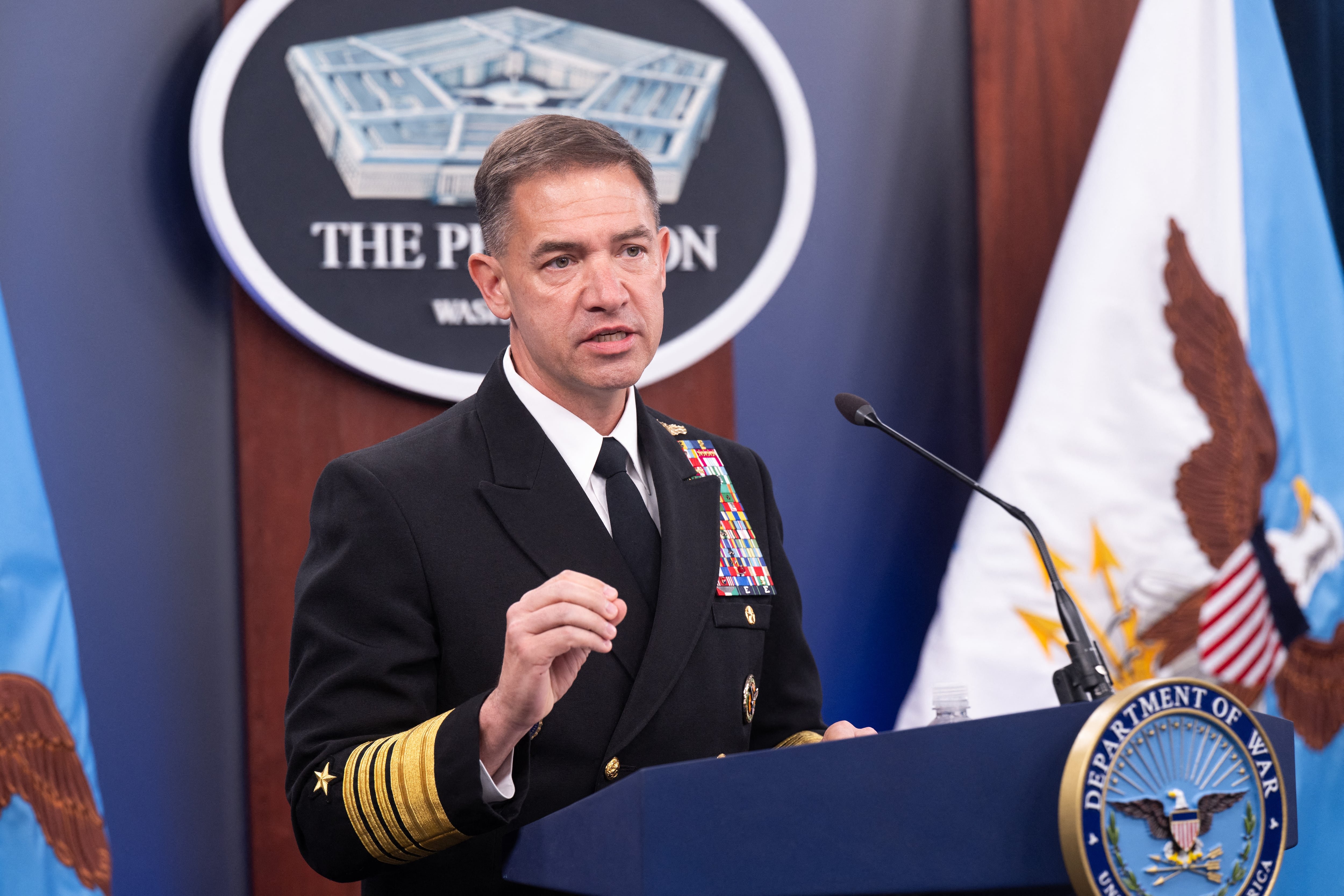
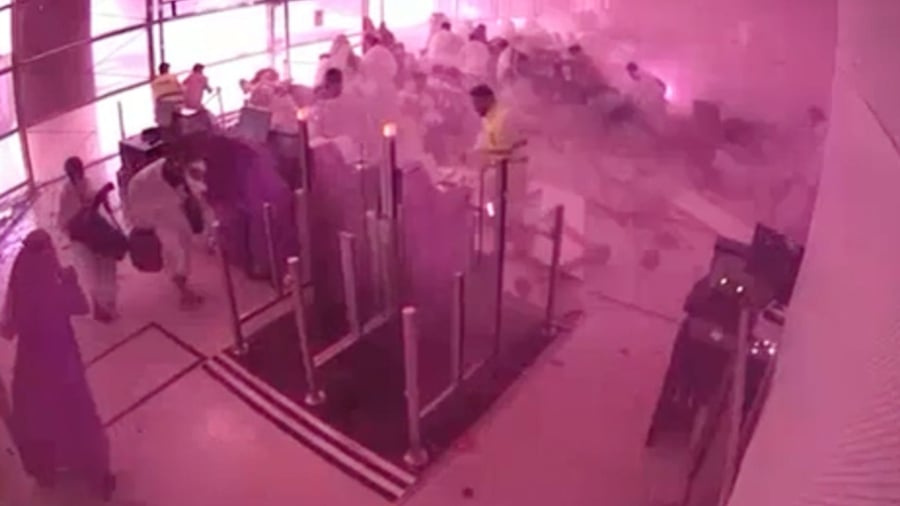
The United States and its regional allies are bolstered by what US Central Command chief Adm Brad Cooper has called "the largest air-defence umbrella in the world" to fend off potential Iranian aggression. This defensive measure, part of a long-standing security architecture in the Middle East, was highlighted by Cooper in a recorded message at the Trends Global's sixth annual conference in Abu Dhabi, days after the Houthis attacked Riyadh's main airport, causing 13 deaths and over 300 injuries.
Cooper described the joint missile defense effort as a "military partnership in action," emphasizing its transformation from a distant goal to a tangible reality. This partnership, forged through training and operational coordination, allowed US air defenders to stand alongside allies and partners in real time, intercepting thousands of Iranian attack drones and missiles.
Speaking at the Ritz-Carlton, Cooper highlighted the critical role of collective security, stating that sustainable security is not merely the absence of conflict, but rather the presence of robust systems, partnerships, and interoperability. He stressed that these military partnerships, based on mutual trust, are essential in managing threats before they escalate into crises.
Iran's pursuit of a "ring of fire" around Israel has only solidified its own fate, according to US Ambassador to the UN Mike Waltz. Waltz argued that Iran's isolation is its own making, with countries like Lebanon, Iraq, and Syria refusing to be treated as Tehran's pawns on an Iranian chessboard.
The ongoing Iran conflict, which began in late February, has persisted for nearly eight months without a clear resolution. Though Iran and the US have exchanged proposals to end the conflict and reopen the Strait of Hormuz, tensions remain high. President Trump has rejected Tehran's latest offer, hinting at possible military escalation following the US midterm elections.
The conflict's spillover into the region, exemplified by the recent Houthis' attack on Saudi Arabia's King Khalid International Airport, further underscores the growing instability in the Middle East. As the administration considers retaliating against the Houthis, the prospect of renewed conflict appears increasingly likely, despite previous reluctance to engage in another front.
Written by urgent.news from The National UAE's reporting — not their text. Machine-written — may contain errors; check the original before relying on it.
This story
This is one outlet's version. Read the fullest account.