UK finance minister to call for big economies to get borrowing under control at IMF
BANGKOK: British finance minister John Healey will stress the importance of budget discipline and improving resilience to geopolitical shocks when he meets his foreign counterparts on his first trip to the International Monetary Fund’s annual meetings this week.
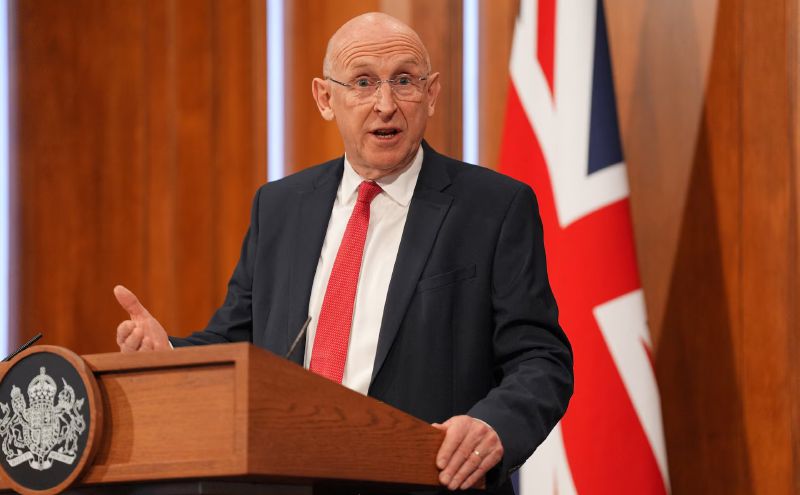
British Chancellor of the Exchequer, John Healey, will advocate for fiscal responsibility and enhanced resilience against geopolitical disruptions during his inaugural visit to the International Monetary Fund's (IMF) annual gathering this week, according to a statement released by his office. Healey's primary objective during the meetings is to collaborate with global allies to maintain trade flow, safeguard households and enterprises, and bolster Britain's economic stature and robustness.
The UK finance minister will contend that prominent economies require dependable strategies to curb borrowing, following comparable appeals made last week by IMF Chief Economist Kristalina Georgieva and Bank of England Governor Andrew Bailey. The IMF and World Bank are set to convene in Bangkok this week, where finance ministers and central bank leaders will deliberate on the ramifications of the escalating conflict in the Middle East on energy costs and inflation.
Healey is scheduled to converse with Ukrainian Finance Minister Sergii Marchenko, among other attendees, about fostering resilience. In recent weeks, borrowing expenses for major economies have reached their highest levels in decades, fueled by apprehensions about inflation sparked by the US-Iran war, extensive government borrowing, and the necessity for higher interest rates.
Healey has reiterated his commitment to implement "fiscal discipline" during his inaugural budget on October 28, when he must take measures to adhere to plans aimed at curbing borrowing amidst rising debt interest costs and a desire to allocate greater resources to defense and energy cost reduction. The Institute for Fiscal Studies estimates that Healey will require £36 billion in tax increases, equivalent to a 3.0 percentage point hike in the standard income tax rate, to fully compensate for the deterioration of government budgets due to heightened inflation and finance extra defense spending.
Written by urgent.news from New Straits Times's reporting — not their text. Machine-written — may contain errors; check the original before relying on it.
This story
This is one outlet's version. Read the fullest account.