Two-state solution a 'trap we set for Israel,' Lebanon-based Fatah official brags
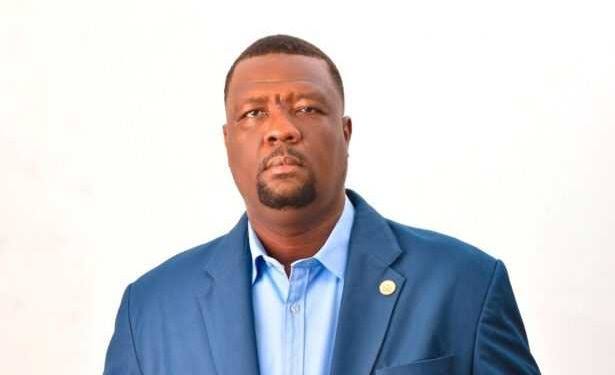
A senior official of Fatah, the ruling faction of the Palestinian National Authority, has claimed that the two-state solution is nothing more than a trap set by Israel for itself. Basel Abu Shahab, secretary of the Fatah movement in the Burj al-Shemali refugee camp in Lebanon, made these remarks during an interview with Palestine TV. He asserted that Israel "has reason to fear us," and projected an image of a future Palestinian state that could surpass Israel in capability within two decades.
Abu Shahab, son of the late Maj.-Gen. Jalal Abu Shehab, also known as Abu Basel, envisaged a Palestinian state with an aircraft industry and industrial sector that would rival Israel's. He believed that establishing a Palestinian state would spell the end of the Israeli entity and global Zionism. The official referred to fighters in a positive light, highlighting past terrorist operations, particularly the abduction of Israeli watchman Shmuel Rosenwasser by Fatah in December 1969, as evidence of their resolve.
While expressing nostalgia for Fatah's past involvement in abductions and attacks, Abu Shahab acknowledged the benefits of handing over weapons to the Lebanese state, which now enables Palestinians and Syrians in the camp to access construction materials and enhance living conditions. However, he criticized the ongoing anti-Palestinian racism and restrictions in Lebanon, attributing these to growing security concerns in the region.
In an effort to improve the image of Palestinians in Lebanon, Abu Shahab highlighted Fatah's funding of the 133-member folk dance troupe, Siraj al-Awda, which had helped the movement enter areas otherwise inaccessible due to political sensitivities. Despite Fatah's operations within Lebanese territory, the official acknowledged that security concerns have hindered the organization from holding a high-ranking meeting of the Palestinian National Council in Lebanon.
Abu Shahab cautioned against attempts to exploit divisions within the movement and urged Fatah members to refrain from criticizing their leader, emphasizing the importance of unity to strengthen the organization. He concluded his remarks by urging Fatah members to remember the sacrifices of martyrs and the blood of those who gave their lives for the cause, maintaining that God's protection of Fatah stems from these sacrifices.
Written by urgent.news from Jerusalem Post's reporting — not their text. Machine-written — may contain errors; check the original before relying on it.