Trump’s Message to Ukraine Is Now Crystal Clear
The president’s actions over the past 72 hours look like an effort to force Kyiv to surrender.
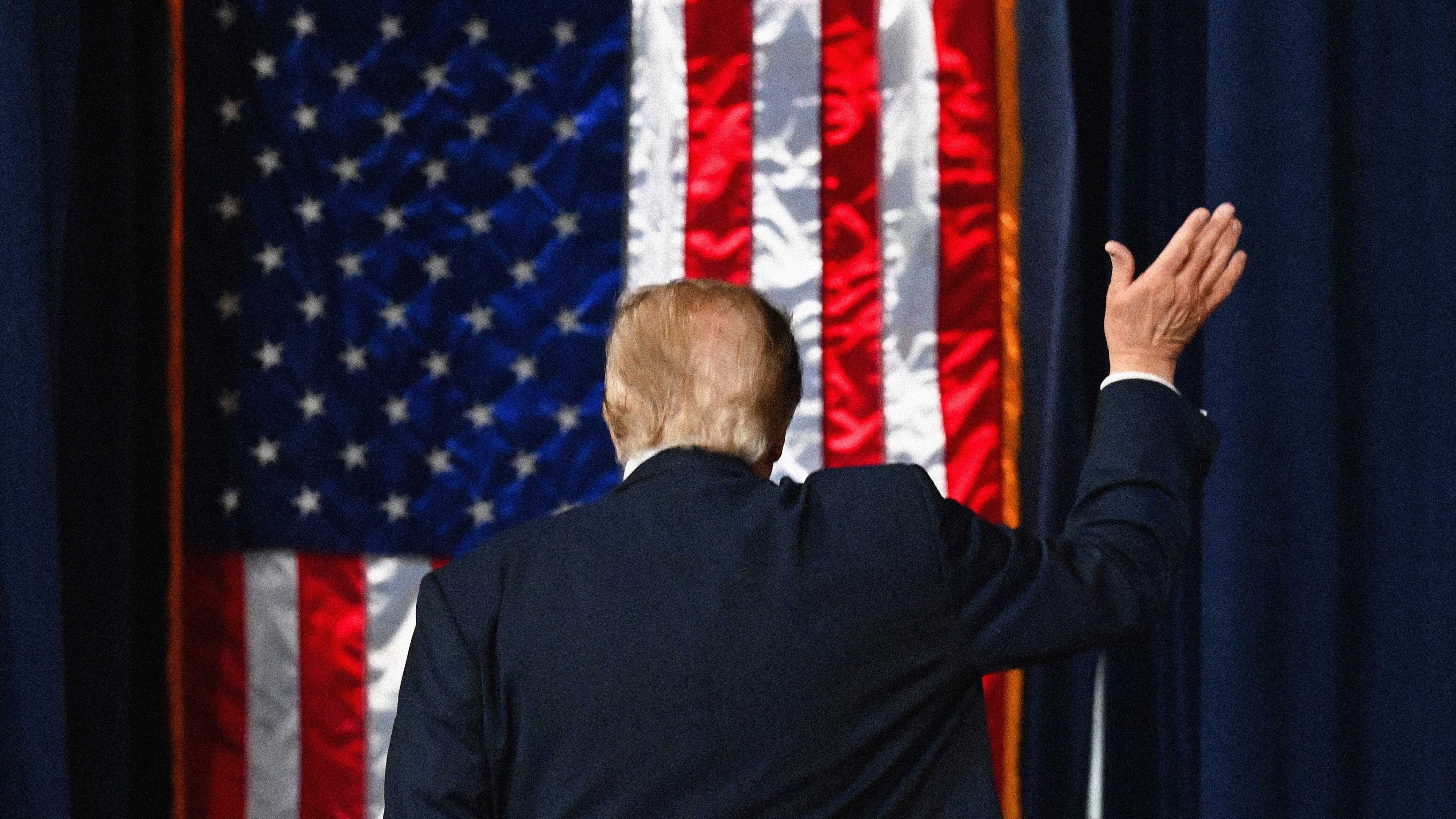
In a matter of just three days, former President Donald Trump has abandoned all previous policies and undermined a significant amount of diplomacy. He lifted sanctions on Russian diesel fuel imports, moving against laws he himself had signed. Trump threatened to cease intelligence sharing with Ukraine, demanding they refrain from targeting Russian refineries, effectively asking Ukraine to surrender its most potent weapon for no reciprocal benefit.
He has shown no remorse for Russian attacks on Ukrainian facilities, including those owned by American companies. He has provided no condolences for the recent loss of Ukrainian lives in Russian bombings. Trump has made numerous deceptive statements, including claiming that Ukraine and Russia had agreed to an "energy cease-fire", though this was met with immediate Russian retaliation.
He accused Ukraine of obstructing negotiations, whereas it's the Ukrainians who have repeatedly proposed cease-fires, which Russia has never agreed to. Trump referred to Ukraine's democratically elected leader as an obstruction to peace and advised him to step down. Before implementing these new measures, Trump conversed with Russian leader Vladimir Putin, a conversation that could potentially end the conflict.
The only requirement for Putin is to instruct his troops to cease fighting, thereby concluding the war. However, Trump seems unconcerned. Trump suggested that his new policy aims to reduce fuel prices for Americans, possibly to convince voters that the cause of rising costs is Ukraine and not his ongoing war in Iran. Yet, this rationale is insufficient to justify such drastic actions.
The quantity of fuel Russia could export is minimal, its impact on prices negligible, and the message is too late to influence electoral results. Instead, it appears to be a desperate attempt to force Ukraine's surrender and potentially secure lucrative business deals for Russia, possibly related to the Nord Stream gas pipelines, Arctic mineral mining, and assets frozen in European banks, among others.
Over the course of Trump's second term, allies have tried to convey to him the gravity of the Russian threat and the importance of standing with Ukraine, but these efforts seem to have been in vain. Now, it seems Trump has returned to his earliest instincts, siding with Putin. This raises several questions about future alliances.
The first and most apparent is the reliance on the U.S.; it is now a fickle and unpredictable power, capable of abruptly reversing long-standing foreign policies. Another lesson is that dictators receive preferential treatment in Trump's Washington compared to elected leaders. For instance, Canada, a more dependable energy ally for the U.S., has not seen an improvement in relations.
Furthermore, European security is at risk if Ukraine collapses or surrenders, yet Trump is aligning with Moscow, not with other European capitals. Last but not least, this administration appears to be for sale. Recently, The New York Times reported that as part of potential peace talks between the U.S. and Russia, Lukoil, a Russian firm, might be acquired by a consortium including Middle Eastern partners of Trump's negotiators in Ukraine, Jared Kushner and Steve Witkoff, as well as Trump's daughter Ivanka and Witkoff's son.
While there is no evidence of direct personal gains, the mere discussion of these potential deals by Trump's negotiators suggests that Russia believes it can continue the war with impunity. However, democracies can cooperate without the American president. Ukraine will continue fighting, likely targeting Russian refineries, with support from its European allies and others.
The international community, including France, Germany, Scandinavia, Poland, Scandinavia, and others, will continue providing aid. These nations should take note of this development. For the past few years, Europe, Canada, and the Pacific democracies have been forging stronger commercial and security ties with each other, as well as with India and Latin America.
They now have another reason to further strengthen these links. The Trump-Russia relationship remains intense, peculiar, and very strange. Throughout his career, Trump has consistently aligned with Russia's perspective, regardless of the leader. Since his first trip to Moscow in 1987, when the Soviet Union was still in power, he has consistently repeated Russian propaganda and mirrored Russian views.
Upon returning from that trip, he even placed full-page ads in multiple newspapers, attacking American alliances in Europe and Asia. For nearly four decades, he has been consistently espousing similar sentiments. He has changed his views on abortion and cryptocurrencies, supported various political leaders, but his stance on Russia has remained steadfast.
Written by urgent.news from The Atlantic's reporting — not their text. Machine-written — may contain errors; check the original before relying on it.