Transboundary haze law must take into consideration several factors, says minister
Natural resources and environmental sustainability minister Arthur Joseph Kurup says these factors include diplomatic implications, and the burden of proof.
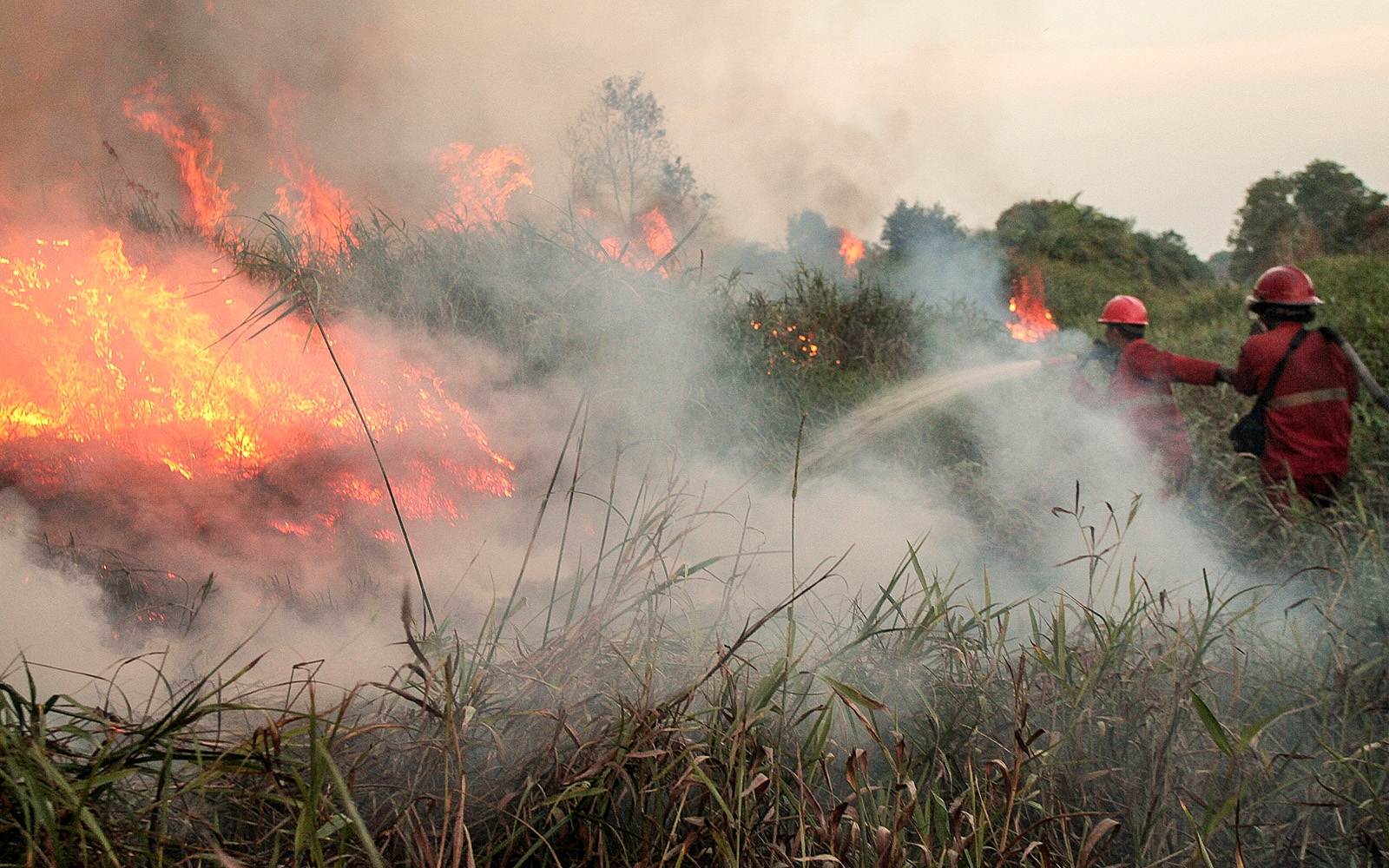
Minister of Natural Resources and Environmental Sustainability, Arthur Joseph Kurup, emphasized that any new legislation targeting transboundary haze must take into account various critical factors, such as effectiveness, diplomatic consequences, proof requirements, and enforcement feasibility. Kurup pointed out that enforcing transboundary laws presents significant challenges, particularly in gathering evidence, conducting investigations, and establishing laws beyond Malaysia's borders.
This response came during a parliamentary session where Khoo Poay Tiong questioned whether the government was reconsidering a proposed Transboundary Haze Act or enacting a Clean Air Act, following a recent emergency declaration in Serian, Sarawak. Kurup noted that transboundary haze exacerbates due to climate variability, prolonged dry spells, and certain agricultural methods.
The ministry, under Kurup's leadership, is reportedly drafting specific legislation akin to Singapore's approach, which reportedly has a Clean Air Act that enables legal action against companies whose actions outside Singapore contribute to haze in the country. Additionally, the Human Rights Commission of Malaysia recently urged the government to enact a Clean Air Act to set legally binding air quality standards and safeguard public health, echoing the US's Clean Air Act from 1963, which aimed to control air pollution and protect public health and the environment.
Written by urgent.news from Free Malaysia Today's reporting — not their text. Machine-written — may contain errors; check the original before relying on it.
This story
This is one outlet's version. Read the fullest account.
- Transboundary haze law must take into consideration several factors, says minister freemalaysiatoday.com