The pope has a lung nodule. What does this mean? And what's the risk of cancer?
Pope Leo will undergo surgery in the coming days to remove a lung nodule that was detected during a routine checkup. The 71-year-old said the growth was "well contained" and spotted early.

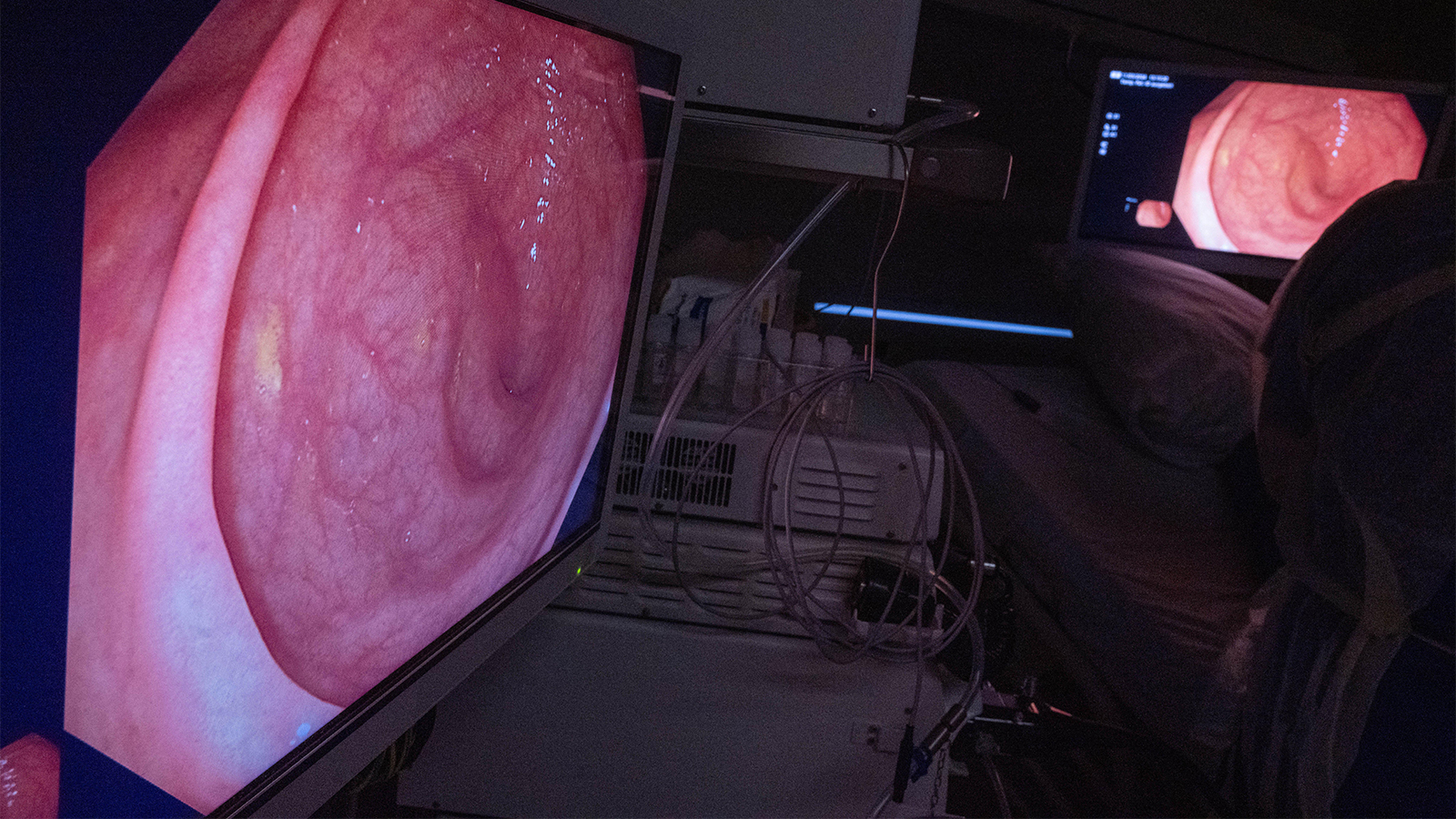
On this day, Pope Leo will undergo surgery to remove a lung nodule discovered during a routine medical examination. The 71-year-old stated the growth was contained well and detected early. Lung nodules, small growths in the lungs' spongy tissue, are typically no larger than 3 centimeters. They can be round or irregular and are usually identified through chest imaging like X-rays or CT scans.
Many people, especially those with a higher risk of cancer, undergo screening for lung nodules, while others are detected incidentally during unrelated scans. Lung nodules are quite common, with 37.7% of women and 47.5% of men in a Dutch study having at least one nodule. In the United States, 31% of chest CT scans reveal lung nodules, and Australian research suggests up to 50% of screened individuals may have nodules, most of which are benign.
Factors such as age, smoking history, family history of lung cancer, and exposure to asbestos increase the likelihood of having lung nodules. However, 95% of them are benign, caused by factors like infections, immune diseases, or genetic abnormalities. The remaining 5% may be early-stage lung cancer. Clinicians assess the risk of cancer by considering the nodule's size, density, location, the patient's age, smoking status, and family history.
They also review previous imaging to detect any changes in size or characteristics. In some cases, a biopsy may be performed to confirm the nodule's nature. If the nodule is cancerous, it may be surgically removed. The risk of cancer recurrence after removal depends on the specific type of lung cancer diagnosed. Early-stage non-small cell lung cancer has a recurrence risk of 6%–10% within the first four years and 2% per year thereafter.
The risk of developing new lung cancer remains at 3%–6% over time. Lung cancer is the deadliest form of cancer in Australia, often detected at a late stage when treatment is challenging. The new National Lung Cancer Screening Program aims to detect lung cancer early in high-risk individuals.
Written by urgent.news from Medical Xpress's reporting — not their text. Machine-written — may contain errors; check the original before relying on it.
This story
This is one outlet's version. Read the fullest account.
- The pope has a lung nodule. What does this mean? And what’s the risk of cancer? theconversation.com