The neural code at 100
In two 1926 articles, Edgar Douglas Adrian revealed that neurons communicate through trains of spikes.
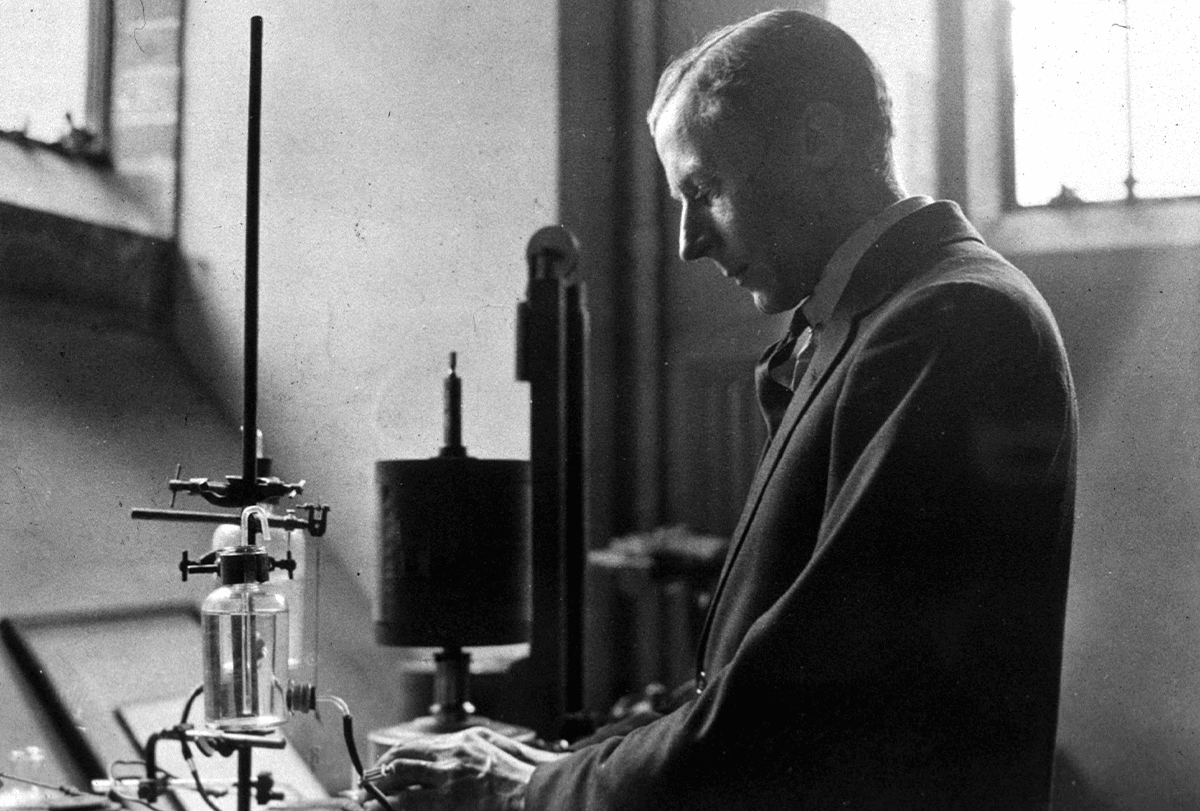
In 1926, Edgar Douglas Adrian and Yngve Zotterman made a groundbreaking discovery that would forever change our understanding of how neurons communicate. Adrian, a seasoned neurophysiologist, and Zotterman, a young trainee, were working in a Cambridge basement when they observed neurons transmitting information through trains of spikes.
This revelation, described as the "great secret of life," marked the birth of the neural code. The concept of an all-or-none response, first noted by Adrian and his mentor Keith Lucas, had hinted at the presence of these spikes, but it wasn't until Adrian's application of a vacuum valve amplifier that the true nature of these electrical signals became apparent.
Initially, the amplifier's output appeared random, but Adrian soon realized these fluctuations were, in fact, sensory impulses sent by muscle spindles, indicating the muscle's state of stretch. Zotterman's meticulous dissection later revealed that these spikes were emitted by individual axons, each carrying a unique spike train that encoded specific information.
This discovery, published in two papers in 1926, was met with immediate recognition, earning Adrian a Nobel Prize six years later. The neural code, a sequence of spikes varying in frequency and duration, is now recognized as the fundamental language of neurons, transmitting precise information about the quantity of interest with changes in spike frequency rather than amplitude.
Despite the cryptic appearance of the original recordings due to the limitations of the capillary electrometer used at the time, the discovery of the neural code has profoundly shifted our focus from the physical properties of nerves to the abstract message they transmit.
Written by urgent.news from The Transmitter's reporting — not their text. Machine-written — may contain errors; check the original before relying on it.