The Missing Interface in AI-Generated Animation Is seek(t)
A deterministic seek(t) interface makes AI-authored animation reproducible, testable, and easier to edit, whether written by Opus 5.5 or another coding model.
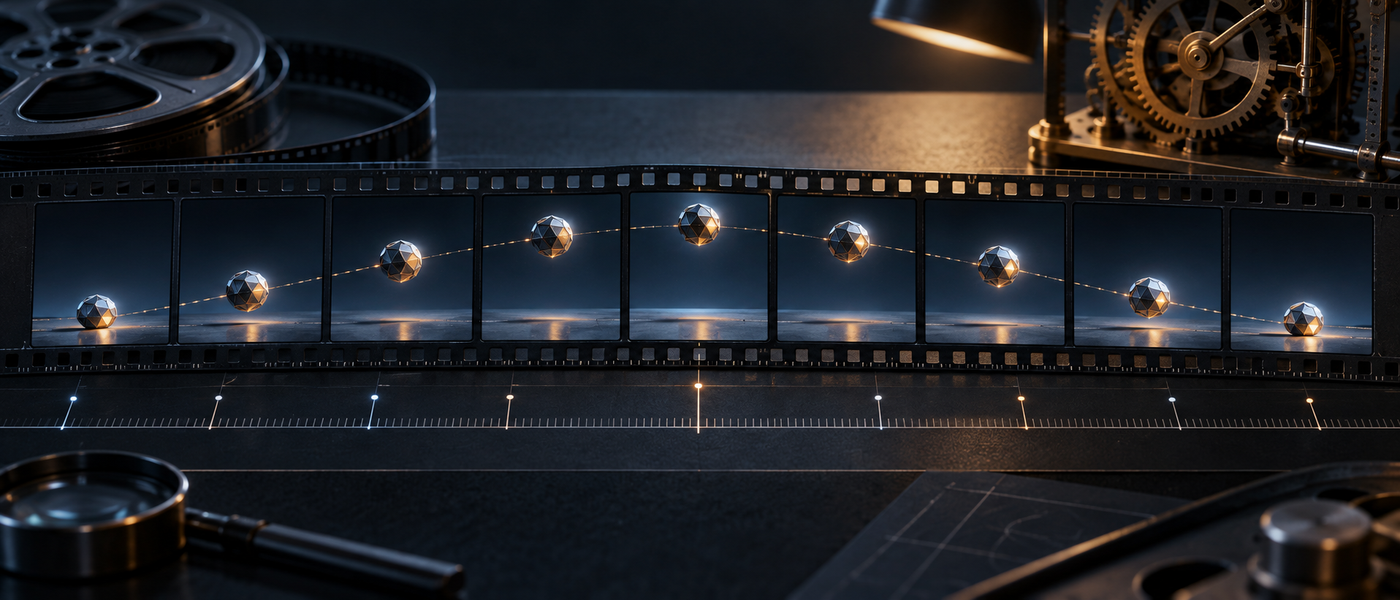
A deterministic scene contract is crucial for AI-generated animation, regardless of whether a language model "made a video" or merely wrote code for a scene that a renderer then turned into frames. The key contract is a function, seek(t), which returns the frame that belongs at time t. This allows for reliable export and jumping to any timestamp.
To implement this, the model should generate a self-contained HTML scene with a declared duration and an asynchronous seek function that clears the canvas, calculates the state for a given time, and draws it. The renderer should own the frame rate, awaiting completion before taking a screenshot. The scene should be tested by calling seek(t) twice and comparing the resulting frames.
The example provided uses functions of time rather than accumulated mutations to control motion, ensuring repeatability and avoiding issues related to randomness or autonomous animation loops.
Written by urgent.news from HackerNoon's reporting — not their text. Machine-written — may contain errors; check the original before relying on it.