The fall mowing mistake you might be making right now — and what’s right for your lawn
Should you adjust your mower height in fall? Here’s how to get it right.
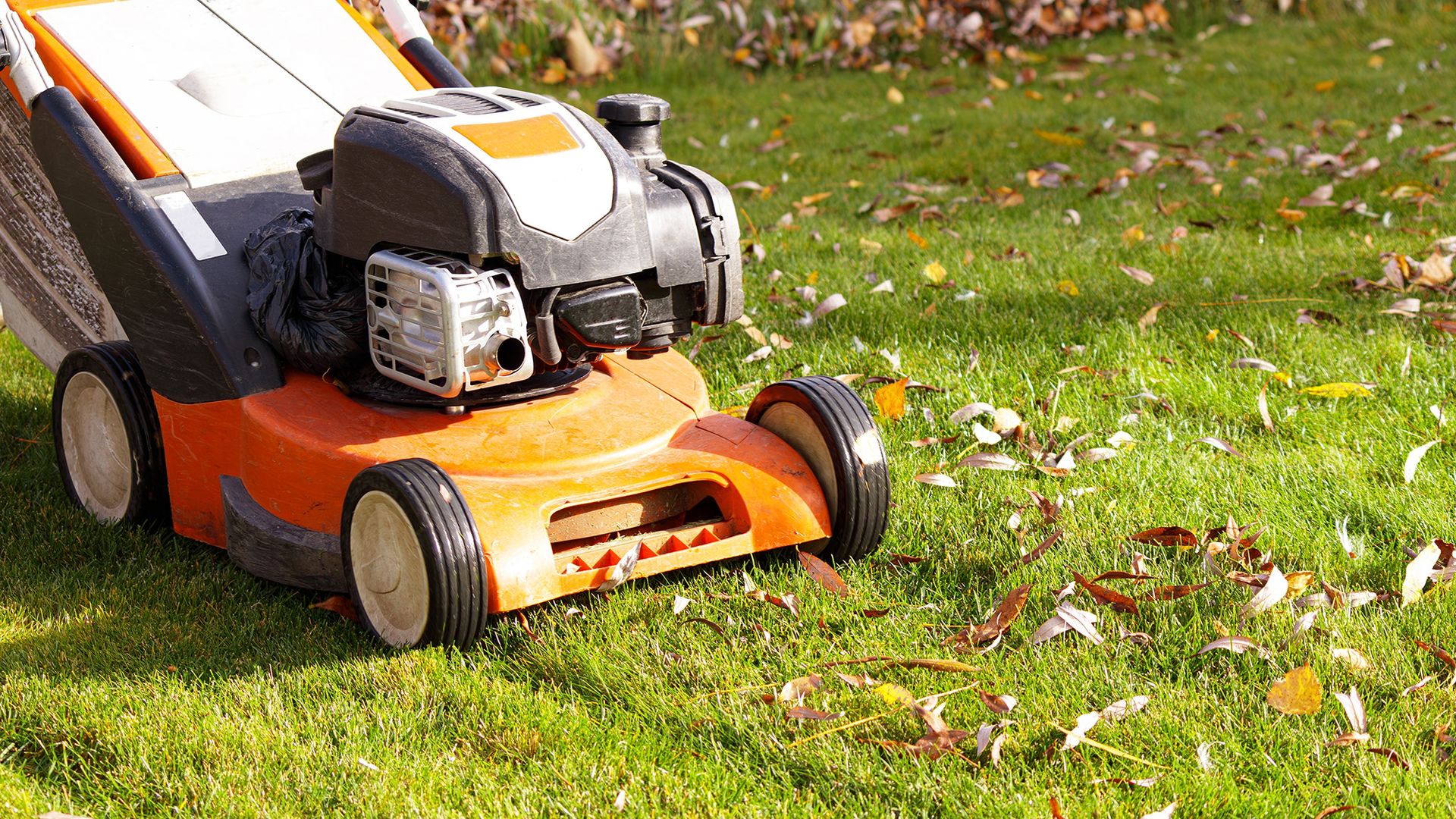
As autumn approaches, your lawn undergoes changes, necessitating adjustments to your lawn care routine. A crucial aspect of fall lawn care is adjusting your lawn mower's height. Contrary to the recommendations for spring and summer, lowering the blade slightly in the fall can significantly impact your lawn's health and growth for the upcoming spring.
However, this adjustment applies only to warm-season grasses such as Bermuda, Zoysia, and St. Augustine. These grasses enter a dormant phase as temperatures drop, and lowering the mower blade before this dormancy sets in can help prevent issues like thatch buildup, weed growth, and diseases like snow mold. On the other hand, cool-season grasses, including Kentucky bluegrass, tall fescue, and perennial ryegrass, remain actively growing during the fall.
Keeping the blades taller for these grasses promotes root development, enabling the turf to store energy for winter and establish itself for a healthy spring growth. Overcutting your grass can be detrimental, even if it appears to be growing vigorously. The one-third rule serves as a guideline: avoid removing more than one-third of the grass blade during a single mowing session.
Scalping your lawn by cutting it too short can weaken the root system and hinder the plant's ability to store energy for winter, leading to a longer recovery period in the spring.
Written by urgent.news from Tom's Guide's reporting — not their text. Machine-written — may contain errors; check the original before relying on it.