Takaichi's fiscal shift faces market test
JAPANESE Prime Minister Sanae Takaichi’s administration is ramping up efforts to shed its growth and easy money image through changes in rhetoric, a move that may backfire unless it is met with action such as substantial cuts to spending.
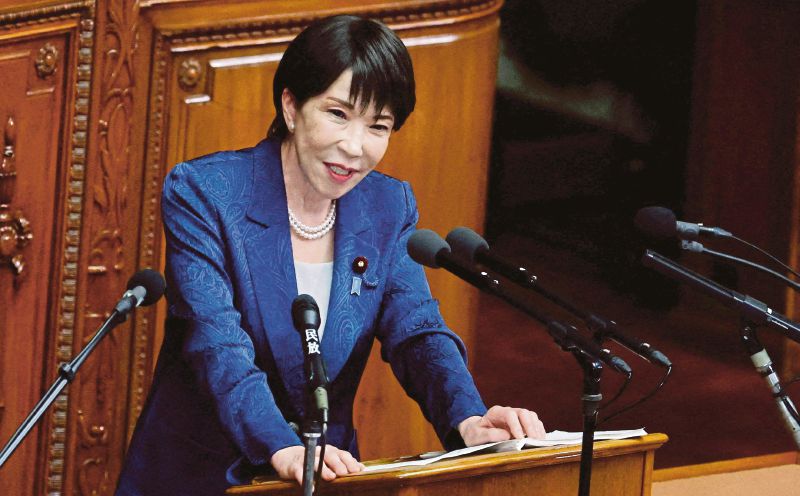
Japanese Prime Minister Sanae Takaichi's administration is intensifying efforts to distance itself from its reputation of promoting growth and easy money through changes in rhetoric, according to <source>. This shift may prove challenging unless accompanied by concrete actions such as significant reductions in spending. Major economies are under increased scrutiny from bond investors concerned about rising inflation and yields, which could trigger another bond selloff in Japan, given its massive US$7 trillion debt pile, the largest among advanced nations (<source>).
Takaichi has pledged to cap new debt issuance at around 40 trillion yen, despite spending requests for next year's budget hitting a record 143 trillion yen (<source>). A planned two-year sales tax cut would also cost roughly 4 trillion yen annually (<source>). The government aims to bridge the funding gap by tapping rising tax revenues and state funds, though analysts suggest this would still inject money into the economy and exacerbate inflationary pressures (<source>).
Markets are more interested in the substance of policy than mere words, according to Eiji Doke, chief bond strategist at SBI Securities (<source>). Takaichi's administration transitioned from a reflationist approach to focus on fiscal sustainability and responsible fiscal policy, in response to rising bond yields and concerns over increased debt issuance (<source>).
Finance Minister Satsuki Katayama led the shift in communication to reassure markets that Takaichi is not pursuing reflationary policies (<source>). The administration is emphasizing its spending plans aim to boost supply capacity rather than reignite growth, a subtle change from its earlier rhetoric (<source>). However, some analysts express skepticism about the administration's ability to back up its words with action, citing the risk of stimulating the economy and aggravating bond yield increases that could crowd out private investment (<source>).
Written by urgent.news from New Straits Times's reporting — not their text. Machine-written — may contain errors; check the original before relying on it.