Singapore working towards highest-level WHO recognition for vaccines, says health minister
OCTOBER 12 — After becoming among the first three national regulatory authorities to attain the World Health Organ...
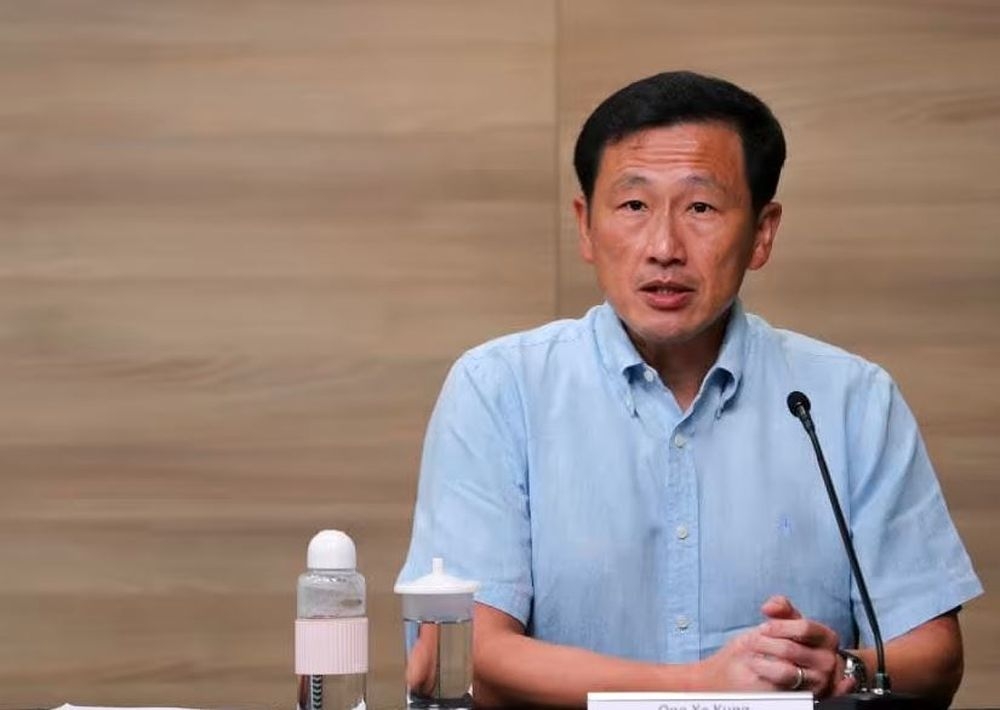
Singapore, in its pursuit of the highest-level World Health Organisation (WHO) recognition for vaccines, is actively working towards achieving the same status as it has for medicines regulatory systems since 2023. Health Minister Ong Ye Kung emphasized the importance of this goal for preventing, preparing, and responding to the ongoing pandemic. This effort comes in the wake of the Health Sciences Authority (HSA) passing a crucial bill on September 9, consolidating and establishing an integrated health regulatory function.
The integration aims to streamline licensing applications and inquiries, making information and responses more coordinated and clear for stakeholders. It also allows greater regulatory alignment across the research and clinical care continuum, ensuring that researchers and clinicians receive clearer and more consistent guidance.
The ministry highlighted the growing application of artificial intelligence (AI) in drug development, and HSA's commitment to building its capabilities and developing regulatory guidance for AI's use. Collaboration with the UK's Medicines and Healthcare products regulatory agency is underway to expedite patient access to breakthrough therapies, including those utilizing AI for drug development and clinical trials.
Singapore is positioning itself as a trusted gateway to larger markets, aiming to become a more attractive place for clinical research and evidence generation. The Health Sciences Authority, in collaboration with the Singapore Economic Development Board and the Singapore Clinical Research Institute, is developing a joint initiative to coordinate a common entry point for clinical research and regulatory engagement.
This effort aims to provide clinical trial sponsors with earlier regulatory consultation, clearer advice on clinical-development strategies, and support in identifying investigators and coordinating trial sites. Approval timelines for certain lower-risk phase three clinical trials may be reduced from 30 days to 15 days. Ong Ye Kung emphasized Singapore's ambition to become one of the region's most efficient and trusted locations for clinical research and evidence generation, fostering deeper collaboration between industry, researchers, and healthcare institutions.
Written by urgent.news from Malay Mail's reporting — not their text. Machine-written — may contain errors; check the original before relying on it.