SBP Earns Billions From Bank Fines
The State Bank of Pakistan (SBP) imposed Rs. 1.58 billion in penalties on banks and financial institutions during FY26 for … Read More The post SBP Earns Billions From Bank Fines appeared first on ProPakistani .

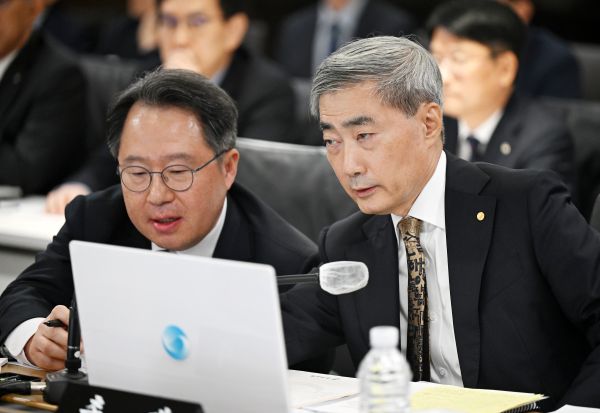
During the fiscal year 2026, the State Bank of Pakistan (SBP) imposed fines totaling Rs. 1.58 billion on banks and financial institutions for breaking regulatory guidelines. However, the details of the fined institutions and their specific violations remain undisclosed. The most common areas of non-compliance included foreign exchange regulations, customer due diligence, Know Your Customer (KYC) procedures, anti-money laundering and counter-terrorism financing rules, and general banking operations.
In the past, SBP had reported such enforcement actions on a quarterly basis, specifying the offending banks, outlining the violations, and outlining corrective actions. Yet, the central bank recently stopped sharing these specifics on its website, reducing public access to information about regulatory infringements in the banking industry.
This decision coincides with ongoing complaints about banking services, with consumers still expressing dissatisfaction over service quality, and there is no publicly available benchmark akin to the service-quality framework implemented by the Pakistan Telecommunication Authority for the telecom industry. Furthermore, concerns remain over how effectively banks are regulated for overcharging, denying services to customers, and other service-related problems.
The absence of a clear public mechanism to evaluate service quality has exacerbated consumer protection concerns. In the previous fiscal year, 2025, the SBP imposed penalties exceeding Rs. 2 billion on banks for regulatory breaches and compliance failures. The revenue generated from these penalties contributes to the central bank's income.
Additionally, in FY26, the SBP earned more than Rs. 1.9 billion from licensing and operational fees charged to financial institutions, which represents a 40% increase compared to the previous year.
Written by urgent.news from ProPakistani's reporting — not their text. Machine-written — may contain errors; check the original before relying on it.