Saudi Arabia Reportedly Running Low On Interceptor Missiles As Houthi Attacks Threaten Oil Exports And Economy
Saudi Arabia is reportedly facing a shortage of interceptor missiles as continued attacks by Iran-backed Houthi militants in Yemen threaten the kingdom’s air defences, oil exports and economic ambitions. The escalating conflict has raised concerns over the security of Saudi Arabia’s critical infrastructure, including airports and oil facilities, while also threatening its plans to develop travel…
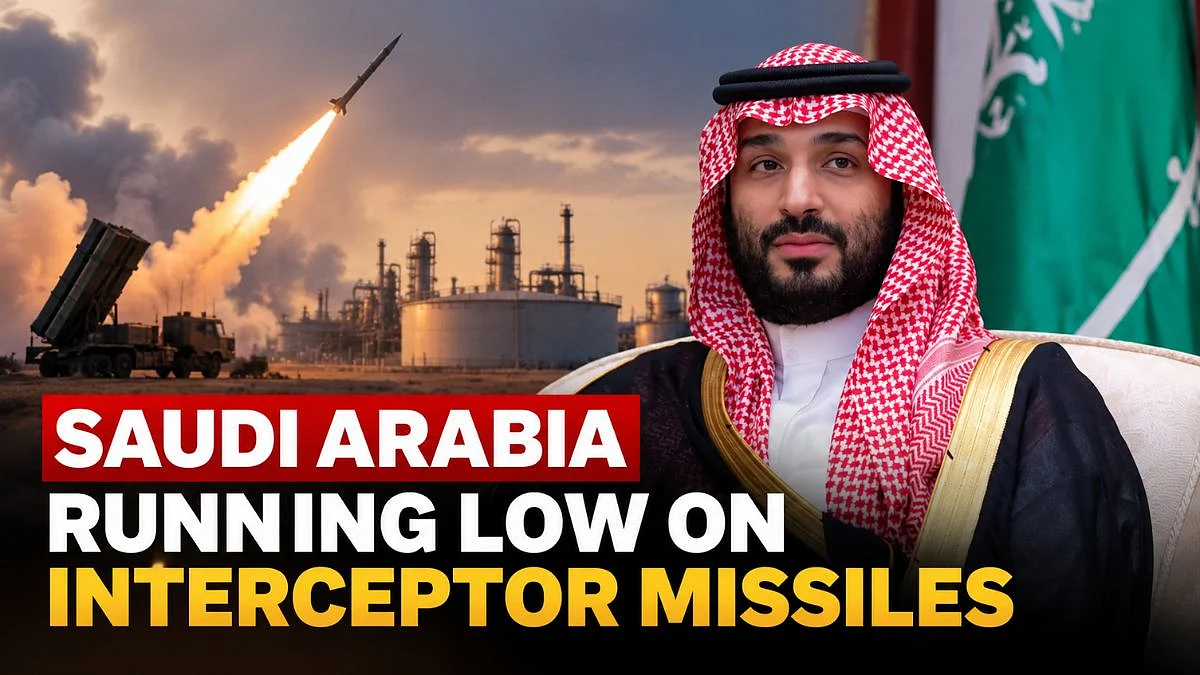
Saudi Arabia is grappling with a shortage of interceptor missiles as Houthi attacks targeting air defenses, oil exports and the economy continue. The ongoing conflict has raised worries about the security of Saudi Arabia's vital infrastructure including airports and oil facilities, as well as its plans to grow travel and tourism.
Initially, Saudi Arabia seemed better equipped to handle disruptions since its pipeline infrastructure bypassed the Strait of Hormuz. However, the escalation of Houthi attacks has exposed weaknesses in the nation's missile-defense systems and alternative oil export routes. The Iran-backed Houthi militants, who control parts of Yemen, have intensified assaults on Saudi infrastructure including airports and energy sites.
The attacks have reached the Saudi capital, Riyadh, located over 500 miles from Houthi controlled areas. On October 10, an attack on King Khalid International Airport in Riyadh claimed 13 lives and injured hundreds, sparking concerns about the safety of civilian facilities and global air travel. An attack on Thursday resulted in debris from a ballistic missile hitting a kindergarten and a medical clinic complex.
The threats have put extra strain on Saudi Arabia's air defenses at a moment when the kingdom is reportedly running low on interceptor missiles to counter further strikes. Houthi military spokesperson Brigadier General Yahya Saree has warned international airlines, businesses, and travelers against flying to Saudi airports, stating that the facilities are unsafe – except for airports serving Mecca and Medina.
This warning comes after repeated assaults on Saudi aviation infrastructure, including strikes on King Khalid International Airport and Abha International Airport on October 6 and 7, which killed three people and injured 36. Authorities have temporarily halted operations at King Khalid International Airport to evaluate the damage and conduct safety inspections.
The death toll from the October 10 attack on King Khalid International Airport rose to 13 after the Indian Embassy in Riyadh confirmed an Indian national injured in the incident died. The Embassy expressed condolences to the family and assured them of support for the repatriation of mortal remains. Saudi intelligence believes Tehran is pressuring the Houthis to join the war, but some officials think the militants will decide based on their own interests.
The reported shortage of interceptor missiles, coupled with ongoing threats to airports, oil infrastructure and shipping routes, has heightened worries over Saudi Arabia's security and economic stability.
Written by urgent.news from Free Press Journal's reporting — not their text. Machine-written — may contain errors; check the original before relying on it.