Saudi Arabia faces challenge of repeated and simultaneous attacks
Houthi attacks on Saudi Arabia have demonstrated that its build-up of batteries of air defence must stretch to all corners of the country. Saudi Arabia is the world’s second-largest Patriot operator, said Nawaf Obaid of King’s College London’s Department of War Studies. “Saudi Arabia does not lack air defences,” he told The National . “It possesses one of the world’s most sophisticated integrated…
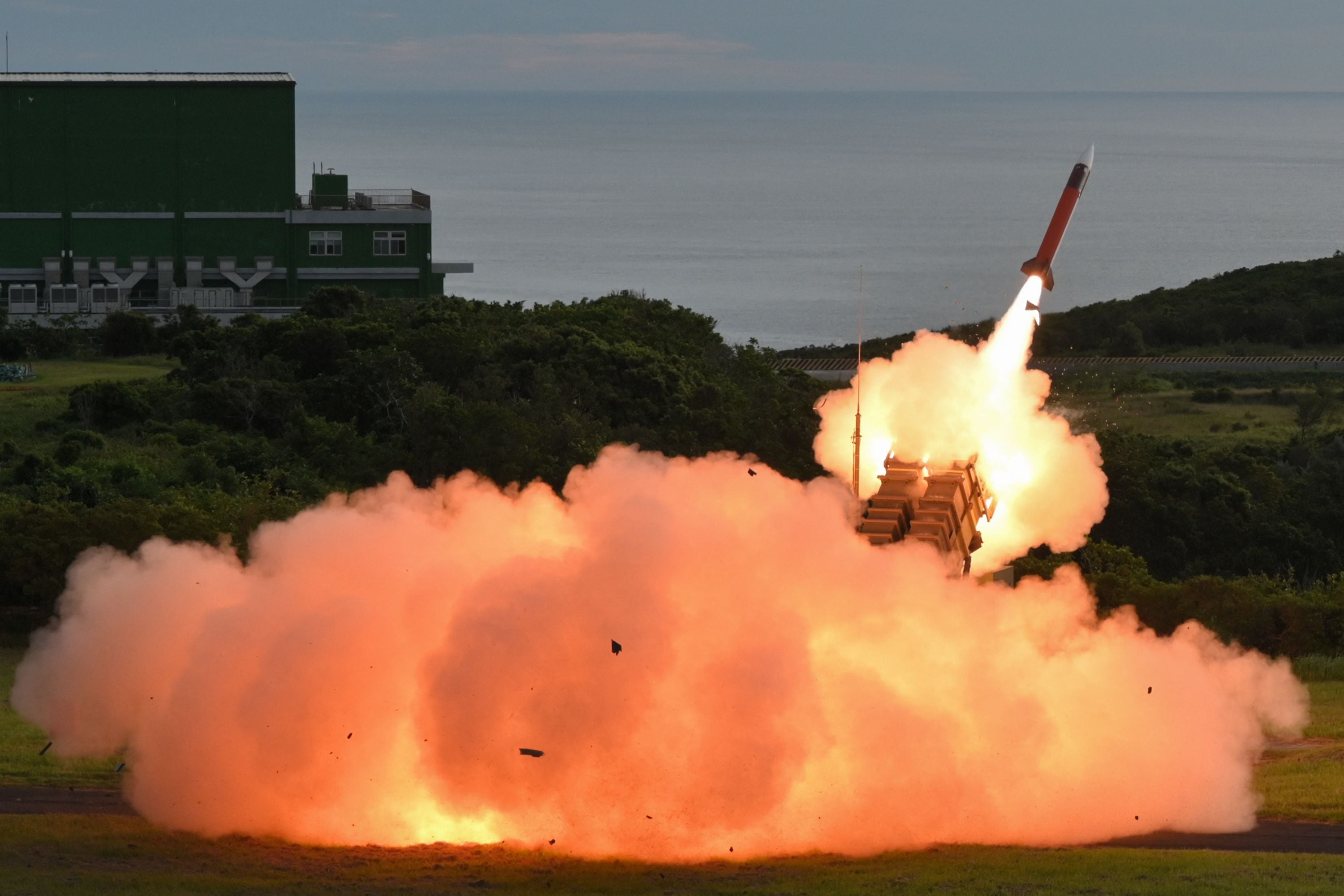
Saudi Arabia is grappling with the challenge of defending against simultaneous attacks using a variety of weapons, including ballistic missiles, cruise missiles, and drones. The country, which holds the second-largest number of Patriot missiles globally, has an extensive air-defence system, yet experts warn that these systems may not be sufficient to intercept multiple attacks at once.
The recent attack on King Khalid International Airport, which killed 13 people and wounded 308 others, highlights the vulnerability of such facilities. Despite having a robust air-defence system, Saudi Arabia has had to make significant sacrifices in its interceptor expenditure, causing a shortage of stocks that affects its allies as well.
The Houthis, who are believed to have launched the attack, have improved their arsenal with manoeuvring ballistic missiles, making interception more difficult. The US has expended an estimated 1,500 Patriots, with only about 800 remaining. Saudi Arabia, with more than 1,800 Patriot interceptors, has used many of them to defend itself.
The UK, which has contributed with its Sky Sabre system, has also faced frustration from Saudi Arabia over the lack of ministerial approval for additional defensive support. Saudi Arabia's vast infrastructure and considerable resources force its commanders to make difficult decisions about where to position radars and interceptors, leaving other critical areas potentially exposed.
Improving intelligence and attacking missile launchers before they fire could be a viable response, but replenishing stocks of interceptors could take up to 30 months.
Rewritten by urgent.news; may contain errors — check the original.
Sources: saudigazette.com.sa · english.ajel.sa · gulfnews.com · thenationalnews.com · middleeasteye.net · france24.com
This story
This is one outlet's version. Read the fullest account.
- Saudi Arabia faces challenge of repeated and simultaneous attacks thenationalnews.com
- FMs of UK, Bahrain call Prince Faisal to reaffirm solidarity with Saudi Arabia saudigazette.com.sa
- Saudi Arabia extends Riyadh aiport suspension, vows deadly response to Houthis strikes france24.com
- Riyadh attack: US warns after Americans detained over filming missile and drone sites in Saudi Arabia gulfnews.com
- UK considers further support to Saudi Arabia, Burnham says middleeasteye.net
- Jordan’s King condemns Houthi attacks on Saudi Arabia in call with crown prince english.ajel.sa