RBI Steps In As Rupee Nears Record Low, Know- What Are The New Forex Rules & How Will They Impact The Currency?
Mumbai: The Reserve Bank of India (RBI) has announced measures to support the rupee as the domestic currency faces pressure from foreign capital outflows, rising crude oil prices and strong dollar demand. The central bank has tightened foreign exchange derivative rules and introduced a special dollar facility for state-owned oil marketing companies to reduce pressure on the currency market. Rupee…
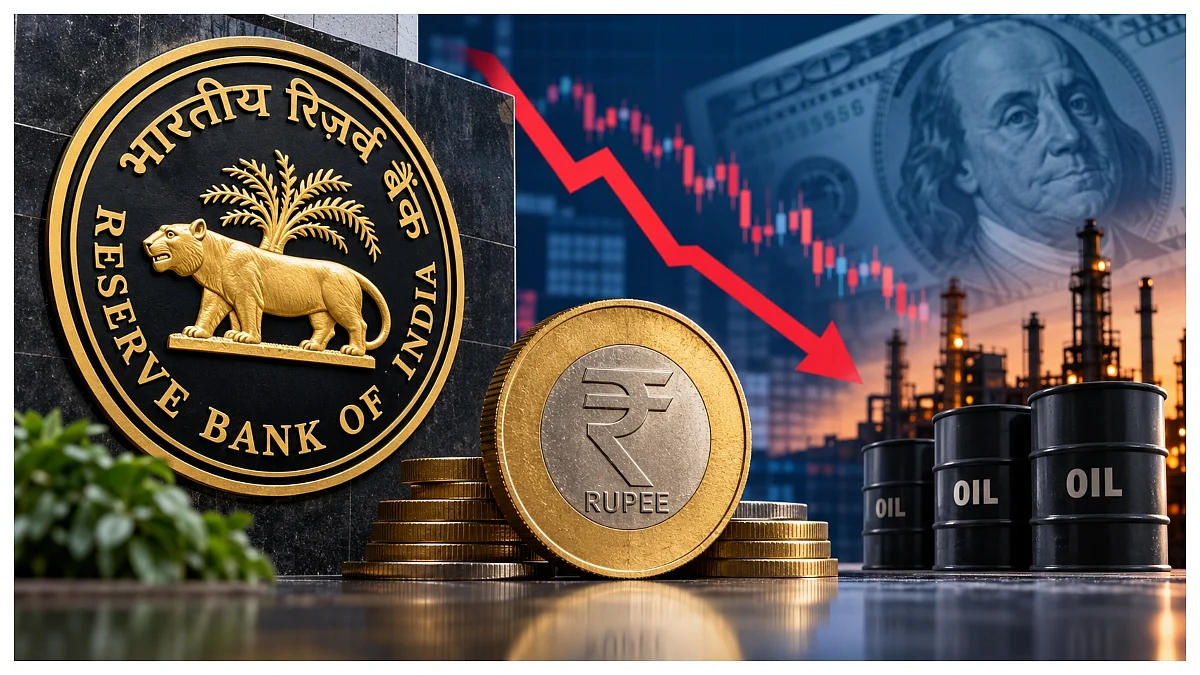
Mumbai: In response to the rupee nearing a record low, the Reserve Bank of India (RBI) has taken steps to stabilize the domestic currency. The central bank has implemented stricter rules for foreign exchange derivatives and introduced a specialized dollar facility for state-owned oil companies. The rupee closed at 96.73 against the US dollar on Friday, inching closer to its all-time intraday low of 96.96 in May.
This depreciation marks nearly a 7 percent decline this year, placing the rupee among Asia's worst-performing currencies. RBI's Latest Moves The RBI's actions aim to bolster market discipline, enhance risk management, and maintain orderly foreign exchange trading. To enforce these reforms, the central bank has instituted a 20 percent Foreign Exchange Risk Reserve (FERR) requirement for derivative transactions above USD 2 million.
Authorized dealers must hold cash equal to 20 percent of the rupee value of such deals. Additionally, the RBI has lowered the threshold for forex derivative trades without underlying exposure from USD 100 million to USD 5 million. Furthermore, canceled rupee derivatives cannot be rebooked, although rollovers at maturity remain allowed.
Support for Oil Firms The RBI has also established a unique dollar window to address the dollar requirements of India's major oil marketing companies - Indian Oil Corporation, Bharat Petroleum Corporation, and Hindustan Petroleum Corporation. This facility allows the central bank to supply dollars through designated banks, mitigating demand in the open forex market.
The arrangement is expected to last indefinitely. Market Impact and Future Outlook Bankers anticipate that the RBI's measures will curb speculative dollar demand and stabilize the rupee upon the market's reopening on Monday. However, the 20 percent reserve requirement might escalate hedging costs for importers and strain their working capital.
The decline in forward premiums and weakening demand for dollar hedging could also affect the rupee's recovery prospects. The sustainability of any rupee rebound hinges on factors such as crude oil prices, foreign investment flows, and global currency trends.
Written by urgent.news from Free Press Journal's reporting — not their text. Machine-written — may contain errors; check the original before relying on it.