Protest vs public order: How far can police go to prevent ‘trouble’?
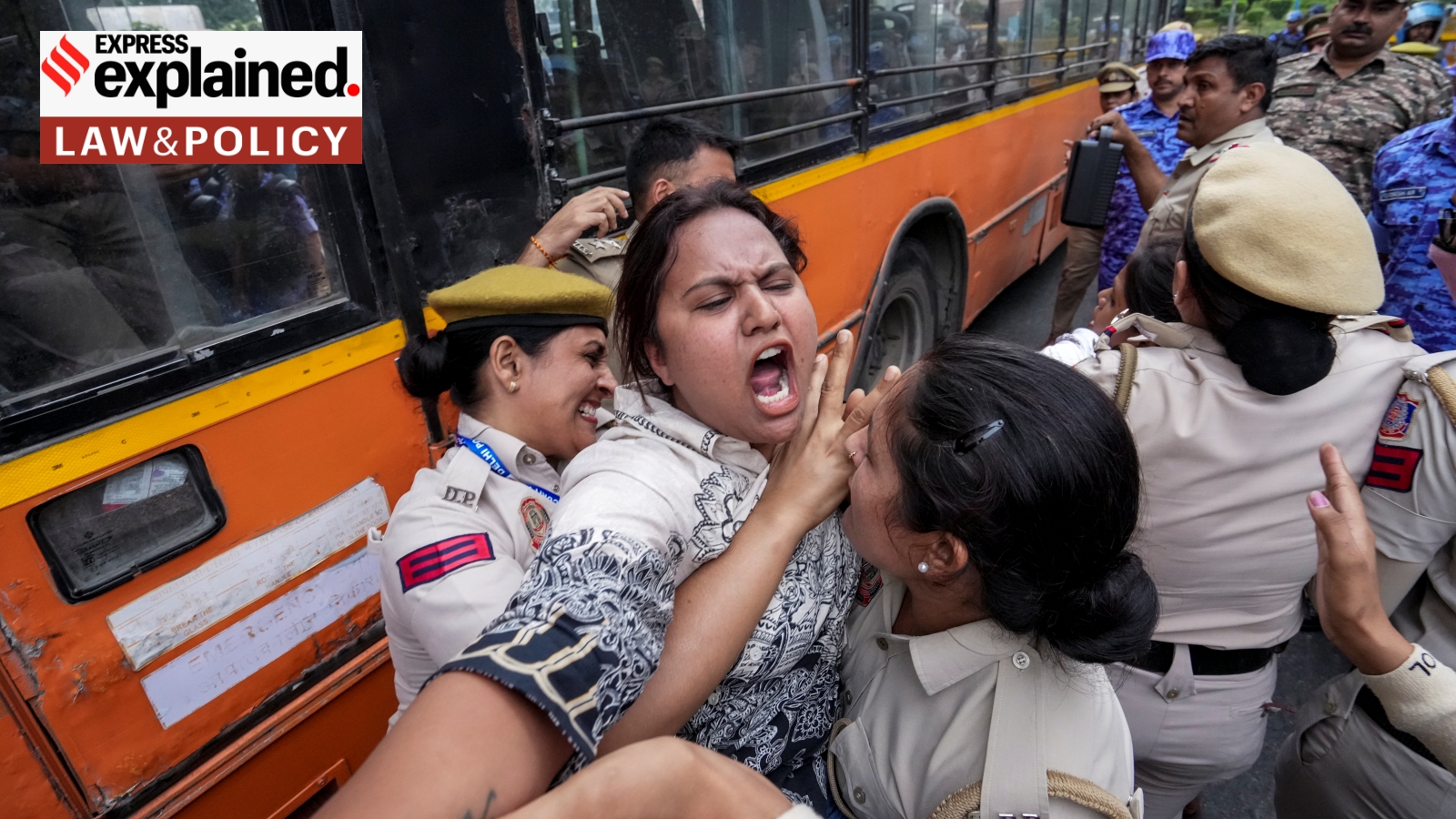
The sweeping restrictions imposed in Delhi have reignited an old constitutional tension surrounding the balance between the right to free speech and peaceful assembly and the police's authority to prevent disruptions. While the Constitution guarantees citizens the right to speech and assembly, these rights are not absolute, and police are permitted to act preventively in certain circumstances.
The key legal distinction lies in whether a gathering is peaceful or has begun moving towards restricted areas. Even if a protest is peaceful, if protesters move from a permitted location like Jantar Mantar towards Parliament, they have breached the conditions under which their assembly was authorized. While the Supreme Court has recognized the State's power to regulate public assemblies on streets, this power cannot be exercised arbitrarily to prohibit all assemblies.
The Supreme Court has consistently ruled that proportionality is essential when balancing the rights of protesters against those of residents and commuters. Legitimate preventive policing is supported by law, and police can take past conduct and intelligence into account when considering permission for future protests. However, the Court has emphasized that preventive action must be based on a genuine threat and must strike a balance between security concerns and the protection of fundamental rights.
Written by urgent.news from The Indian Express's reporting — not their text. Machine-written — may contain errors; check the original before relying on it.