Poor Ghanaians are being jailed because they cannot afford justice – Crime Check Foundation
The Executive Director of the Crime Check Foundation, Ibrahim Oppong Kwarteng, has criticised Ghana’s justice system, arguing that poverty is contributing to the imprisonment of people who cannot afford fines or adequate legal representation. “What we see at times is not justice. What we see is poverty on trial,” he said, recounting cases encountered by his organisation during more than a decade…
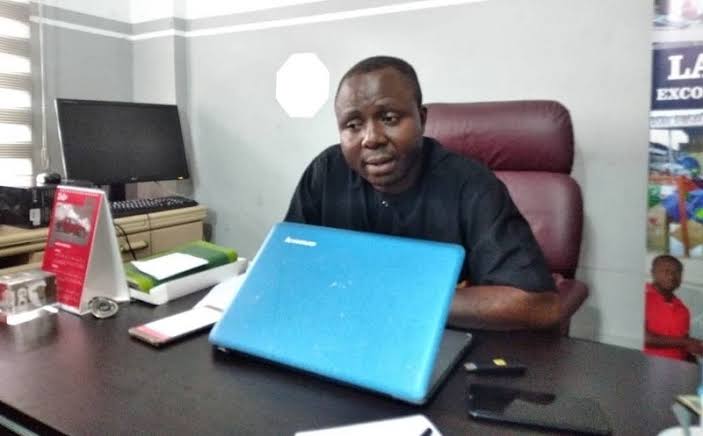
Ibrahim Oppong Kwarteng, the Executive Director of the Crime Check Foundation, has criticised Ghana’s justice system for penalising individuals who cannot afford fines or sufficient legal representation. According to him, some cases are not about crime but poverty. Kwarteng recounted instances in his organisation’s decade-long work in Ghana’s prisons where people were jailed for financial reasons.
For example, a young mother was sentenced to two years in prison for not paying a GH¢300 fine stemming from a fight. Another case involved a 19-year-old who was imprisoned for stealing a bunch of plantains to feed his siblings. Additionally, a commercial transport vehicle assistant, or trotro mate, was jailed due to an inability to afford legal counsel. Kwarteng emphasized these cases highlight whether financial status influences someone's experience within the criminal justice system.
He questioned how the justice system could serve poor communities when many struggle to afford transportation to court or secure legal aid. The Legal Aid Commission, which offers legal advice and representation to those unable to afford private lawyers, currently has less than 40 lawyers nationwide. Kwarteng also questioned why someone could spend years on remand without legal representation, particularly when a case originally could have warranted only a few months of jail time with a lawyer.
His statements follow calls for increased resources for the Legal Aid Commission, which currently operates 45 offices across Ghana’s 261 districts. The Commission’s Board Chairman, Supreme Court Justice Samuel Kwame Asiedu Adibu, disclosed a need for approximately 180 additional staff to enhance its effectiveness. Kwarteng’s remarks join broader discussions about whether poverty, lack of legal representation, and delays in court proceedings hinder fair access to justice, advocating for stronger legal aid services and greater attention to the circumstances of those in custody.
Written by urgent.news from MyJoyOnline Ghana's reporting — not their text. Machine-written — may contain errors; check the original before relying on it.