OP-ED | Menstrual health is about more than giving girls menstrual products
Health-e News OP-ED | Menstrual health is about more than giving girls menstrual products Seventy-five percent of girl learners surveyed in I_Menstruate Movement’s Bleeding in Silence: Barriers to Menstrual Hygiene Among School Girls in South Africa research reported distress at menarche, their first menstruation. This finding highlights an often-overlooked dimension of menstrual health: the…
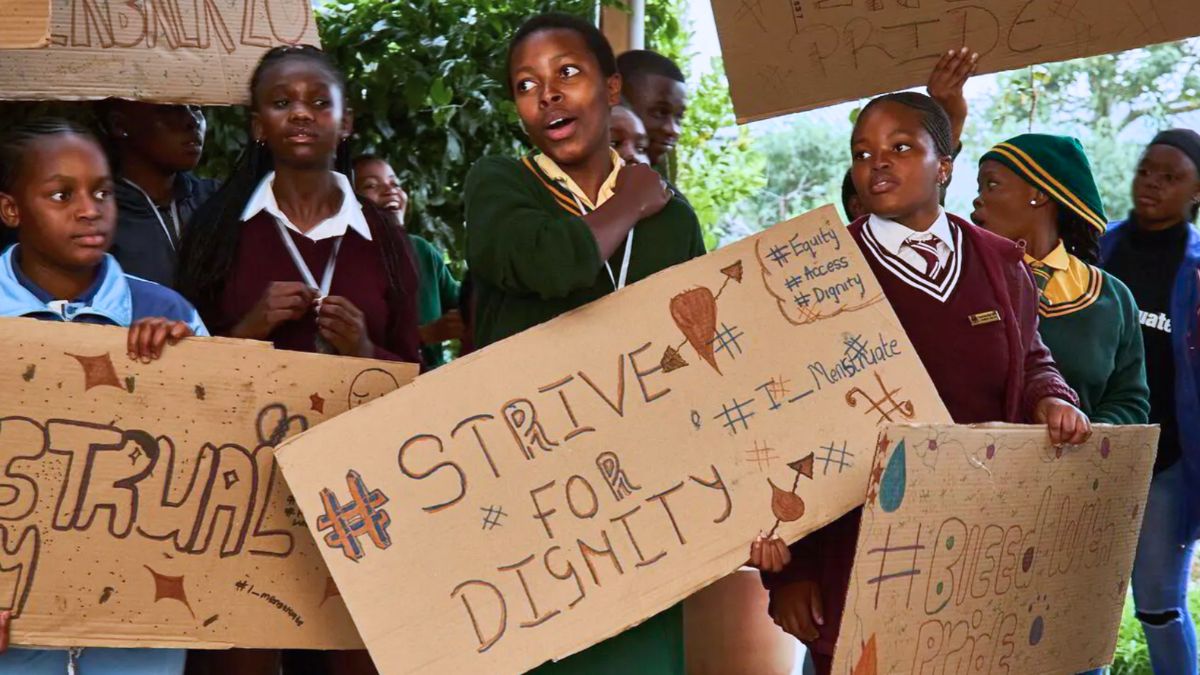
The I_Menstruate Movement's research reveals that 75% of surveyed South African girl learners experienced distress during their first menstruation, known as menarche. This highlights the emotional impact of menstruation, an aspect often overlooked in discussions about menstrual health. As the movement commemorates World Mental Health Day and the International Day of the Girl Child, it calls for urgent action to address systemic barriers that compromise girls' dignity, mental wellbeing, safety, and right to education.
The movement is participating in various forums to bring the experiences of South African schoolchildren to continental conversations on children's rights. Menstrual health goes beyond providing products; it encompasses access to clean water, safe toilets, accurate information, and emotional support. Stigma and lack of facilities can cause anxiety, shame, and exclusion, making it hard for girls to seek help or manage menstruation with dignity.
Governments must view menstrual health as a vital component of children's overall wellbeing, not just a health issue. The movement's Menstrual Health Equity Bill, shaped by children through a participatory process, emphasizes the need for girls to have a say in policy-making and implementation. The movement urges governments to invest in WASH facilities, menstrual product access, age-appropriate education, and supportive environments, backed by adequate funding and monitoring mechanisms.
Continental platforms like the African Committee of Experts on the Rights and Welfare of the Child (ACERWC) offer vital opportunities for civil society to raise children's voices and hold governments accountable. Ultimately, menstrual dignity is a fundamental children's rights issue that must be addressed and fulfilled, rather than expecting girls to adapt to inadequate systems.
Rewritten by urgent.news; may contain errors — check the original.
Sources: health-e.org.za · allafrica.com