Ode to Jantar Mantar: How Delhi's ‘marketplace of grievances’ brought dissent to doorstep of power
Located in central Delhi, close to Parliament, Jantar Mantar became one of India’s most recognisable venues for protests, sit-ins and hunger strikes since late 1980s.
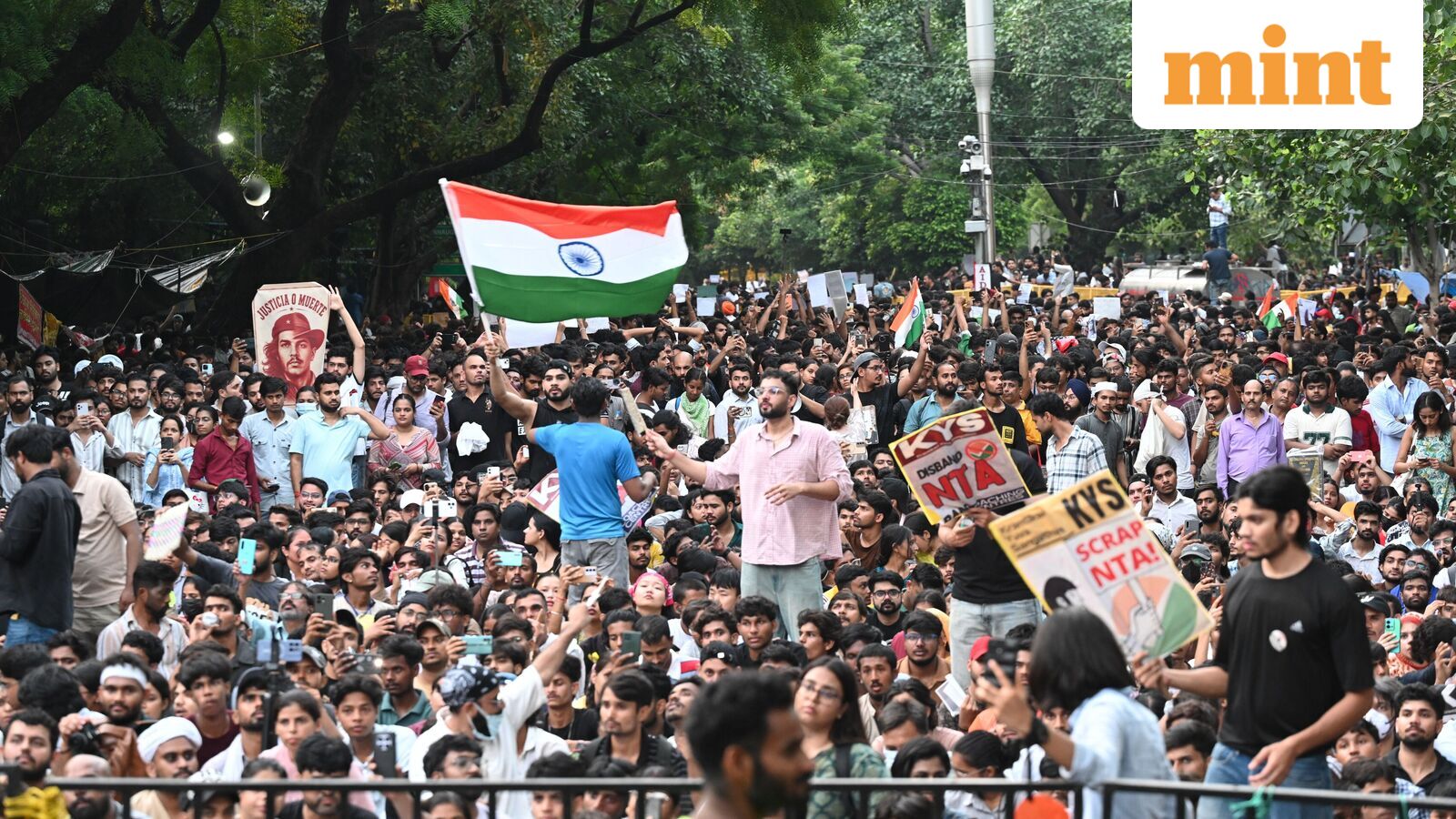
Delhi's Jantar Mantar, once the primary site for protests and demonstrations, is no longer the official gathering place. The Ministry of Home Affairs has designated three new venues in the city: Ramlila Ground, Burari Ground, and CBD Ground. This change comes as opposition parties, civil society groups, and student organizations have been holding protests around the iconic observatory.
Its central location, less than two kilometers from Parliament and key government offices, allowed protesters to bring their grievances within sight of political power. Jantar Mantar became significant in the 1980s when protests were held there, marking a shift from the Boat Club where farmers had gathered in 1988. The venue was officially designated in 1993, making it a central hub for public dissent.
Its importance lies not only in its geography but also in the platform it provided to citizens, farmers, workers, students, and political groups to make their concerns visible and influence public debate.
Written by urgent.news from Live Mint's reporting — not their text. Machine-written — may contain errors; check the original before relying on it.