Now’s the best time to be a beginner photographer for over 20 years, as the arrival of so many low-tech cameras means there is more choice than ever
I believe absolute beginners have never had it so good when it comes to getting into photography. Here’s why…
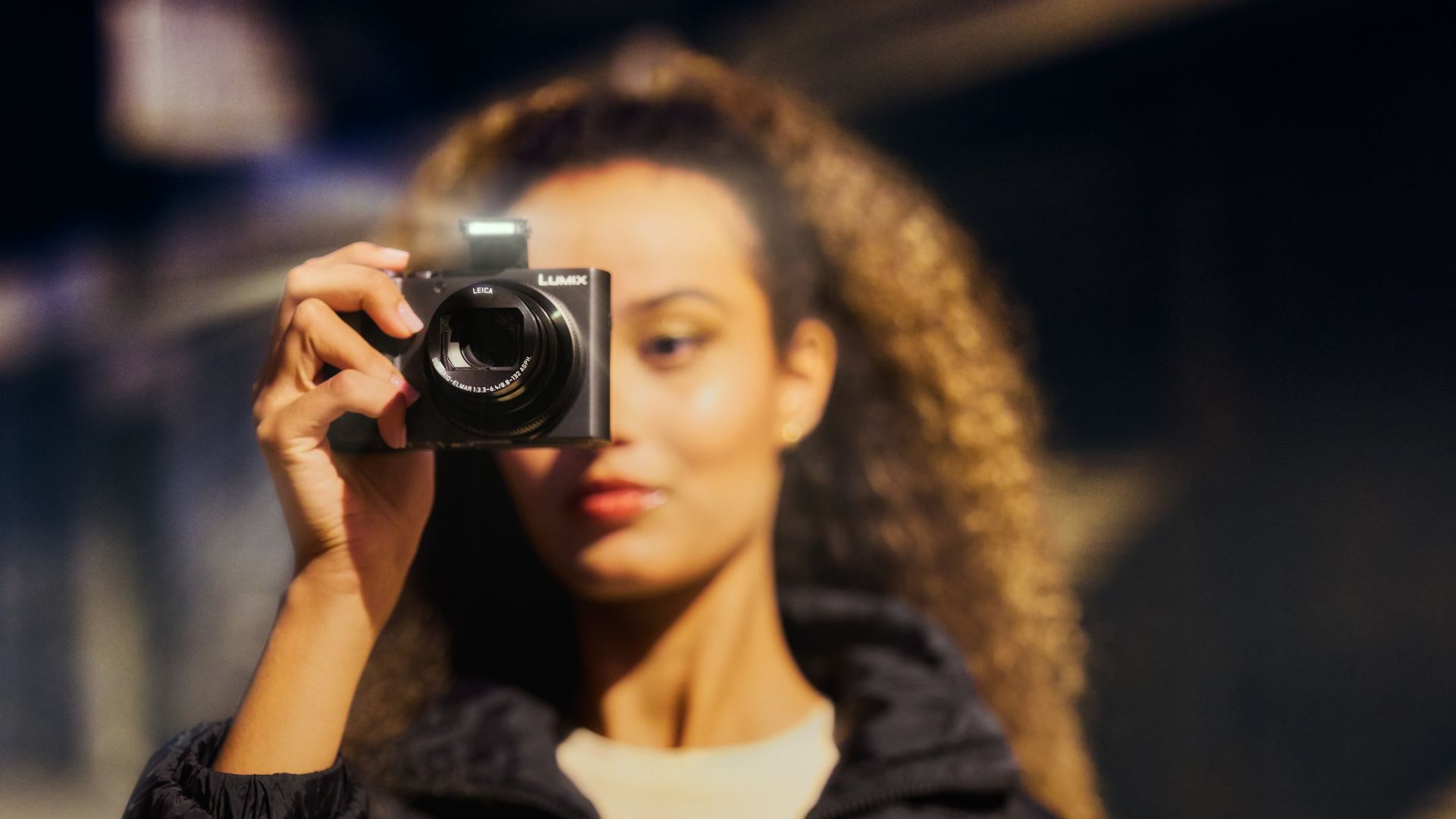
For over two decades, aspiring photographers have had a wealth of options to choose from, as the arrival of numerous low-tech cameras has significantly increased the variety of tools available to novices. With many young people abandoning their smartphones and embracing traditional photography, particularly with renewed enthusiasm since the digital revolution in the 2000s, now represents an ideal time to embark on the journey of photography.
The key reason behind this abundance of choices lies in the sheer volume and diversity of cameras available. Budget-conscious individuals or those in need of gifts can find standalone digital cameras from brands such as Kodak, Camp Snap, Chuzhao, and Yashica, as well as numerous "no brand" options flooding Amazon. Additionally, the market is filled with equally accessible entry-level instant print cameras from Polaroid, Fujifilm Instax, and Lomography, some of which can function as both digital cameras and instant printers.
Moreover, the availability of second-hand cameras in photo specialist retailers and through the worldwide marketplace of eBay further expands the options for beginners.
Another advantage for those exploring their options is the presence of "proper" cameras offering greater accessibility and reliability, including AI-enhanced subject-recognizing autofocus. However, these cameras often come at a higher price point, creating a significant gap between budget-friendly options and more advanced models.
For instance, compact point-and-shoot cameras from Canon or Panasonic, like the PowerShot G7 X Mark III or Lumix TZ300 (also known as ZS300), respectively, are priced significantly higher than the more affordable alternatives. This price disparity also applies to popular models such as Ricoh's GRIV series, another excellent choice for newcomers to the hobby who may not yet be ready to embrace interchangeable lenses.
Despite these higher-priced options, the abundance of low-tech cameras on the market is unprecedented in the past two decades. While starting out with a toy-sized key fob camera might lead to a short-lived novelty, the sheer variety of affordable tools allows beginners to create images that stand out in a sea of AI-generated, glossy photographs.
This diversity not only benefits the users but also piques the interest of others, making such snapshots increasingly desirable. Ultimately, the decision to pursue photography as a hobby or profession rests not only on the selection of the right tools but also on the individual's vision and how best to communicate it.
Written by urgent.news from Digital Camera World's reporting — not their text. Machine-written — may contain errors; check the original before relying on it.